
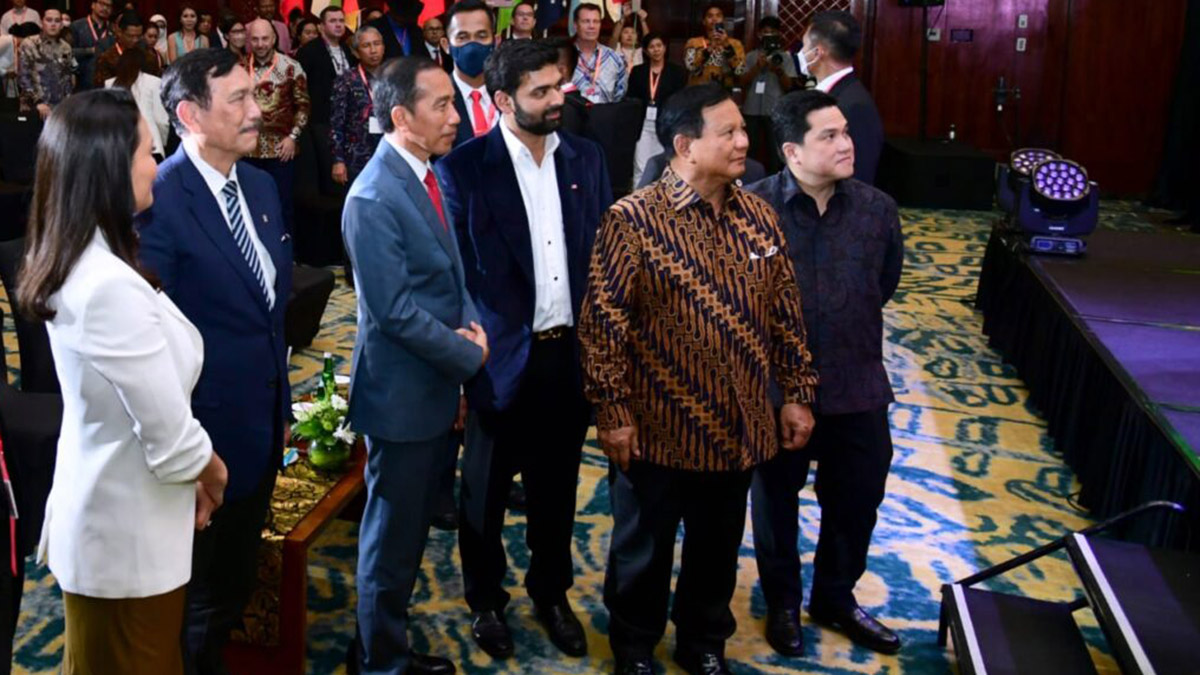
A startling case of international deception has emerged involving an Indian-origin man who allegedly posed as a Central Intelligence Agency (CIA) operative in an elaborate scheme aimed at influencing defence-related discussions and securing lucrative contracts linked to Indonesia’s political and defence establishment.
According to details emerging from investigative findings and official assessments, the accused allegedly crafted a false identity as an intelligence officer and attempted to leverage this fabricated persona to gain access to high-level officials and strategic defence networks in Indonesia. The impersonation reportedly extended to claims of close association with top U.S. intelligence circles, which he used to build credibility among his targets.
Authorities believe the man’s primary objective was to position himself as a key intermediary in potential defence procurement arrangements involving Indonesian institutions and international suppliers. By presenting himself as a CIA-linked figure, he allegedly sought to manipulate trust and create the impression of geopolitical backing for proposed agreements. 
Investigators suggest that the accused attempted to establish contacts within influential circles connected to Indonesia’s defence decision-making ecosystem, including individuals linked to senior political leadership. His narrative reportedly included references to supposed intelligence coordination and strategic partnerships that did not exist in reality.
The scheme began to unravel when inconsistencies in his claims were identified during background checks and verification processes. Officials grew suspicious of his credentials after cross-referencing his alleged affiliations, which failed to match any legitimate intelligence or diplomatic records. This prompted further scrutiny, ultimately exposing the fraudulent nature of his identity.
Sources indicate that the individual had constructed a complex web of deception, including forged credentials, fabricated professional histories, and misleading references designed to simulate legitimacy. His ability to convincingly present himself in high-level discussions initially enabled him to gain limited access to sensitive conversations before doubts were raised.
The incident has triggered concerns over the vulnerability of defence procurement ecosystems to impersonation-based fraud, particularly when individuals exploit geopolitical sensitivities and intelligence terminology to gain influence. Security analysts note that such schemes often rely less on technical hacking and more on psychological manipulation and institutional trust gaps.
Authorities are now reviewing the extent of the contact network the accused managed to establish and whether any confidential information or preliminary defence discussions were compromised during the course of the deception. Investigations are also focusing on whether the individual acted alone or was part of a broader network involved in similar fraudulent activities.
The case has underscored the importance of rigorous vetting mechanisms in international defence engagements, especially where intermediaries claim intelligence affiliations. Officials are reportedly considering stricter verification protocols to prevent similar incidents in the future.
As the inquiry continues, the accused remains under scrutiny, with potential legal consequences expected depending on the findings of ongoing investigations into fraud, impersonation, and attempted deception in matters involving national security interests.