
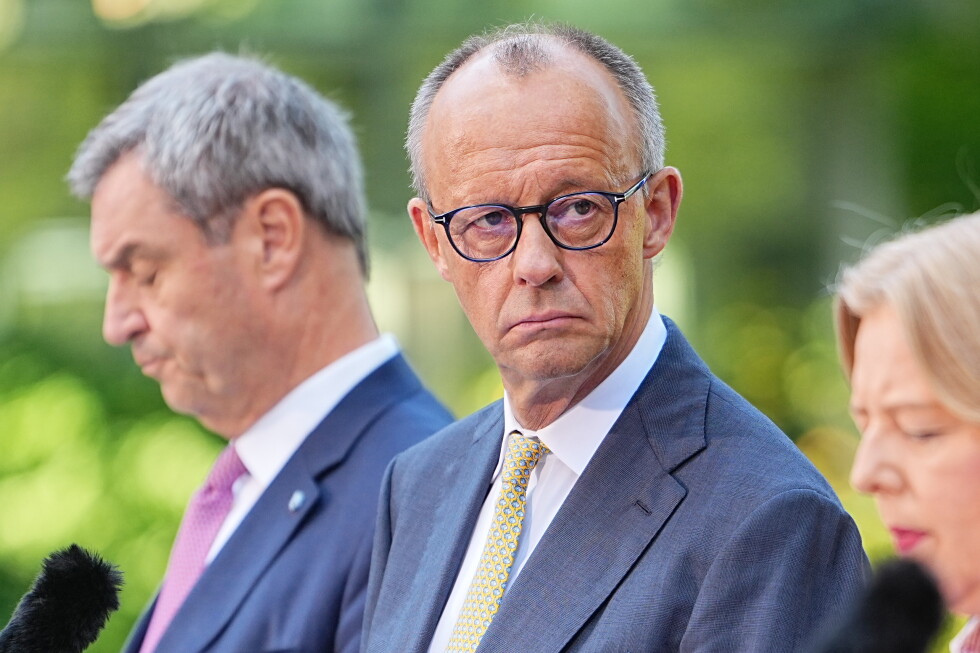
Germany has announced a significant overhaul of its labour and workplace policies as Chancellor Friedrich Merz unveiled a reform agenda designed to improve productivity, strengthen economic competitiveness, and support long-term growth. The proposed changes reflect the government’s effort to address mounting economic challenges while modernizing workplace regulations for both employers and employees.
The reforms come at a time when Europe’s largest economy is grappling with slower industrial output, changing workforce demographics, global competition, and rising pressure on businesses to remain internationally competitive. The government believes that updating labour policies is essential to improving economic performance and ensuring sustainable growth in the years ahead.
Focus on Increasing Productivity
At the centre of the government’s proposal is a shift in how working hours are regulated. Rather than maintaining rigid daily working-hour limits, the administration plans to introduce greater flexibility that would allow employees and employers to organize work schedules more efficiently.
Officials argue that the current system often restricts businesses operating in modern industries where flexible schedules have become increasingly common. The proposed changes would provide companies with greater freedom to allocate working hours while continuing to comply with overall labour protection standards.
The government maintains that this approach would enable employees to better balance professional and personal responsibilities while allowing businesses to respond more effectively to changing operational demands.
Economic Challenges Driving Reform
Germany’s economy has experienced prolonged periods of weak growth, with several industries facing declining production, high energy costs, labour shortages, and increased international competition. Manufacturing, traditionally one of the country’s strongest economic pillars, has also encountered headwinds amid changing global supply chains and slowing demand.
Against this backdrop, Chancellor Merz has argued that Germany must adopt policies that encourage investment, improve efficiency, and make the labour market more adaptable.
Government officials believe that without structural reforms, Germany could face continued economic stagnation, reducing its competitiveness compared to other major economies. 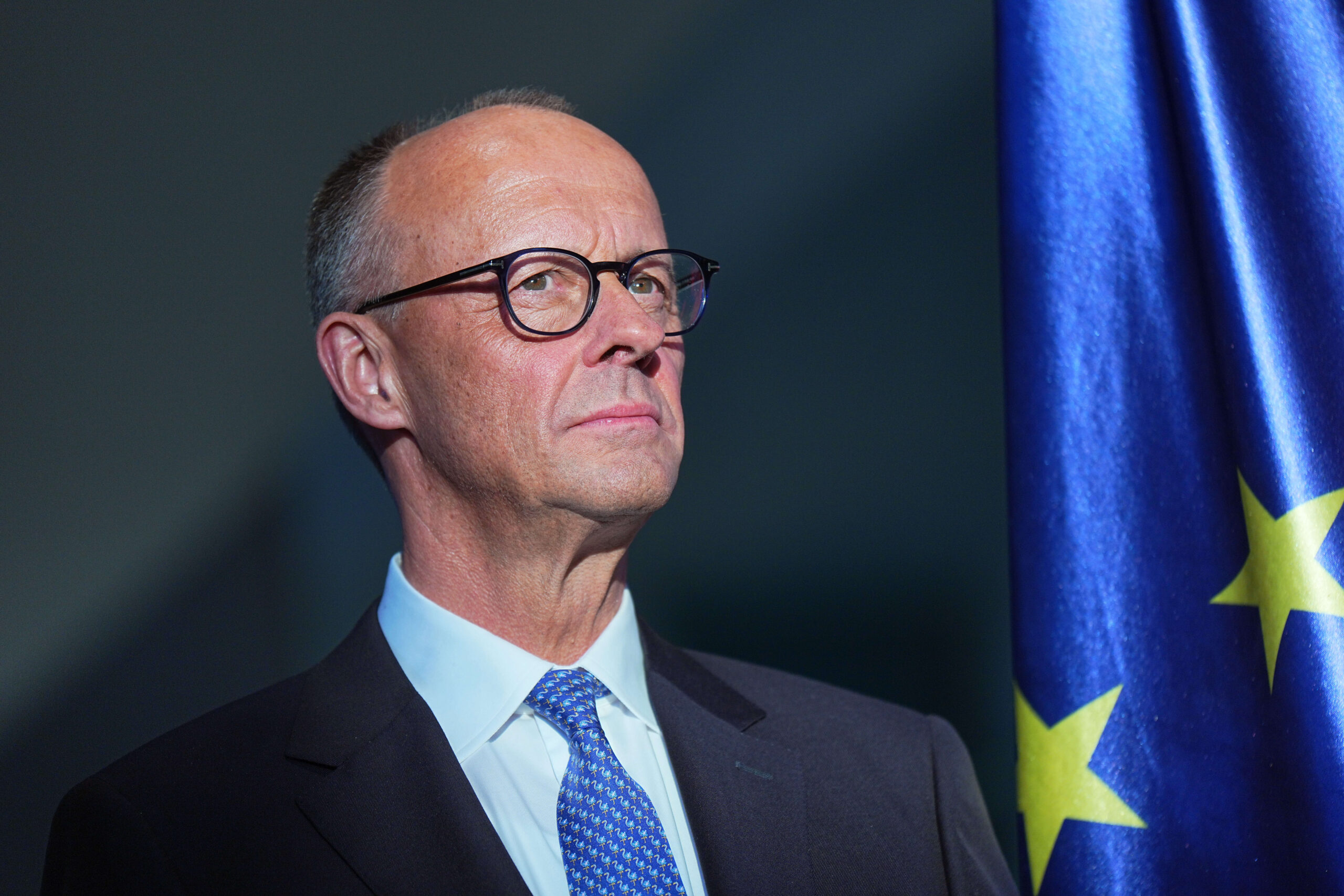
Balancing Flexibility and Worker Protection
While the reforms aim to provide employers with greater operational flexibility, the government has emphasized that employee welfare and labour rights will remain protected.
Existing rules governing workplace safety, mandatory rest periods, and employee protections are expected to continue under the proposed framework. Officials have stressed that the objective is not to increase employee workloads without safeguards but to modernize regulations that many believe no longer reflect contemporary working patterns.
The administration says flexibility can benefit workers as well, particularly those seeking alternative work arrangements, hybrid schedules, or compressed workweeks.
Responding to Labour Market Changes
Germany’s labour market has undergone significant transformation in recent years. The rise of remote work, digital industries, and flexible employment models has increased calls for labour laws that better reflect evolving workplace realities.
Businesses have argued that outdated regulations can limit operational efficiency and reduce their ability to compete internationally. Many employers have advocated for reforms that allow companies to adapt staffing and scheduling based on changing business requirements.
Supporters of the reforms believe the proposed changes could encourage investment, improve productivity, and create a more dynamic labour market.
Political Debate Expected
Despite the government’s confidence in the reform package, labour policy remains a politically sensitive issue in Germany.
Trade unions and worker advocacy groups are expected to closely examine the proposals to ensure that increased workplace flexibility does not come at the expense of employee rights. Questions surrounding work-life balance, overtime, and fair compensation are likely to become central topics as the reforms move through the legislative process.
Opposition parties may also seek amendments or challenge aspects of the proposals during parliamentary debates.
Economic Strategy Beyond Labour Reform
The workplace reforms form part of a broader economic strategy aimed at strengthening Germany’s position in an increasingly competitive global economy. Alongside labour market modernization, the government has indicated its intention to pursue policies that encourage investment, support innovation, and reduce bureaucratic barriers affecting businesses.
Officials believe that improving economic efficiency requires coordinated reforms across multiple sectors rather than isolated policy changes.
Looking Ahead
The proposed labour reforms represent one of Chancellor Friedrich Merz’s most significant economic policy initiatives since taking office. If approved, the measures could reshape workplace practices across Germany by introducing greater flexibility while maintaining core labour protections.
As discussions continue among lawmakers, businesses, labour organizations, and industry experts, the reforms are expected to play a central role in Germany’s economic agenda. Their ultimate success will depend on striking a balance between enhancing competitiveness and preserving the rights and well-being of the country’s workforce.
With economic uncertainty continuing to affect Europe, the government’s labour reform initiative signals its determination to adapt Germany’s employment framework to the demands of a rapidly changing global economy while laying the foundation for stronger and more resilient long-term growth.