
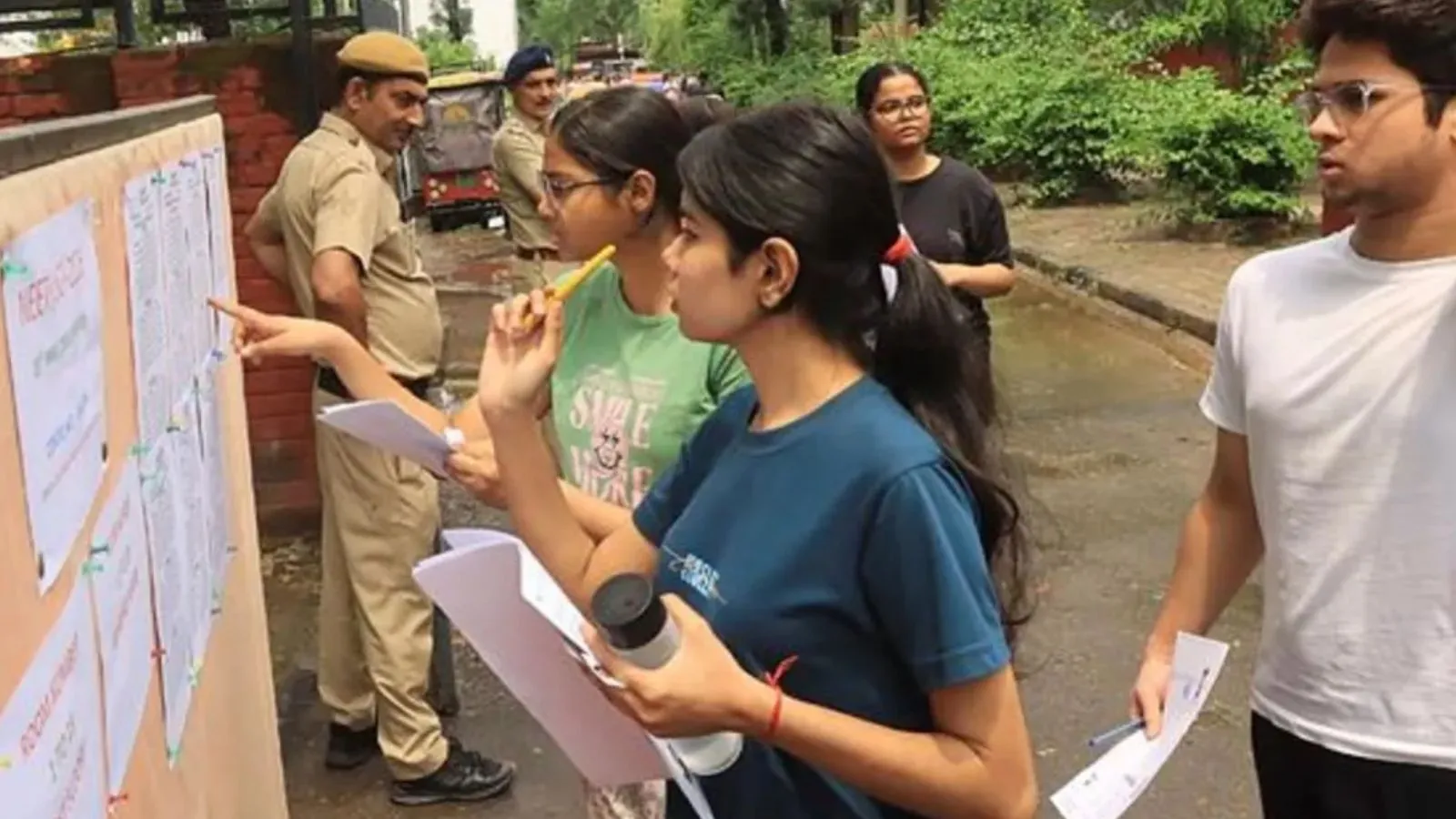
Tamil Nadu has once again been shaken by a series of tragic incidents involving students preparing for the National Eligibility cum Entrance Test (NEET), with three aspirants reportedly dying by suicide within a span of four days. The deaths have reignited longstanding concerns over the intense pressure associated with the highly competitive medical entrance examination and renewed calls for policy changes regarding medical admissions in the state.
The incidents have sparked widespread public discussion, drawing attention to the emotional and psychological burden faced by students aspiring to secure admission to medical colleges. Education activists, political leaders, and mental health experts have expressed concern over the recurring pattern of student distress linked to high-stakes competitive examinations.
Series of Tragic Deaths Raises Alarm
According to reports, the three students were preparing for medical admissions and were facing anxiety related to their academic futures. The deaths occurred over a short period, intensifying concerns among parents, educators, and student welfare groups.
Authorities have initiated inquiries into the circumstances surrounding each case. Preliminary information indicates that examination-related stress may have been a significant contributing factor, although investigations continue to examine all aspects of the incidents.
The tragedies have once again highlighted the vulnerability of students navigating one of India’s most competitive entrance examinations. Every year, lakhs of candidates compete for a limited number of seats in medical institutions, creating an environment of intense academic pressure.
Renewed Political Debate Over NEET
The incidents have revived the political debate surrounding NEET in Tamil Nadu, a state that has consistently voiced opposition to the examination system. Several political parties and social organizations have argued that the centralized entrance test places disproportionate pressure on students and disadvantages those from rural, government-school, and economically weaker backgrounds.
State leaders have reiterated their demand for alternatives to the current admission process, emphasizing the need for a system that takes into account students’ academic performance during school education rather than relying heavily on a single examination.
The debate over NEET has remained a contentious issue in Tamil Nadu since the examination became the mandatory gateway for undergraduate medical admissions across the country. Critics argue that the test has altered the educational landscape by increasing dependence on coaching institutes and creating additional stress for students. 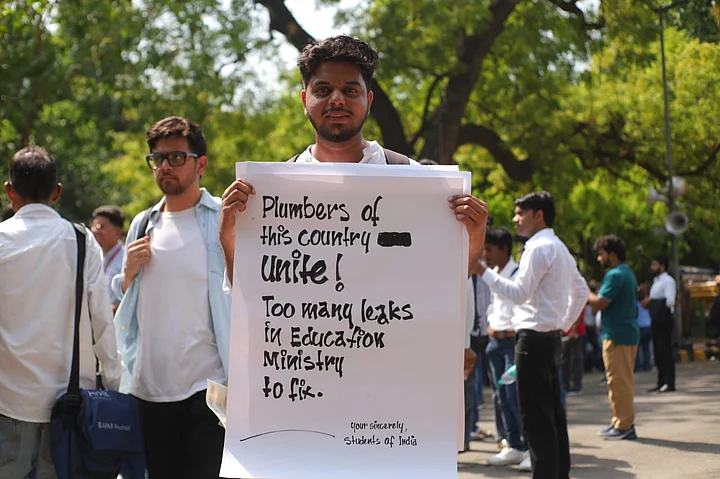
Calls for Retest Exemptions and Reforms
Following the recent deaths, various groups have renewed demands for reforms aimed at reducing student anxiety. Among the proposals being discussed are measures related to examination scheduling, admission procedures, counseling support, and exemptions from repeated testing requirements in specific circumstances.
Advocates of reform contend that the current system places excessive importance on a single examination score, which can significantly influence a student’s career prospects. They argue that a more holistic evaluation framework could help reduce psychological strain and create a fairer admissions process.
At the same time, supporters of NEET maintain that the examination provides a standardized assessment mechanism for medical admissions across India. They argue that any changes should preserve transparency and merit-based selection while addressing student welfare concerns.
Growing Concern Over Student Mental Health
Mental health professionals have emphasized the need for stronger support systems for students preparing for competitive examinations. Experts point out that prolonged academic stress, fear of failure, societal expectations, and uncertainty about future opportunities can contribute to severe emotional distress.
Counselors have urged educational institutions, families, and policymakers to prioritize mental health awareness and provide accessible psychological support services. They stress that academic performance should not be viewed as the sole measure of a student’s worth or future success.
The recent incidents have once again highlighted the importance of early intervention, emotional support, and open communication between students, parents, and educators. Specialists recommend regular counseling sessions, stress-management programs, and awareness campaigns to help students cope with examination-related pressures.
A Continuing National Concern
The deaths in Tamil Nadu have reignited a broader national conversation about the impact of high-pressure entrance examinations on young students. As competition for professional courses continues to intensify, concerns about student well-being remain at the forefront of public discourse.
While authorities investigate the recent cases, education stakeholders across the country are calling for balanced solutions that maintain academic standards while safeguarding students’ mental health. The latest tragedies serve as a sobering reminder of the human cost that can accompany intense academic competition and the urgent need for comprehensive support systems for young aspirants.
The incidents have once again placed the spotlight on the intersection of education policy, student welfare, and mental health, with many hoping that meaningful reforms and stronger support mechanisms can help prevent similar tragedies in the future.