
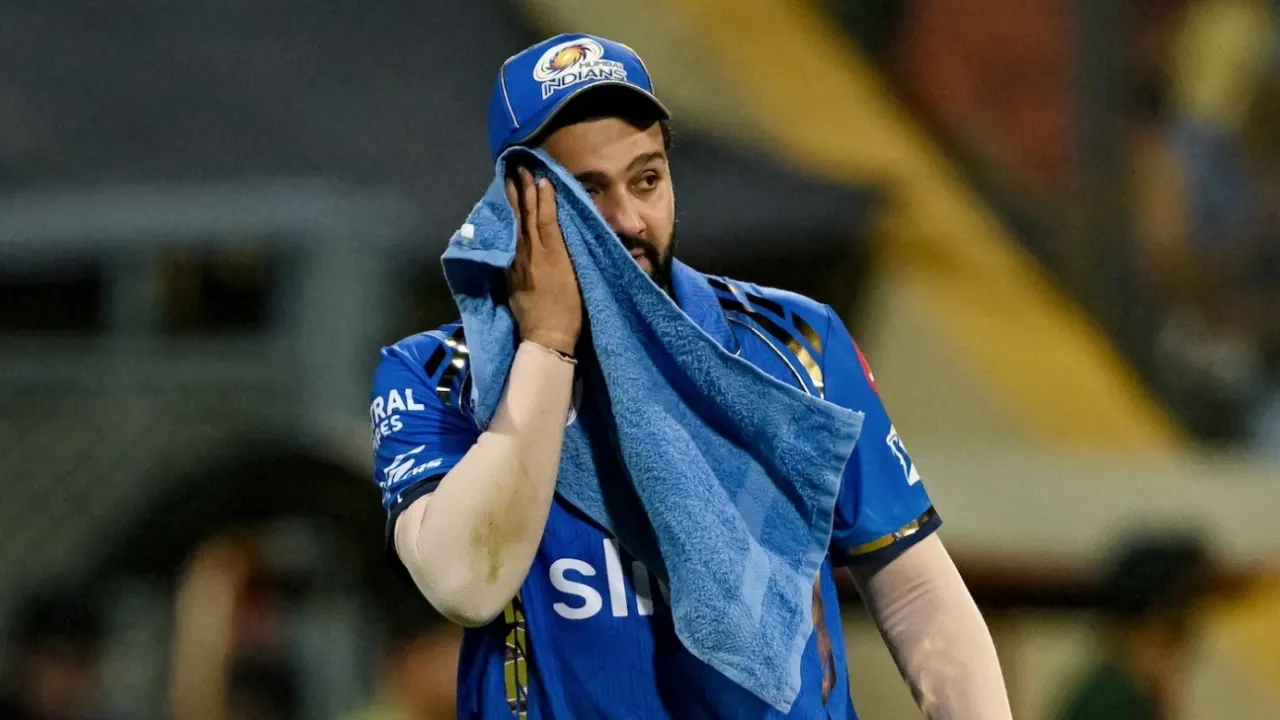
As temperatures soar across large parts of India, concerns are mounting over the decision to continue hosting top-level cricket matches in extreme summer conditions. The issue has reignited debate about player welfare, scheduling priorities, and whether the risks associated with intense heat outweigh the potential benefits for Indian cricket.
With several regions experiencing heatwave-like conditions, players, support staff, officials, and spectators have been forced to endure challenging weather during domestic and international cricket fixtures. The discussion has now moved beyond simple discomfort, with experts and former cricketers highlighting the possible physical and competitive consequences of prolonged exposure to extreme temperatures.
Growing Concerns Over Player Welfare
Modern cricket places enormous physical demands on athletes. Long hours on the field, heavy protective equipment, constant running, and intense concentration already test players’ endurance. When these demands are combined with temperatures exceeding 40 degrees Celsius, the risk of dehydration, heat exhaustion, muscle fatigue, and reduced performance increases significantly.
Medical experts have repeatedly stressed that prolonged exposure to severe heat can affect reaction times, decision-making abilities, and overall physical output. In a sport where margins between success and failure are often extremely small, even a slight decline in physical or mental sharpness can influence outcomes.
Cricketers are expected to maintain peak fitness throughout lengthy matches, yet extreme weather conditions can make recovery more difficult and increase the possibility of injuries. Fast bowlers, in particular, may face greater physical stress due to the demanding nature of their role.
Impact on Match Quality
Beyond health concerns, critics argue that excessive heat can negatively affect the quality of cricket itself. Players struggling with fatigue may not perform at their highest level, leading to reduced intensity in the field and less competitive contests.
Fielding standards can suffer as athletes conserve energy, while bowlers may struggle to maintain pace and consistency during long spells. Batters, too, can find concentration difficult when exposed to relentless heat for extended periods.
As a result, matches risk becoming contests of endurance rather than skill, potentially diminishing the quality of competition that fans expect from elite cricket. 
Balancing Commercial and Sporting Priorities
Cricket administrators face a complex challenge when planning schedules. Broadcasting commitments, venue availability, tournament calendars, and logistical considerations all influence match planning. However, critics argue that player welfare should remain the primary consideration when determining match timings and venues.
The commercial success of Indian cricket has led to increasingly packed schedules. Domestic tournaments, international series, franchise competitions, and developmental events leave limited flexibility in the calendar. Yet many observers believe that adjustments can still be made to reduce exposure to the harshest weather conditions.
Suggestions include scheduling more evening fixtures, selecting venues with relatively milder climates during peak summer months, and incorporating additional rest periods between matches.
Spectators Also Face Challenges
The debate extends beyond the players. Thousands of fans attending matches often spend several hours in open stadiums with limited protection from the sun. Extreme temperatures can create uncomfortable and potentially dangerous conditions for spectators, particularly children, elderly individuals, and those with underlying health concerns.
While stadium authorities frequently implement measures such as water distribution points, shaded areas, and medical assistance facilities, concerns remain about the overall fan experience during intense heat.
Cricket’s popularity in India ensures strong attendance regardless of weather conditions, but critics argue that supporter safety and comfort deserve greater consideration in scheduling decisions. 
Lessons From Global Sports
Around the world, major sporting organizations have increasingly adapted to changing climate conditions. Several international sporting events now incorporate heat-management protocols, including modified schedules, mandatory hydration breaks, and weather-based contingency plans.
Cricket itself has evolved in response to environmental challenges, introducing drinks breaks and other protective measures. However, some experts believe more comprehensive planning may be required as extreme weather events become more frequent and intense.
Climate trends suggest that heatwaves are likely to remain a recurring challenge, making long-term scheduling strategies increasingly important for sports administrators.
The Long-Term View for Indian Cricket
India remains one of the most influential forces in world cricket, and decisions taken by its governing authorities often set standards for the broader cricketing ecosystem. As discussions around athlete welfare gain prominence globally, expectations are growing that scheduling decisions should reflect modern health and safety considerations.
Supporters of a more cautious approach argue that protecting players from unnecessary risks ultimately benefits the sport. Healthy athletes are more likely to deliver higher-quality performances, maintain longer careers, and contribute positively to the game’s growth.
The debate is not simply about a few uncomfortable matches. Rather, it concerns the broader question of how cricket should adapt to increasingly challenging environmental conditions while preserving competitive integrity and safeguarding everyone involved.
Conclusion
The controversy surrounding cricket matches being played in extreme summer heat has sparked a wider conversation about the future of scheduling in Indian cricket. While financial, logistical, and broadcasting considerations remain important, growing concerns about player welfare, performance standards, and spectator safety are difficult to ignore.
As temperatures continue to rise across many parts of the country, the challenge for cricket administrators will be finding the right balance between maintaining a busy cricket calendar and ensuring that the sport is played in conditions that prioritize health, safety, and quality competition. The decisions made today could have lasting implications for the future of Indian cricket.