
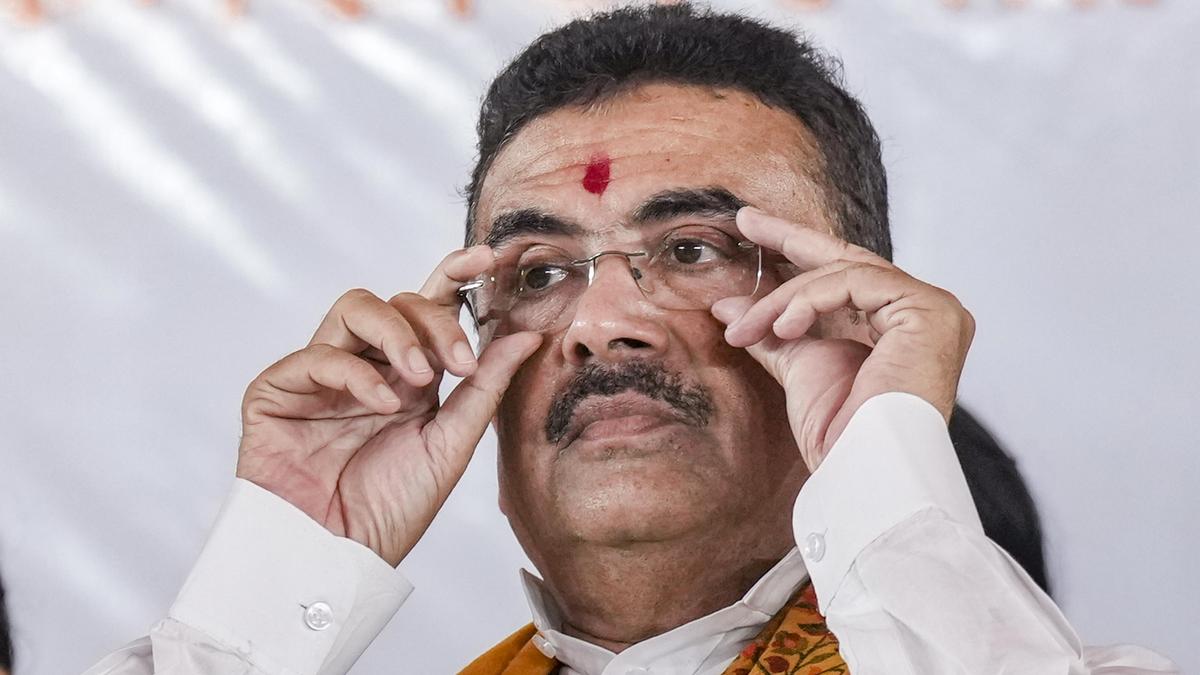
In a significant push toward environmental conservation and river rejuvenation, West Bengal Chief Minister Mamata Banerjee launched a large-scale cleanliness campaign along the banks of the Hooghly River, underlining the importance of collective responsibility in preserving one of eastern India’s most vital water bodies.
The initiative was formally inaugurated at a river ghat, where the Chief Minister personally participated in cleanliness activities and interacted with officials, local residents, and volunteers. The campaign forms part of broader efforts to improve river health, reduce pollution, and strengthen public awareness regarding environmental sustainability.
Addressing the gathering, Banerjee emphasized that maintaining cleanliness in and around rivers is not solely the responsibility of government agencies but requires active participation from citizens, community organizations, and local institutions.
Renewed Focus on the Namami Gange Mission
During the event, the Chief Minister reiterated the importance of the Namami Gange programme, the national initiative aimed at restoring and conserving the Ganga river ecosystem. She stressed that the Hooghly River, being a major distributary of the Ganga, plays a crucial role in the ecological, cultural, and economic life of West Bengal.
According to Banerjee, river conservation efforts must go beyond infrastructure projects and include sustained public engagement, waste management reforms, and awareness campaigns. She noted that long-term success depends on preventing pollution at its source and encouraging responsible environmental practices among communities residing along riverbanks.
The Chief Minister also highlighted ongoing efforts undertaken by state authorities to improve sanitation infrastructure and ensure cleaner surroundings in areas adjoining the river.
Importance of the Hooghly River to West Bengal
The Hooghly River remains one of the most significant waterways in West Bengal. It serves as a source of livelihood for thousands of people engaged in fishing, transportation, trade, tourism, and religious activities.
Over the years, concerns have grown regarding pollution caused by untreated waste, industrial discharge, and the accumulation of plastic and other non-biodegradable materials. Environmental experts have repeatedly warned that such factors pose serious risks to aquatic biodiversity and public health.
The latest cleanliness drive seeks to address these challenges through coordinated efforts involving government departments, municipal authorities, environmental groups, and local communities. 
Public Participation at the Core of the Campaign
A major theme of the campaign was the need for public involvement in maintaining clean riverbanks and preventing littering. Officials encouraged citizens to adopt environmentally responsible habits, including proper waste disposal and reduced use of single-use plastics.
Volunteers participating in the programme collected waste from the riverfront and surrounding areas, while awareness activities were conducted to educate people about the environmental consequences of pollution.
The administration emphasized that behavioral change is essential for ensuring that cleanliness initiatives deliver lasting results rather than temporary improvements.
Strengthening Environmental Awareness
The Chief Minister stated that environmental protection should become a continuous social movement rather than an occasional government exercise. She called upon educational institutions, civic bodies, and local organizations to contribute actively toward river conservation efforts.
Awareness campaigns, community outreach programmes, and regular monitoring of riverfront areas are expected to form key components of future environmental initiatives. Authorities believe that sustained engagement can help create a sense of ownership among citizens and encourage long-term stewardship of natural resources.
Broader Vision for Sustainable Development
The Hooghly River cleanliness drive aligns with broader goals of sustainable urban development and environmental management. Cleaner rivers not only improve ecological health but also support tourism, public well-being, and economic activity.
State officials indicated that similar initiatives may be expanded to other locations in the future as part of a comprehensive strategy to strengthen environmental protection across West Bengal.
As concerns over water pollution continue to grow nationwide, the campaign sends a strong message about the importance of preserving rivers through coordinated action, community participation, and sustained policy implementation.
The launch of the cleanliness drive marks another step in West Bengal’s efforts to improve river ecosystems while reinforcing the objectives of the Namami Gange mission and promoting a cleaner, healthier environment for future generations.