
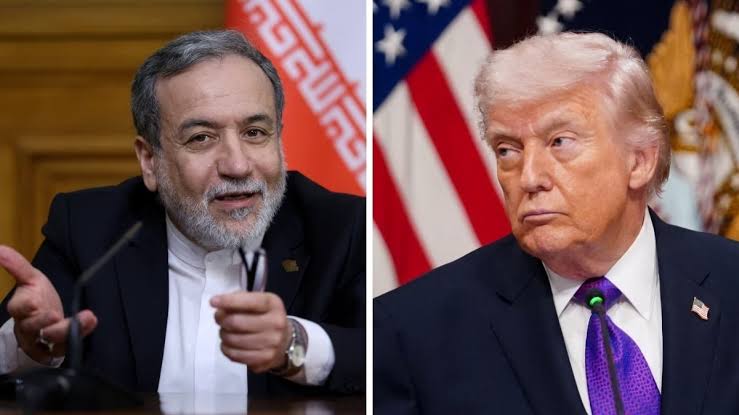
A potential diplomatic breakthrough between the United States and Iran could dramatically alter the economic landscape of the Middle East, with estimates suggesting that Tehran stands to gain access to hundreds of billions of dollars through sanctions relief, revived oil exports, and the release of frozen overseas assets.
The proposed framework, reportedly backed by former U.S. President Donald Trump as part of a broader peace initiative, is being viewed as one of the most consequential economic opportunities for Iran in decades. If implemented, the arrangement could provide a substantial financial lifeline to a country that has struggled under years of international sanctions and economic isolation.
A Massive Economic Opportunity for Iran
For years, Iran’s economy has faced severe pressure from international sanctions targeting its banking sector, oil industry, and access to global financial systems. These restrictions significantly reduced government revenues, weakened the national currency, increased inflation, and constrained foreign investment.
Under a potential agreement, Iran could benefit from several major financial gains:
- Access to frozen overseas assets held in foreign accounts.
- Relief from key economic and financial sanctions.
- Expanded opportunities for international trade and investment.
- Restoration of oil export revenues.
- Improved access to global banking networks.
Economic analysts believe that the cumulative value of these benefits could reach hundreds of billions of dollars over time, potentially transforming Iran’s economic outlook.
Frozen Assets Could Be Released
One of the most significant incentives for Tehran would be the potential release of funds currently frozen abroad due to sanctions and financial restrictions.
Over the years, large sums generated from Iranian oil sales have remained inaccessible because of international sanctions. These funds are held in various foreign jurisdictions and cannot be freely utilized by the Iranian government.
Should a comprehensive agreement be reached, portions of these assets could become available again, providing immediate liquidity and strengthening government finances.
The release of frozen funds would help Iranian authorities address budgetary pressures, stabilize financial markets, and support economic development programs.
Oil Exports Remain the Biggest Prize
Iran possesses some of the world’s largest oil and natural gas reserves, making energy exports a cornerstone of its economy.
Sanctions have significantly limited Iran’s ability to sell crude oil on international markets. While the country has continued exporting oil through various channels, its sales have remained below potential levels.
A sanctions-relief arrangement could allow Iran to:
- Increase crude oil production.
- Expand exports to major global markets.
- Attract foreign investment into the energy sector.
- Modernize aging oil infrastructure.
- Generate substantial government revenue.
Analysts estimate that a return to unrestricted energy exports could provide Iran with tens of billions of dollars annually, strengthening public finances and stimulating broader economic growth.
Impact on Global Energy Markets
Any significant increase in Iranian oil production would likely have consequences beyond Iran’s borders.
Energy traders and market observers suggest that additional Iranian crude entering global markets could influence international oil prices, supply chains, and energy security calculations.
Countries dependent on imported energy could benefit from increased supply, while energy-exporting nations may closely monitor the market implications of renewed Iranian production.
The development could therefore become an important factor in global energy policy discussions.
Foreign Investment Could Return
Years of sanctions have discouraged many international companies from operating in Iran despite its large consumer market and abundant natural resources.
A diplomatic settlement could encourage foreign investors to revisit opportunities in sectors such as:
- Energy and petrochemicals
- Infrastructure development
- Manufacturing
- Telecommunications
- Transportation
- Financial services
The prospect of renewed investment could create jobs, improve industrial productivity, and support long-term economic modernization.
International businesses have historically shown interest in Iran due to its strategic location, educated workforce, and significant domestic market. 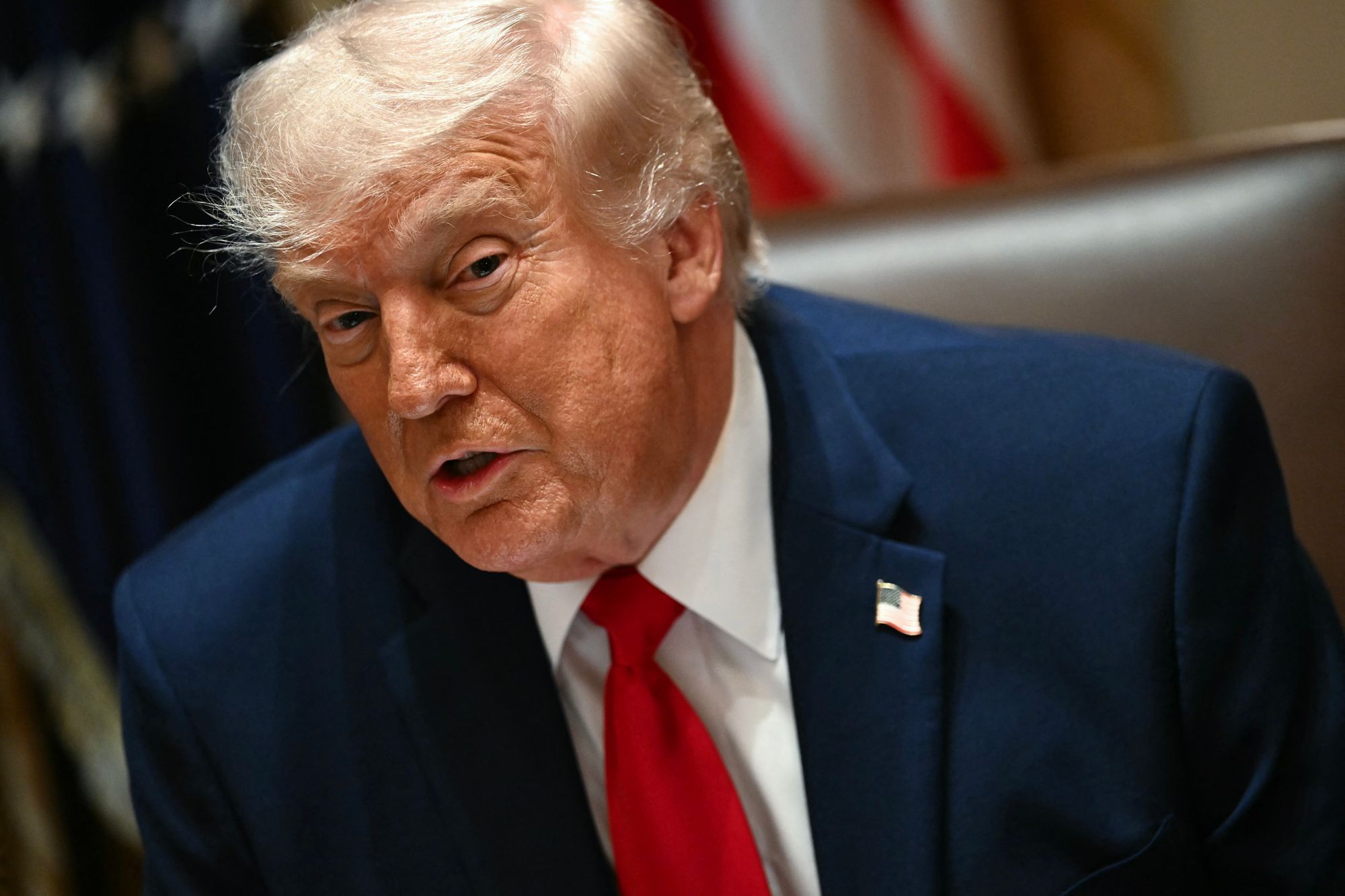
Banking and Financial Access
Another crucial component of sanctions relief would be improved access to international banking systems.
Iranian banks have long faced restrictions that complicated international transactions and limited participation in global finance.
A successful agreement could:
- Facilitate cross-border payments.
- Improve access to foreign currencies.
- Encourage international trade.
- Reduce transaction costs for businesses.
- Strengthen confidence among investors.
Enhanced banking access would likely play a key role in any broader economic recovery strategy.
Political and Diplomatic Challenges Remain
Despite the potential economic rewards, significant diplomatic hurdles remain before any comprehensive agreement can be finalized.
Negotiations involving Iran and Western powers have historically faced obstacles related to nuclear activities, regional security concerns, verification mechanisms, and enforcement provisions.
Political opposition from various stakeholders both within the region and internationally could also complicate efforts to reach a lasting settlement.
As a result, while the economic benefits appear substantial, the path toward implementation remains uncertain.
A Potential Turning Point
If realized, the proposed peace framework could mark a major turning point for Iran’s economy. Access to frozen assets, increased oil revenues, renewed foreign investment, and reintegration into global financial networks could collectively reshape the country’s economic future.
For Tehran, the agreement represents more than a diplomatic achievement—it could provide an opportunity to reverse years of economic strain and position the nation for renewed growth.
Whether negotiations ultimately succeed will depend on complex geopolitical calculations, but the potential financial stakes involved underscore why the proposal is attracting significant international attention.