
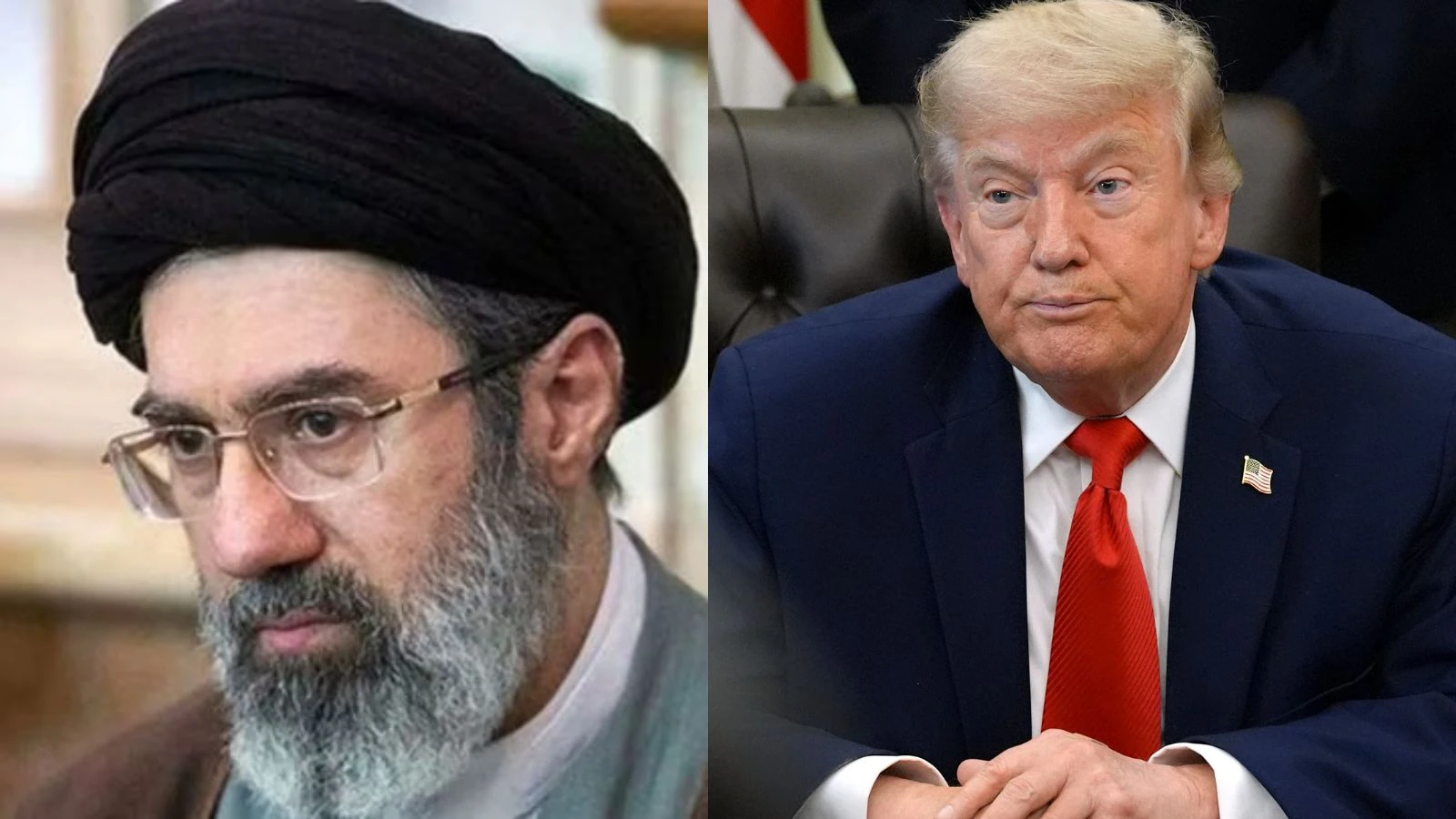
In a major diplomatic breakthrough with far-reaching implications for the Middle East and global economic stability, the United States and Iran have reportedly reached a comprehensive peace agreement aimed at ending weeks of escalating military tensions and restoring stability across the region. The development is being viewed as one of the most significant geopolitical achievements in recent years, potentially reducing the risk of a broader regional conflict and reopening critical international trade routes.
The agreement, expected to be formally signed in Geneva on June 19, follows an intensive period of diplomatic engagement involving multiple countries and international mediators. Officials familiar with the negotiations have indicated that the deal includes provisions addressing military operations, maritime security, economic cooperation, and mechanisms for preventing future hostilities.
End of Military Escalation
The peace accord is expected to bring an immediate halt to active military operations between the two countries. The conflict had raised concerns across the international community as both sides exchanged threats and engaged in strategic maneuvers that heightened fears of a wider war in the Middle East.
The agreement reportedly establishes a framework under which military activities linked to the recent conflict will cease. Both nations are expected to adopt confidence-building measures designed to prevent misunderstandings and reduce the likelihood of accidental confrontations in sensitive areas of the region.
Diplomatic sources suggest that the framework includes communication channels between military authorities, allowing for direct engagement during future crises and reducing the chances of escalation.
Reopening of the Strait of Hormuz
One of the most consequential elements of the agreement is the reopening and guaranteed security of the Strait of Hormuz, one of the world’s most important maritime trade corridors.
The strategic waterway serves as a critical passage for global energy shipments, with a substantial percentage of the world’s oil exports passing through it each day. Concerns over disruptions in the strait had triggered volatility in international energy markets and raised fears of supply shortages.
Under the terms of the deal, maritime traffic is expected to resume normal operations with security assurances from relevant stakeholders. The reopening of the route is likely to stabilize global oil prices, reassure energy-importing nations, and ease concerns among shipping companies and international investors.
Industry analysts believe that uninterrupted access to the Strait of Hormuz could significantly reduce geopolitical risk premiums that had recently been added to crude oil prices. 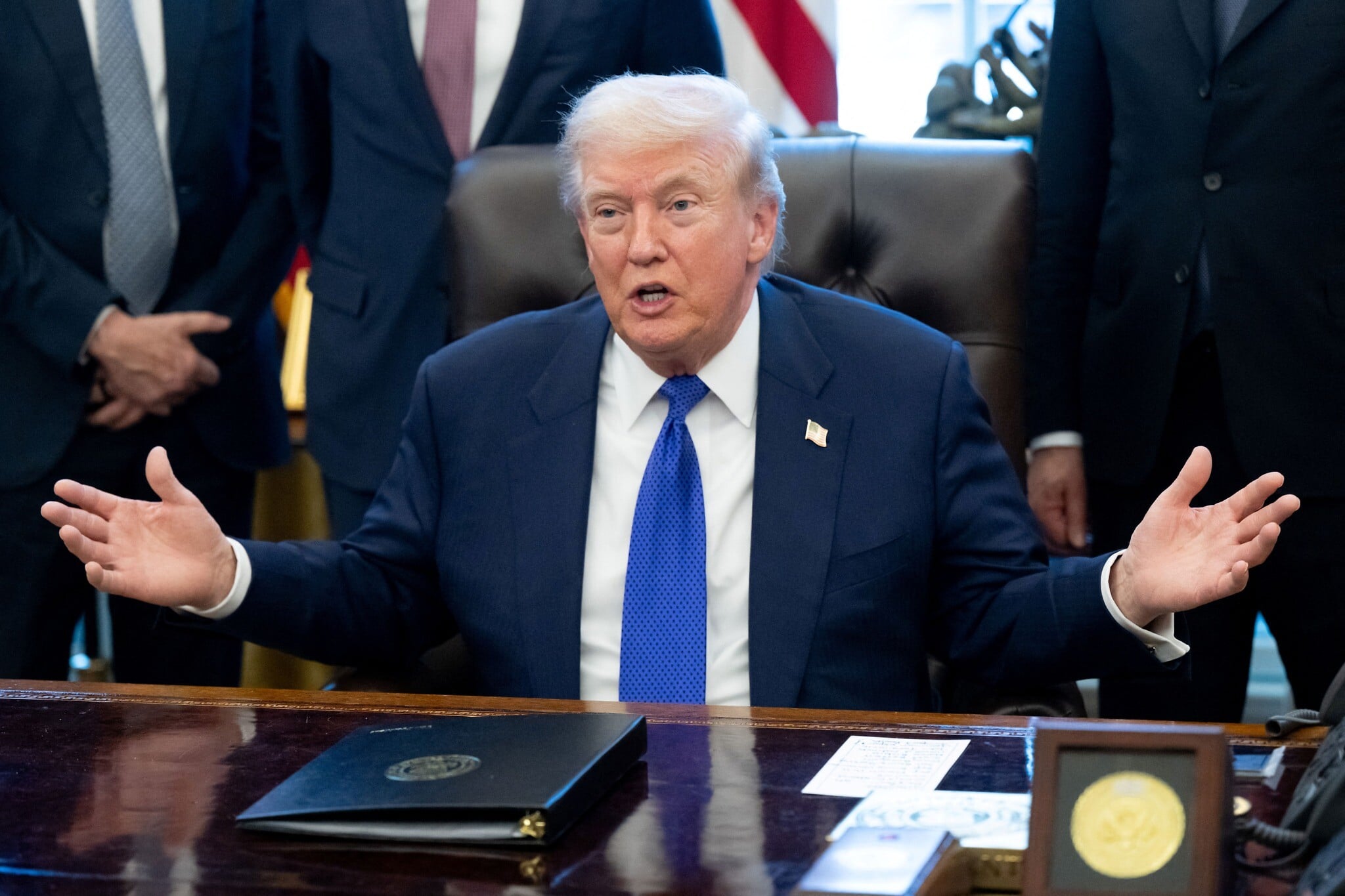
Diplomatic Efforts Behind the Agreement
The path to the agreement involved extensive behind-the-scenes diplomacy involving regional and international actors. Multiple governments reportedly played a role in encouraging dialogue between Washington and Tehran, helping bridge differences on key security and political issues.
Negotiators focused on achieving immediate de-escalation while also establishing a long-term framework for cooperation. Discussions are understood to have covered security guarantees, regional stability, economic concerns, and the future of strategic waterways.
The Geneva signing ceremony is expected to symbolize a new chapter in relations between the two countries, marking a shift from confrontation toward diplomatic engagement.
Impact on Global Markets
Financial and energy markets have closely monitored developments surrounding the US-Iran standoff due to the potential impact on international trade and energy supplies.
News of the peace agreement has generated optimism among investors who had feared prolonged instability. Analysts expect the reduction in geopolitical tensions to support market confidence and contribute to greater predictability in global energy supplies.
The reopening of shipping routes and the reduction of military risks are likely to benefit countries heavily dependent on imported oil and gas. Economists note that stable energy prices can help governments manage inflationary pressures and support broader economic growth.
Regional Reactions
Governments across the Middle East and beyond are expected to welcome the agreement as an important step toward regional stability. The conflict had generated concerns about the possibility of neighboring countries being drawn into a broader confrontation.
Security experts argue that a successful implementation of the agreement could create opportunities for wider diplomatic engagement across the region. Reduced tensions between the United States and Iran may also encourage dialogue on other longstanding regional disputes.
Several countries that had advocated for peaceful negotiations are expected to support mechanisms designed to ensure compliance with the terms of the agreement.
Strategic Implications
Beyond ending the immediate crisis, the agreement could reshape the geopolitical landscape of the Middle East. The deal demonstrates the continued importance of diplomacy in resolving high-stakes international disputes and may serve as a model for future conflict-resolution efforts.
The accord also highlights the interconnected nature of global security and economic stability. Events in the Middle East can have immediate consequences for energy markets, international trade, and diplomatic relations worldwide.
If successfully implemented, the agreement could reduce uncertainty in one of the world’s most strategically important regions and open the door to broader cooperation on security and economic issues.
Looking Ahead
As preparations continue for the formal signing ceremony in Geneva, international attention remains focused on how both sides will implement the agreement’s provisions. The coming weeks will be critical in determining whether the breakthrough can deliver lasting peace and stability.
While challenges remain, the deal represents a significant opportunity to move beyond confrontation and establish a more predictable framework for regional relations. For global markets, energy security, and diplomatic efforts worldwide, the success of the agreement could mark a turning point with lasting consequences far beyond the Middle East.
The upcoming signing is expected to be closely watched by governments, investors, and security experts alike, as the world assesses the impact of what could become one of the most important diplomatic agreements of the year.