

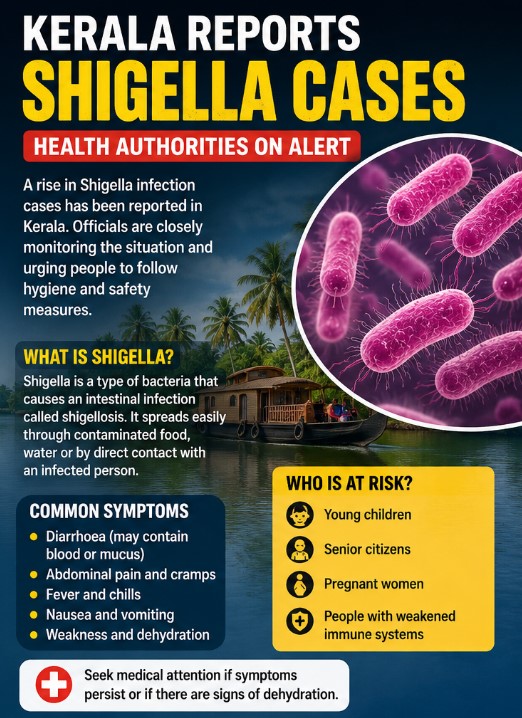
Health authorities in Kerala are closely monitoring a rise in Shigella infection cases, prompting renewed awareness about the highly contagious bacterial disease and the importance of maintaining proper hygiene practices.
Medical experts have emphasized that while Shigella infections are generally treatable, the bacteria can spread rapidly in communities if preventive measures are not followed. The outbreak has raised concerns, particularly among children, elderly individuals, and people with weakened immune systems, who are considered more vulnerable to severe complications.
What Is Shigella Infection?
Shigella infection, also known as shigellosis, is an intestinal disease caused by bacteria belonging to the Shigella group. The infection primarily affects the digestive system and leads to inflammation of the intestines.
The disease spreads easily through contaminated food, water, and direct contact with infected individuals. Even a small number of bacteria can cause illness, making the infection highly contagious.
Health experts note that poor sanitation, inadequate hand hygiene, and consumption of contaminated food are among the major factors contributing to the spread of the disease.

How Does the Infection Spread?
Shigella bacteria are commonly transmitted through the fecal-oral route. Infection may occur when people:
- Consume contaminated food or drinking water.
- Fail to wash their hands properly after using the toilet.
- Come into contact with infected individuals.
- Touch contaminated surfaces and subsequently touch their mouth.
- Eat food prepared by someone carrying the bacteria.
Crowded environments, schools, childcare centres, and areas with inadequate sanitation are particularly vulnerable to outbreaks.
Common Symptoms of Shigellosis
Symptoms typically appear one to three days after exposure to the bacteria and may include:
- Diarrhoea, sometimes containing blood or mucus.
- Abdominal pain and cramps.
- Fever and chills.
- Nausea and vomiting.
- General weakness and dehydration.
In most cases, symptoms last for several days and improve with proper hydration and medical care. However, severe infections may require hospitalization.
Who Is Most at Risk?
Doctors say young children, senior citizens, pregnant women, and individuals with weakened immune systems face a higher risk of complications.
People suffering from chronic illnesses may also experience more severe symptoms if infected.
Treatment and Recovery
Most Shigella infections can be managed through adequate fluid intake and supportive treatment. Physicians may prescribe antibiotics in severe cases, depending on the patient’s condition and the bacterial strain involved.
Experts caution against self-medication and advise individuals experiencing persistent diarrhoea or signs of dehydration to seek medical attention immediately.
Preventive Measures
Health authorities recommend several precautions to reduce the risk of infection:
- Wash hands thoroughly with soap and water.
- Drink clean and safe water.
- Ensure food is cooked properly.
- Avoid consuming contaminated or unhygienic food.
- Maintain proper sanitation in homes and public spaces.
- Keep infected individuals away from food preparation areas.
Public health experts stress that awareness and hygiene remain the most effective tools in preventing the spread of Shigella infection.
Health Department Monitoring Situation
Authorities in Kerala are continuing surveillance efforts and have urged residents to remain vigilant without causing panic. Officials are also focusing on public awareness campaigns to educate communities about the symptoms and preventive measures associated with the disease.
Medical professionals have reassured the public that early diagnosis and timely treatment can significantly reduce the risk of complications and help contain the spread of the infection.