
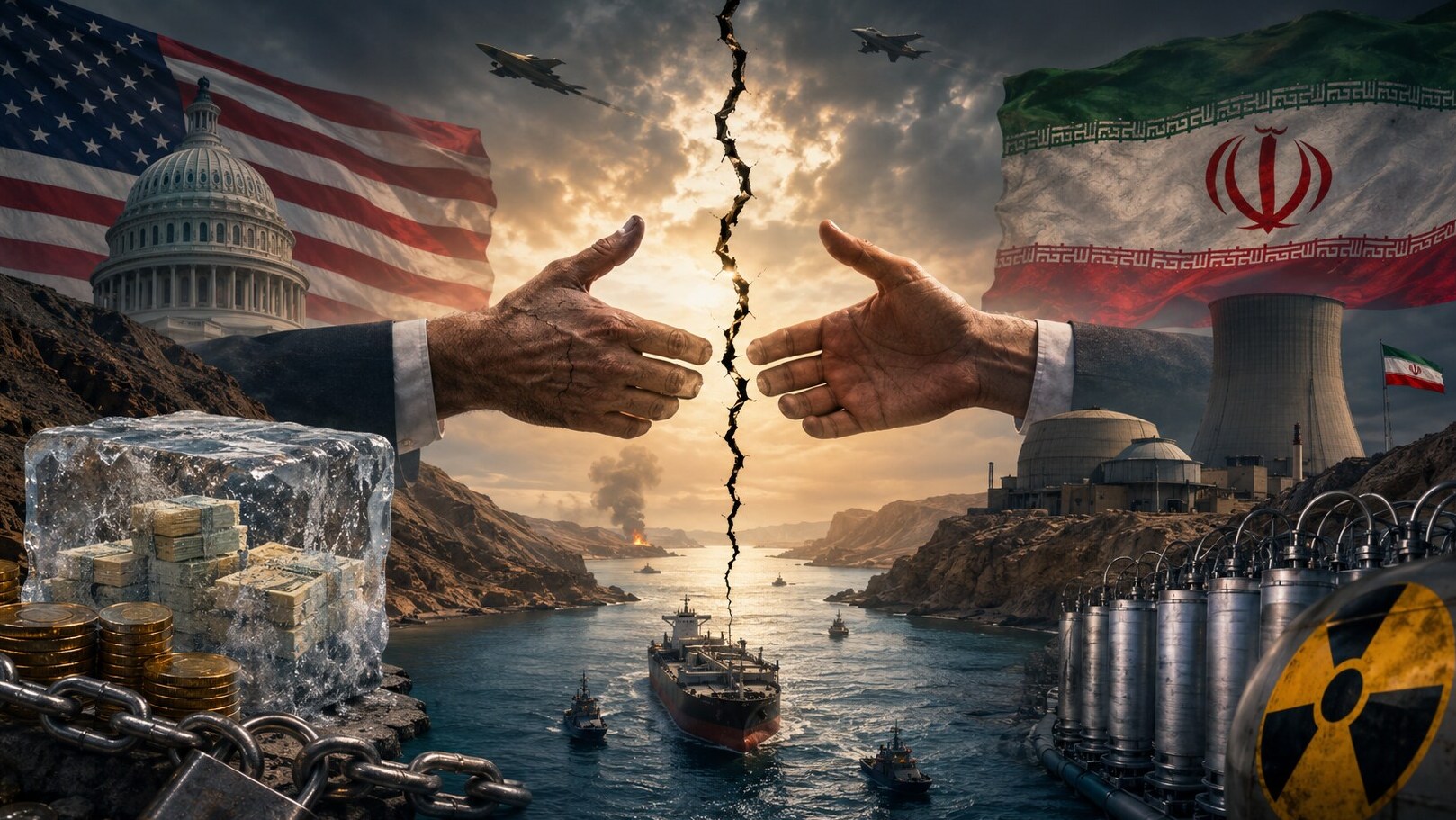
The long-running diplomatic deadlock between the United States and Iran continues to intensify as both sides remain divided over sanctions relief, uranium enrichment policies, and regional security concerns surrounding the strategically vital Strait of Hormuz. Despite intermittent diplomatic engagement and renewed international calls for de-escalation, negotiators have yet to secure a breakthrough capable of reviving a comprehensive nuclear agreement.
The impasse comes at a time of heightened geopolitical instability in the Middle East, where military tensions, economic sanctions, and energy security concerns are reshaping global diplomatic priorities. Officials from both Washington and Tehran have continued to exchange sharp rhetoric while simultaneously signaling limited willingness to pursue negotiations, leaving the future of any potential peace framework uncertain.
Core Issues Blocking the Agreement
At the center of the dispute is Iran’s demand for meaningful sanctions relief in exchange for limitations on its nuclear activities. Tehran has repeatedly argued that previous agreements failed to deliver lasting economic benefits due to shifting US political policies and renewed restrictions imposed after Washington withdrew from earlier arrangements.
American officials, meanwhile, remain concerned about Iran’s expanding uranium enrichment capabilities and its broader regional military influence. Washington has insisted that any future agreement must include stronger verification mechanisms, clearer restrictions on nuclear development, and assurances regarding regional stability.
The disagreement over uranium enrichment remains one of the most difficult obstacles in the negotiations. Iranian leaders maintain that nuclear development for civilian energy purposes is their sovereign right, while US officials and Western allies continue to express fears that enrichment levels could potentially shorten the timeline for weapons-grade nuclear capability. 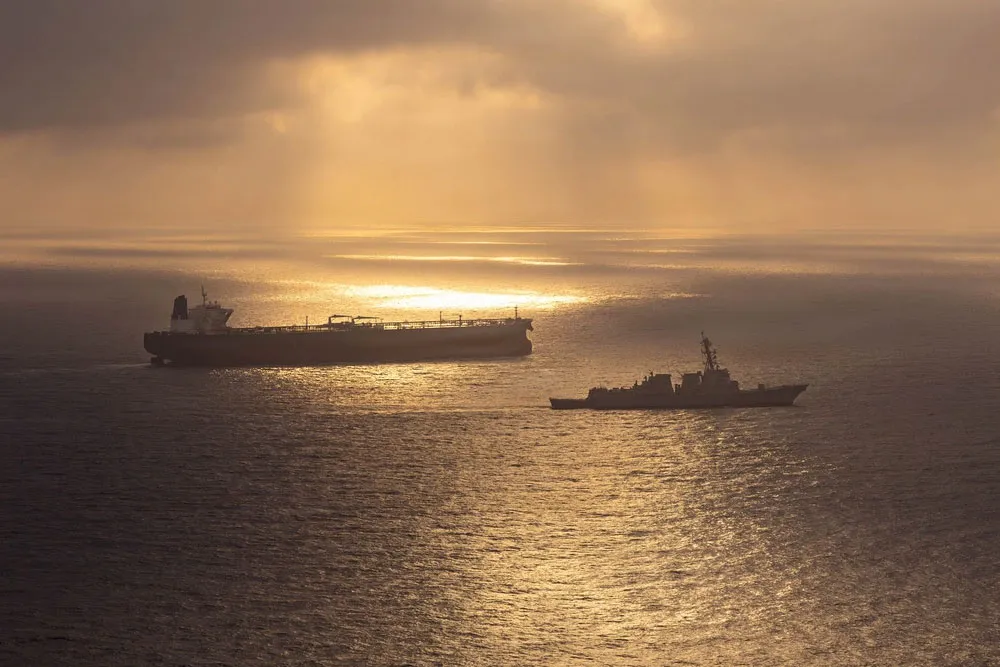
Strategic Importance of the Strait of Hormuz
The Strait of Hormuz has once again emerged as a major flashpoint in the diplomatic standoff. The narrow waterway is one of the world’s most critical energy transit routes, carrying a significant share of global oil exports. Any escalation in military activity or shipping disruptions in the region could have severe consequences for international energy markets and global economic stability.
Iran has periodically warned that escalating sanctions or military pressure could impact maritime security in the Gulf region. Such statements have heightened concerns among Western governments and international shipping operators, particularly as regional tensions remain elevated.
Security analysts believe that the Strait of Hormuz has become both a geopolitical pressure point and a negotiating tool in broader discussions involving sanctions, military deterrence, and regional influence. The situation has also prompted increased naval monitoring and defense coordination among several countries operating in the Gulf.
Role of US Political Leadership
Former US President Donald Trump continues to influence the broader debate surrounding Iran policy. His administration’s earlier decision to withdraw from the nuclear agreement and impose extensive economic sanctions fundamentally altered diplomatic relations between Washington and Tehran.
Current discussions within American political circles remain divided between advocates of maximum economic pressure and supporters of renewed diplomacy. Some policymakers argue that sanctions remain the most effective leverage against Iran, while others believe that continued pressure without engagement risks further destabilizing the region.
US Secretary of State Marco Rubio has emphasized the importance of regional security and non-proliferation measures while maintaining that Washington remains open to diplomatic solutions if Iran demonstrates measurable commitments. 
Tehran’s Position and Regional Dynamics
Iranian officials have repeatedly stated that trust remains the biggest challenge in negotiations with the United States. Leaders in Tehran argue that previous diplomatic agreements collapsed because commitments made by Washington were not sustained across administrations.
The Iranian government also continues to face internal political pressure from factions skeptical of negotiations with Western powers. Hardline political groups have warned against making concessions without guaranteed economic relief and stronger protections against future sanctions.
At the same time, regional conflicts and proxy tensions across the Middle East continue to complicate diplomatic calculations. The broader security environment involving Gulf nations, Israel, and regional militia networks has added further complexity to nuclear negotiations.
Global Economic and Energy Concerns
The uncertainty surrounding US-Iran relations is also being closely monitored by global financial markets and energy analysts. Any instability involving the Strait of Hormuz has the potential to disrupt oil supplies, increase shipping insurance costs, and trigger volatility in global crude prices.
Energy-importing nations remain particularly concerned about the possibility of prolonged instability in the Gulf region. Diplomatic observers note that international stakeholders are increasingly pushing for de-escalation measures to prevent further economic disruptions.
Several countries have quietly encouraged renewed dialogue between Washington and Tehran in hopes of avoiding a larger regional crisis that could affect international trade routes and global inflation pressures.
Future of the Negotiations
Despite the ongoing stalemate, diplomatic channels between the United States and Iran have not been completely severed. Backchannel discussions and indirect negotiations reportedly continue through international intermediaries, though expectations for an immediate breakthrough remain low.
Experts believe that any future agreement would likely require phased sanctions relief, stricter monitoring provisions, and broader regional security understandings. However, deep mistrust on both sides continues to hinder meaningful progress.
As geopolitical tensions persist and strategic concerns surrounding the Strait of Hormuz intensify, the future of US-Iran relations remains uncertain. The coming months are expected to play a crucial role in determining whether diplomacy can still prevent further escalation in one of the world’s most sensitive geopolitical conflicts.