
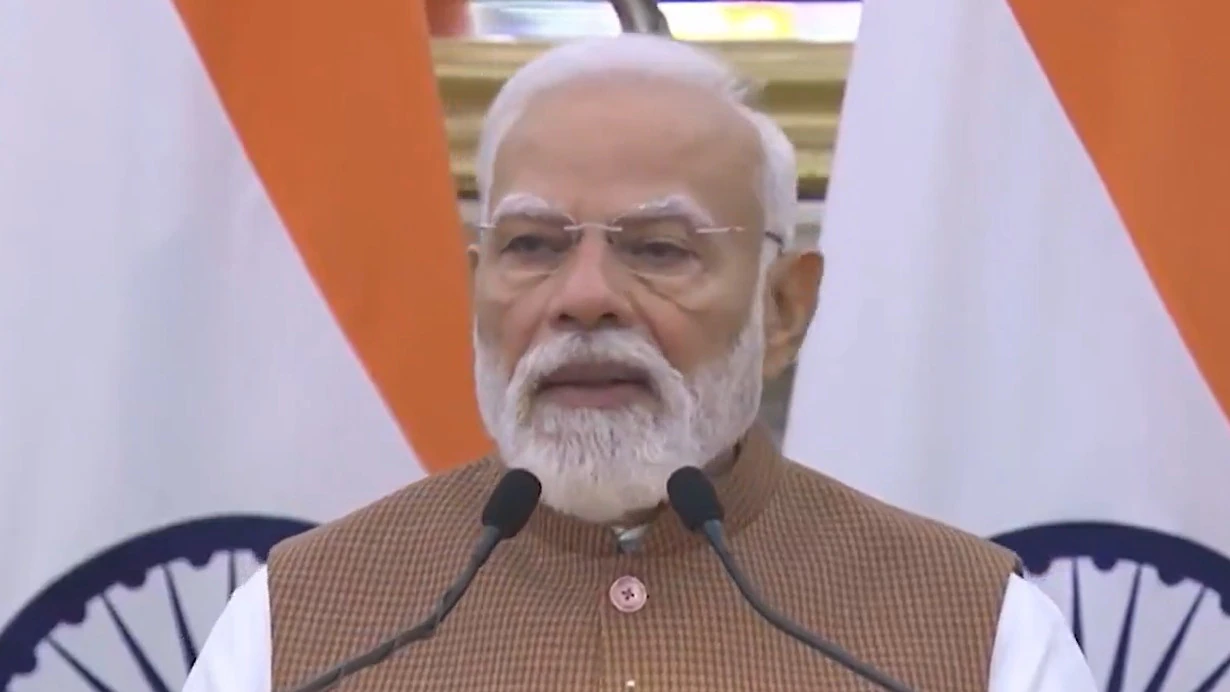
Prime Minister Narendra Modi has reportedly issued a series of critical directives to Union ministers as India prepares to manage the economic and geopolitical consequences emerging from the escalating conflict between the United States and Iran. The government’s response comes amid growing concerns over global energy prices, trade disruptions, inflationary pressure, and the broader impact of instability in the Middle East on India’s economy and strategic interests.
During high-level internal discussions, the Prime Minister is understood to have emphasized the need for constant vigilance, coordinated governance, and rapid response mechanisms across ministries. The instructions were aimed at ensuring that India remains prepared for any fallout resulting from worsening tensions in West Asia, a region that remains vital for India’s energy imports, expatriate workforce, and maritime trade routes.
Three Key Messages from the Prime Minister
According to officials familiar with the discussions, the Prime Minister conveyed three major priorities to ministers.
The first message focused on preparedness and monitoring. Ministries dealing with petroleum, finance, commerce, external affairs, shipping, and civil aviation have reportedly been asked to maintain close surveillance on developments in the region. Officials are expected to track fluctuations in crude oil prices, disruptions in supply chains, shipping risks, and possible effects on imports and exports.
The second directive centered on economic stability. The Prime Minister is said to have instructed ministries to ensure that inflationary pressures remain under control and that essential commodities do not witness sharp price increases. Rising global crude prices often have a direct impact on fuel costs, transportation expenses, and household inflation in India. The government is therefore expected to carefully evaluate policy interventions if international markets become volatile.
The third message stressed coordinated communication and public confidence. Ministers have reportedly been advised to avoid speculation, maintain policy clarity, and reassure industries as well as citizens that the government is actively monitoring the situation. Officials are expected to provide regular updates and ensure that panic-driven narratives do not affect economic sentiment or market stability. 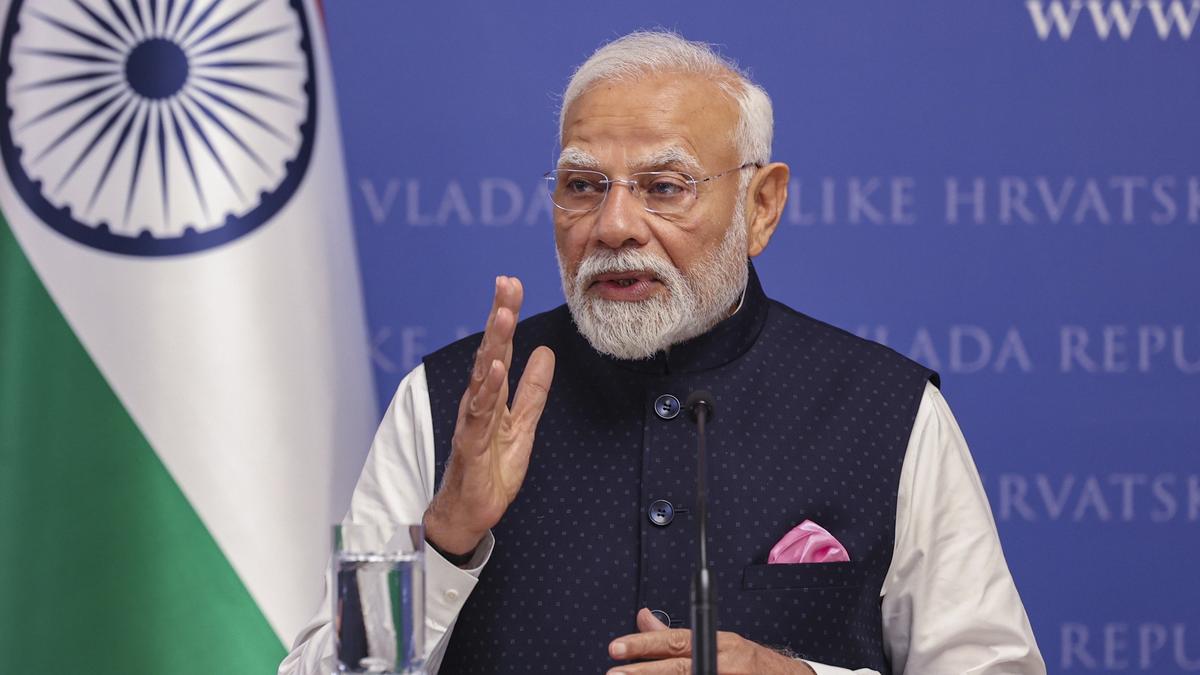
India’s Concerns Over Rising Oil Prices
India remains one of the world’s largest importers of crude oil, making any conflict in the Middle East particularly significant for the country’s economy. Escalation between the United States and Iran has already triggered concerns in global energy markets, with analysts warning that prolonged instability could push oil prices substantially higher.
A sharp increase in crude oil prices would likely affect India’s fiscal calculations, increase fuel import costs, widen the trade deficit, and place additional pressure on inflation. Economists have also warned that higher energy prices could impact manufacturing, transportation, and consumer spending if the crisis continues for an extended period.
Government officials are reportedly evaluating contingency measures to cushion the economy from external shocks. These may include strategic fuel reserve planning, supply diversification, and close coordination with energy companies and international partners.
Strategic Importance of the Middle East for India
The Middle East remains crucial to India not only because of energy dependence but also due to the presence of millions of Indian expatriates living and working across Gulf nations. Any escalation in regional conflict raises concerns regarding the safety of Indian citizens abroad, remittance flows, and the stability of trade corridors connecting Asia, Europe, and Africa.
India has traditionally maintained balanced diplomatic relations with both the United States and Iran. New Delhi has consistently emphasized dialogue, regional stability, and peaceful resolution of conflicts. Diplomatic observers believe India will continue pursuing a cautious and strategic approach while protecting its national interests. 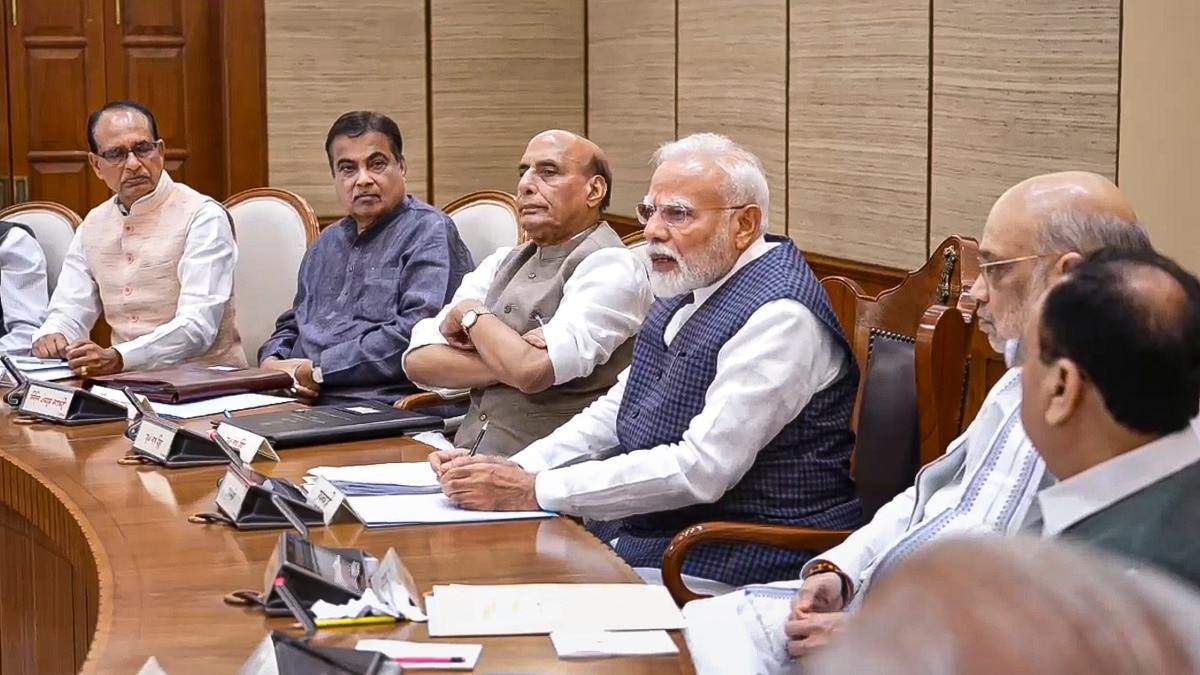
Economic Ministries on High Alert
Senior officials from multiple ministries are believed to be conducting regular assessments of the evolving situation. Financial regulators and economic advisors are also monitoring market sentiment, currency fluctuations, and investment trends amid global uncertainty.
Industry leaders have expressed concern that any prolonged conflict could affect shipping insurance costs, international freight movement, and investor confidence. Sectors heavily dependent on imported energy may face operational challenges if geopolitical tensions intensify further.
The Reserve Bank of India and financial authorities are also expected to remain watchful regarding inflation management and capital market stability. Analysts believe coordinated policy responses may become necessary if global volatility increases sharply.
Government Seeks to Prevent Panic
Sources indicate that the Centre is keen to project stability and preparedness while avoiding alarmist messaging. Ministries have reportedly been instructed to maintain smooth inter-departmental coordination and ensure that contingency planning remains active across sectors linked to trade, fuel, transportation, and foreign affairs.
Political observers note that the government’s swift internal consultations reflect concerns over how international conflicts increasingly influence domestic economic conditions. With India aiming to maintain growth momentum amid global uncertainty, policymakers are likely to prioritize economic resilience and supply-chain continuity in the coming weeks.
As geopolitical tensions continue to evolve, India’s leadership appears focused on balancing diplomatic caution with economic preparedness, ensuring that the country remains insulated as much as possible from the wider fallout of the US-Iran confrontation.