
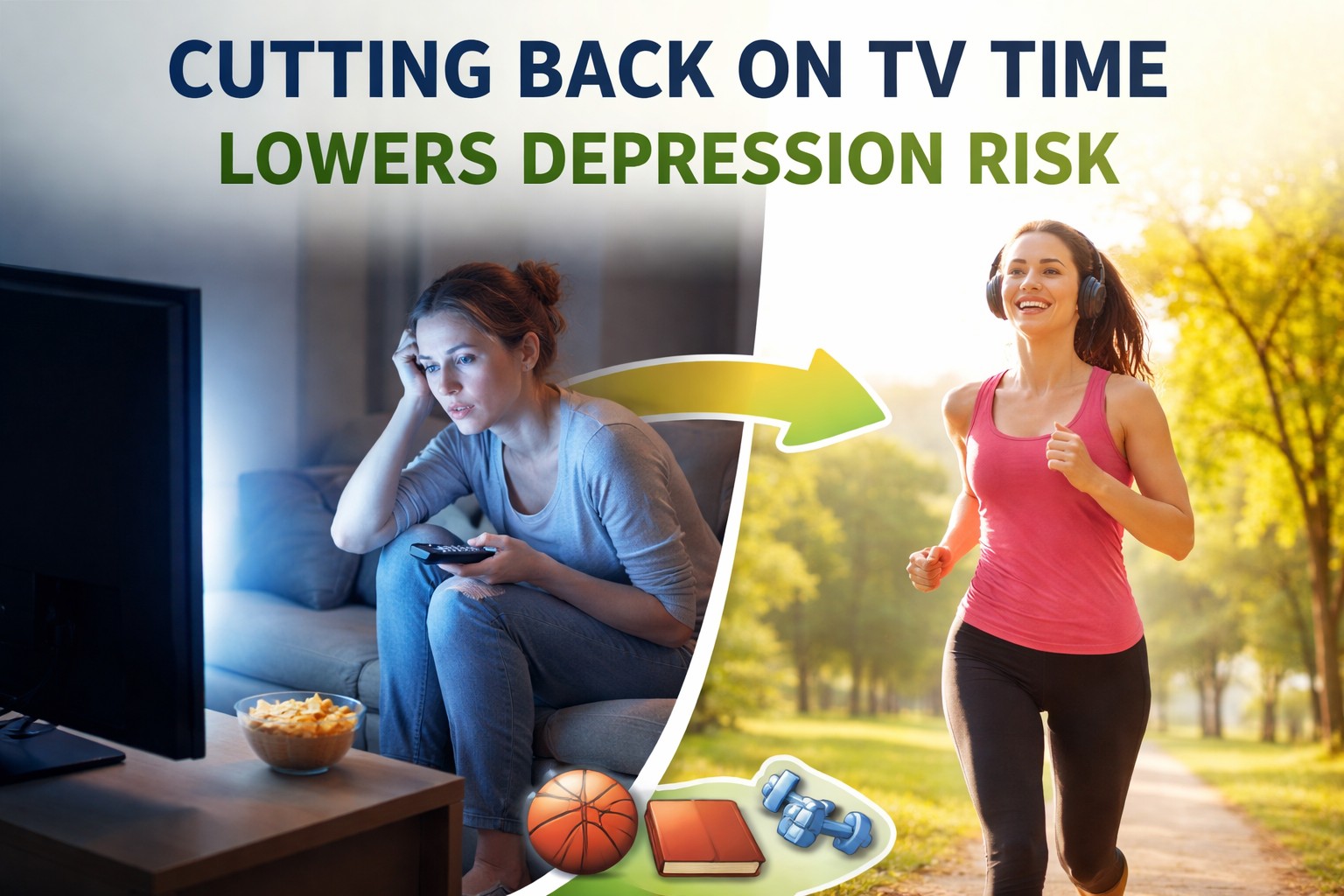
Reducing the amount of time spent watching television could play a powerful role in protecting mental health, with new research indicating that cutting back on TV viewing may lower the risk of depression by nearly 40 percent.
The study, conducted by an international team of researchers, highlights the growing mental health implications of prolonged sedentary screen habits, particularly passive activities such as extended television watching. According to the findings, individuals who significantly reduced their daily TV time experienced markedly lower rates of depressive symptoms over time compared to those who continued high levels of viewing.
Key Findings of the Study
Researchers tracked the lifestyle habits and mental health outcomes of thousands of adults over an extended period. Participants were grouped based on the number of hours they spent watching television each day. Those who limited their viewing time to minimal or moderate levels showed substantially better mental health outcomes than those who watched TV for several hours daily.
The analysis revealed that individuals who replaced prolonged television viewing with physical activity, social engagement, or other mentally stimulating tasks demonstrated the greatest reduction in depression risk. In contrast, excessive TV consumption was consistently associated with higher levels of emotional distress, low mood, and social withdrawal.
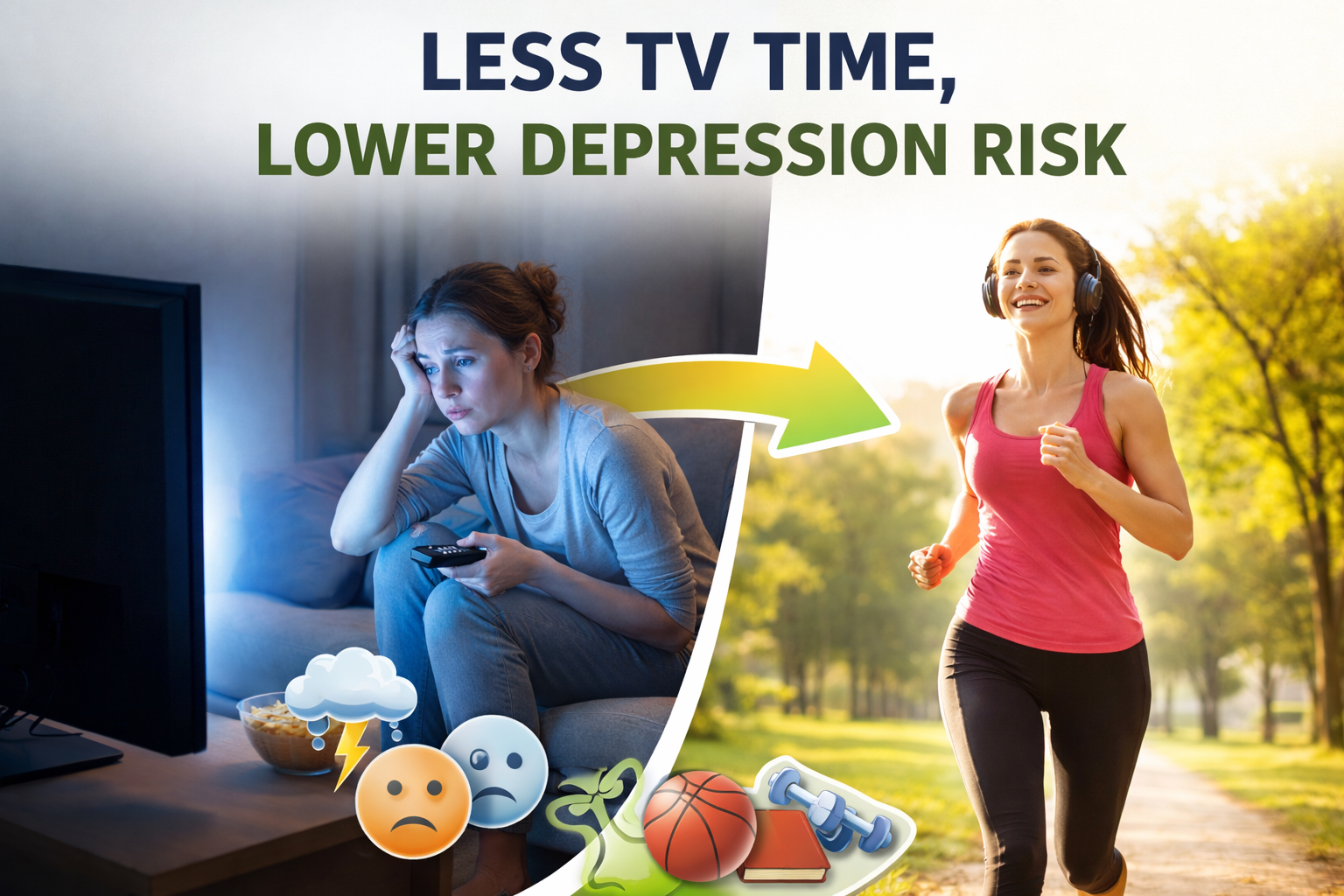
Why Television Time Matters
Experts involved in the research explained that television viewing is often a passive behavior that discourages movement, social interaction, and cognitive engagement. Long hours spent in front of screens may also disrupt sleep patterns, reduce exposure to daylight, and increase feelings of isolation—all known risk factors for depression.
Unlike interactive screen activities, television watching requires minimal mental effort and often becomes habitual, making it easier for individuals to disengage from healthier routines. Over time, this pattern can negatively affect emotional well-being.
Replacing Screen Time with Healthier Habits
The study emphasizes that the mental health benefits were most pronounced when TV time was replaced—not merely reduced. Activities such as walking, exercise, reading, creative hobbies, or face-to-face social interactions showed a protective effect against depressive symptoms.
Researchers stressed that even modest reductions in daily television time, such as cutting back by one to two hours, could produce meaningful mental health benefits when paired with active alternatives.
Implications for Public Health
Mental health professionals say the findings carry important implications for public health strategies, especially as screen usage continues to rise globally. Encouraging individuals to reassess daily screen habits could serve as a low-cost, accessible intervention to support emotional well-being.
The researchers noted that while television itself is not inherently harmful, moderation is crucial. Mindful viewing habits, scheduled breaks, and prioritizing movement and social connection may help mitigate the mental health risks associated with prolonged screen exposure.
A Simple Lifestyle Shift with Big Impact
As depression rates continue to increase worldwide, the study underscores the role of everyday lifestyle choices in mental health prevention. Cutting back on television time—particularly when replaced with physical or social activities—may offer a practical and effective way to reduce depression risk and improve overall quality of life.
Health experts recommend viewing television as one component of leisure time rather than a default daily routine, encouraging a more balanced approach to screen use in modern life.
Leave a Reply