
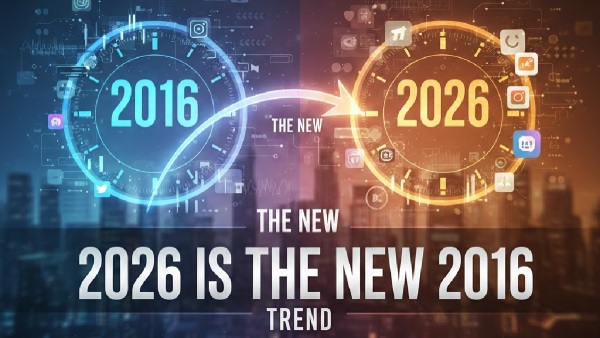
A powerful wave of nostalgia is sweeping across social media platforms as users declare “2026 is the new 2016,” reviving memories, aesthetics, and digital habits from a decade ago. The trend has gained massive traction, with millions revisiting old photos, recreating vintage filters, and embracing the visual and emotional language of the mid-2010s. What began as a playful observation has evolved into a global digital movement reflecting a collective longing for a simpler and more personal internet experience.
From grainy photographs and retro camera effects to classic captions and throwback music, the digital atmosphere of 2016 is being recreated with enthusiasm. Users are sharing screenshots of their early social media profiles, posting old selfies, and experimenting with styles that defined the early days of visual storytelling online.
How the Trend Took Shape
The phrase “2026 is the new 2016” gained popularity as users noticed striking similarities between the emotional tone of the present moment and the cultural mood of a decade earlier. As the idea spread, people began actively searching for old digital memories and sharing them under the theme of revisiting the past.
The trend is being driven by both everyday users and prominent influencers who have joined in by posting decade-old photos, personal reflections, and recreated versions of their early content. Their participation has given the movement visibility and accelerated its reach, transforming it into a defining cultural moment of 2026.
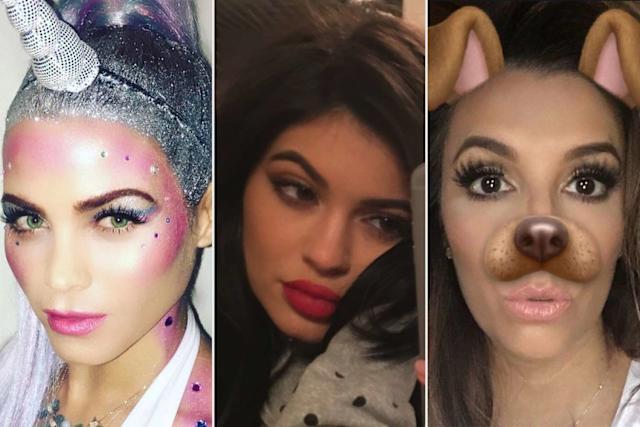
Why 2016 Holds Such Strong Appeal
For many, 2016 represents a turning point in digital culture. It was a time when social media felt more spontaneous and less governed by algorithms, advertising strategies, and professional branding. Content was often more personal, imperfect, and emotionally expressive.
For millennials and older members of Gen Z, 2016 marks a formative period of life associated with school, early careers, friendships, and self-discovery. Revisiting this era evokes a sense of comfort and emotional security, especially in contrast to the highly polished and competitive nature of today’s online environment.
The Emotional Power of Digital Nostalgia
Digital nostalgia plays a strong psychological role. It provides a way for people to reconnect with earlier versions of themselves and reflect on personal growth. In times of social and technological fatigue, nostalgia acts as an emotional anchor, helping users feel grounded and connected to shared experiences.
By returning to older formats, users are also reclaiming control over their digital identity, choosing authenticity over perfection and memory over metrics.
A Revival of Internet Aesthetics
The trend goes beyond images. It has inspired:
- The return of vintage filters and low-resolution visuals
- Throwback music playlists from the mid-2010s
- Reuse of classic meme formats
- Fashion inspired by 2016 street style
- Old-style captions and emojis
This revival reflects a broader cultural interest in reinterpreting the past rather than constantly chasing the future.
Cultural and Social Significance
Experts observe that the trend highlights how internet culture moves in cycles. Just as fashion and music revisit older eras, digital expression now follows the same pattern. The revival of 2016 shows how deeply digital history is tied to emotional memory and collective identity.
It also reflects a shift in how users view social media. Instead of treating it only as a platform for visibility or validation, people are using it as a space for reflection, connection, and storytelling.
What This Means for the Future
The popularity of the “2026 is the new 2016” trend suggests that nostalgia-driven content will continue shaping digital culture. Platforms may see more demand for tools that recreate retro effects, simplified designs, and memory-based content features.
Whether this trend evolves into a lasting digital subculture or fades as another viral phase, it underscores the growing desire for authenticity in an increasingly automated online world.
Conclusion
“2026 is the new 2016” is more than a trend—it is a cultural reflection. It shows how social media users are reconnecting with their digital past to find meaning in the present. By embracing older aesthetics and memories, the online community is redefining what it means to engage, remember, and belong in the modern digital era.
Leave a Reply