
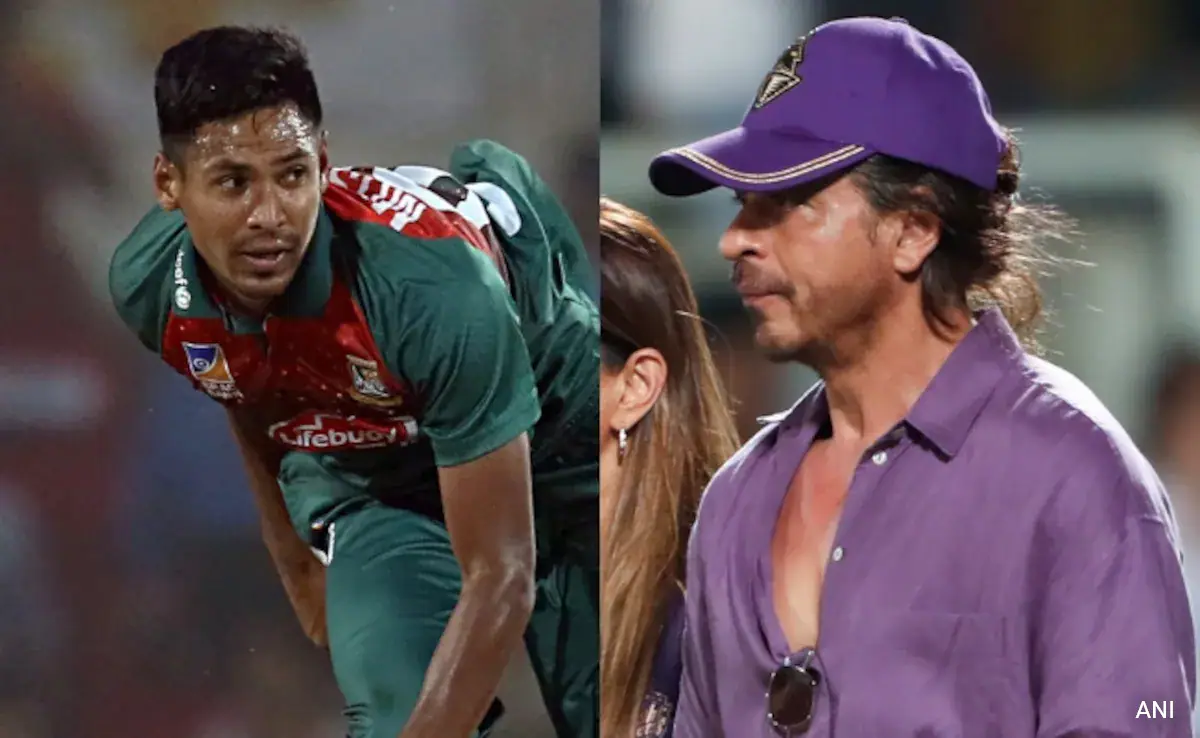
A fresh controversy involving Bollywood superstar Shah Rukh Khan and Bangladesh fast bowler Mustafizur Rahman has once again brought the spotlight on the ownership and decision-making structure of the Kolkata Knight Riders (KKR), one of the most high-profile franchises in the Indian Premier League (IPL).
The issue gained traction after social media discussions and public commentary began linking Shah Rukh Khan directly to cricketing decisions concerning Mustafizur Rahman. The narrative, however, has sparked a wider debate about how IPL franchises operate and whether it is accurate to attribute sporting or administrative decisions to a single prominent face associated with a team.
KKR Ownership: More Than a Celebrity Face
While Shah Rukh Khan is the most visible and recognisable figure linked to KKR, the franchise is not run by one individual alone. KKR operates under a multi-stakeholder ownership model that includes business partners and corporate entities, with structured management and cricketing operations handled by professionals.
Team decisions—ranging from player selection and auction strategy to overseas recruitment—are typically made by a combination of the franchise management, cricket operations team, coaching staff, and scouts. These decisions follow internal evaluations, performance data, team balance requirements, and long-term planning rather than personal preferences.
Industry insiders point out that celebrity owners, despite their influence and brand value, are not directly involved in technical cricketing calls. Their role is largely strategic, promotional, and advisory, while day-to-day sporting decisions remain in the hands of cricket experts.

Mustafizur Rahman and the Debate
Mustafizur Rahman, known for his variations and experience in T20 leagues worldwide, has been a topic of discussion in relation to KKR amid speculation over player opportunities and franchise choices. The controversy appears to stem from assumptions that Shah Rukh Khan personally influenced matters related to the Bangladeshi pacer.
However, sources close to franchise operations suggest that such assumptions oversimplify the realities of team management. Player signings, releases, and match selections are guided by form, team composition, conditions, and tactical needs rather than individual owner involvement.
Social Media Narratives vs Ground Reality
The episode also highlights how social media narratives can quickly shape public perception, especially when high-profile personalities are involved. Shah Rukh Khan’s global popularity often places him at the centre of discussions related to KKR, even when decisions are made collectively within the franchise’s professional structure.
Cricket analysts have cautioned against personalising franchise decisions, noting that IPL teams function more like corporate sporting entities than privately run clubs driven by a single owner’s will.
A Broader Lesson for IPL Discourse
The controversy serves as a reminder of the complex ecosystem behind IPL franchises. While celebrity ownership adds glamour and commercial appeal, the sporting side of operations remains deeply professional and system-driven.
As the IPL continues to grow as a global sporting product, understanding the distinction between public-facing ownership and internal cricketing governance becomes increasingly important. For KKR, the latest debate reinforces the reality that the franchise’s decisions are shaped by collective strategy rather than the influence of one celebrated name alone.
In the end, the Shah Rukh Khan–Mustafizur Rahman discussion reflects more about public perception than operational truth, underlining the need for informed discourse around team management in modern cricket.
Leave a Reply