
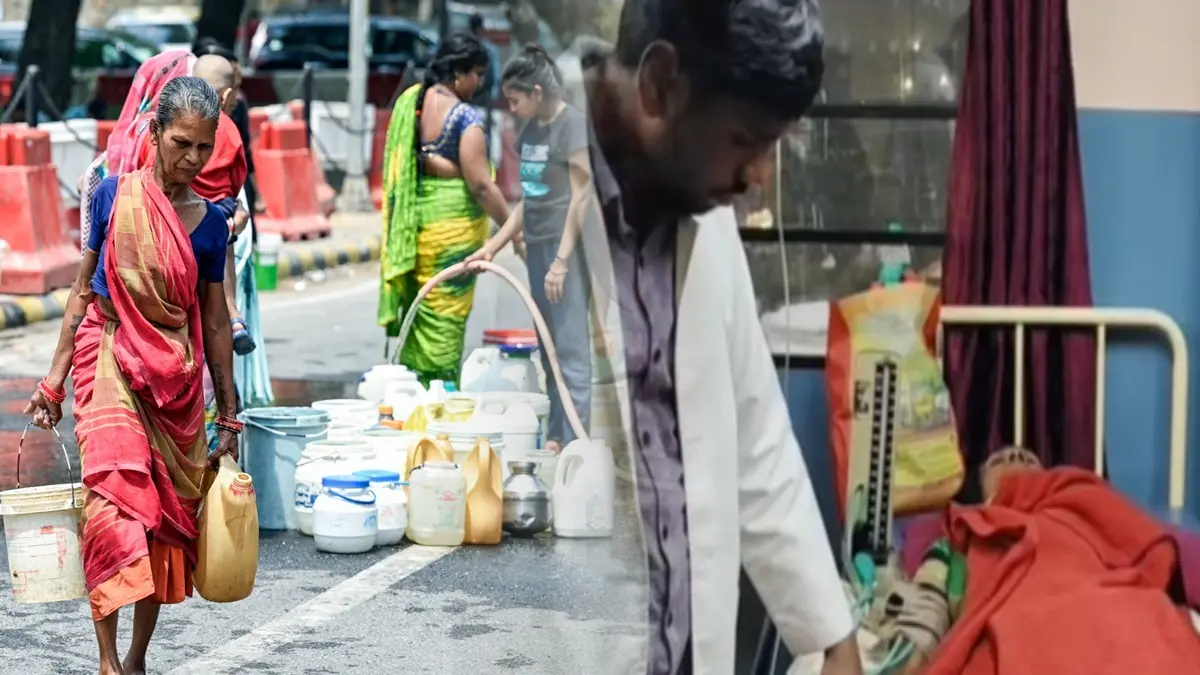
A laboratory investigation has confirmed that contaminated drinking water was the primary cause behind a deadly outbreak of diarrhoea and vomiting in Indore, which led to the deaths of nine people and left hundreds ill. The findings have brought renewed focus on civic infrastructure failures and delayed administrative response in the affected locality.
The incident occurred in the Bhagirathpura area, where residents began reporting sudden cases of severe diarrhoea, vomiting, dehydration and abdominal pain. What initially appeared to be isolated health complaints quickly escalated into a large-scale public health emergency as hospitals reported a sharp surge in patients from the same neighbourhood.
What the Lab Report Revealed
According to officials, laboratory tests conducted on water samples collected from the affected area confirmed the presence of harmful bacteria linked to sewage contamination. The report established that sewage water had mixed with the drinking water supply due to a damaged underground pipeline.
Preliminary investigations revealed that a leaking water pipeline ran close to a toilet structure, allowing waste water to seep into the potable water line. The contamination went undetected for several days, during which residents continued to consume the polluted water, leading to rapid spread of illness.
Health experts stated that the bacteria identified are known to cause acute gastrointestinal infections, particularly dangerous for children, elderly persons and those with weak immunity.
Scale of the Outbreak
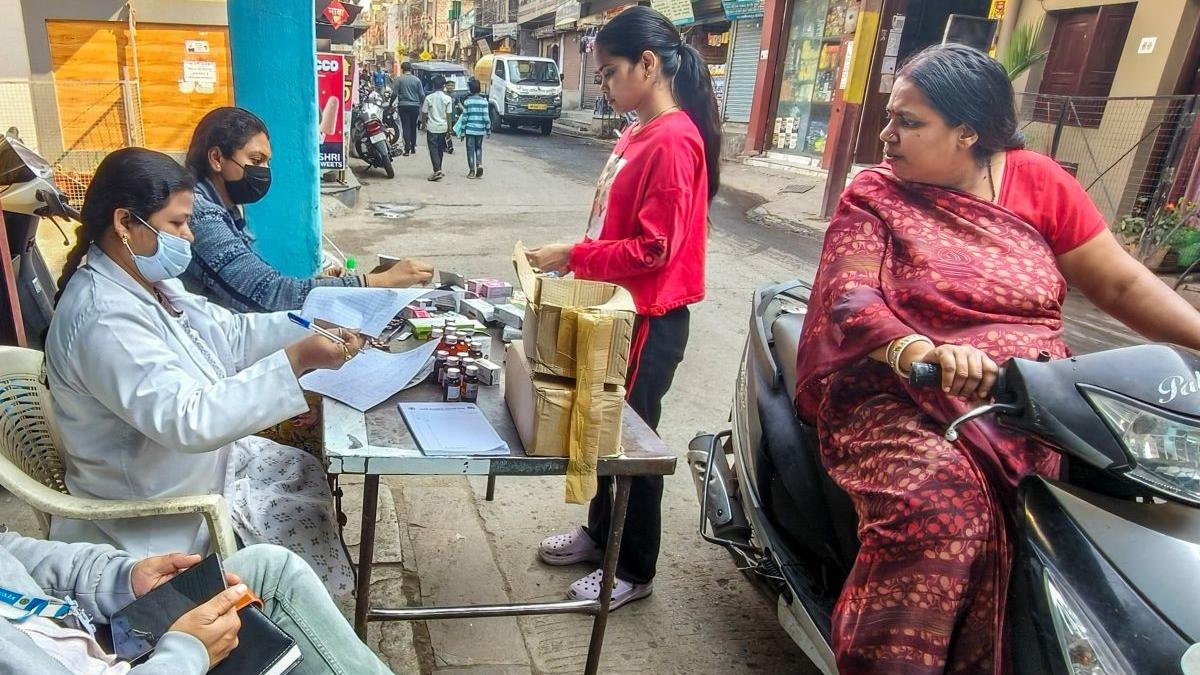
Authorities conducted door-to-door surveys covering over 1,700 households and more than 8,500 residents. The survey found that over 2,400 people had experienced symptoms associated with water-borne infection. While many patients were treated at home or at temporary medical camps, several hundred required hospitalisation.
The confirmed death toll stands at nine. Officials noted that the victims succumbed mainly to severe dehydration and complications arising from delayed treatment.
Administrative Response
Following confirmation of water contamination, civic authorities immediately shut down the affected water supply lines and carried out repairs. Clean water tankers were deployed in the area, and residents were advised to boil drinking water as a precautionary measure.
Emergency medical camps were set up, and additional doctors and paramedical staff were deployed to manage the situation. Hospitals were instructed to provide free treatment to all affected residents.
The state government described the situation as “serious and alarming” and assured strict action against officials found responsible for negligence. Compensation has been announced for the families of the deceased, and the cost of medical treatment for affected residents is being borne by the administration.
Questions Over Civic Negligence
The tragedy has raised serious questions about civic oversight, especially as residents claimed they had complained earlier about foul-smelling and discoloured water. Allegations of delayed action and inadequate monitoring of water pipelines have intensified public anger.
The incident has also drawn attention to the vulnerability of older urban infrastructure and the need for regular inspections, especially in densely populated areas.
Way Forward
Authorities have ordered a comprehensive audit of water pipelines and sewage systems across the city to prevent similar incidents in the future. Long-term measures, including stricter safety protocols and faster response mechanisms for water contamination complaints, are being planned.
As Indore grapples with the aftermath of the tragedy, the incident serves as a stark reminder of the critical importance of safe drinking water and accountable civic governance to protect public health.
Leave a Reply