

As India steps into 2026, a series of significant financial and regulatory changes will come into force from January 1, directly influencing household expenses, borrowing costs, and everyday banking. These updates span fuel pricing, credit systems, loan interest rates, and digital finance, making it crucial for consumers to understand how their monthly budgets may be affected.
CNG and PNG Price Revision to Ease Fuel Burden
One of the most consumer-friendly changes expected in 2026 relates to Compressed Natural Gas (CNG) and Piped Natural Gas (PNG) pricing.
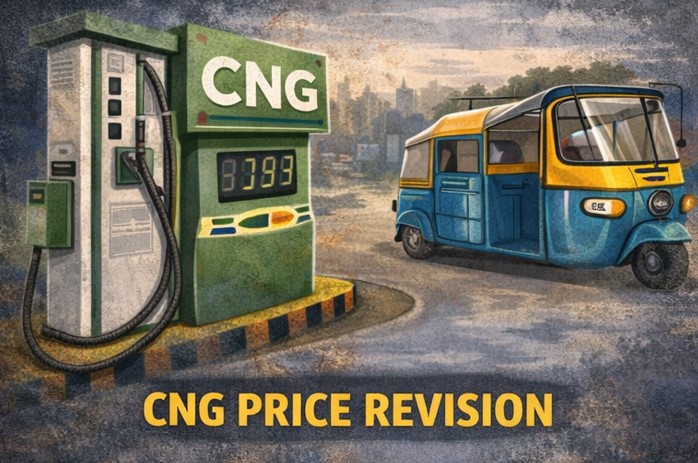
Under a revised gas transmission tariff framework, CNG and PNG prices are likely to become more affordable, particularly in urban areas where these fuels are widely used for transportation and cooking. The move is aimed at creating uniformity in pricing and encouraging cleaner fuel adoption, potentially reducing transport and household energy costs.
Loan Interest Rates and Faster Credit Score Updates
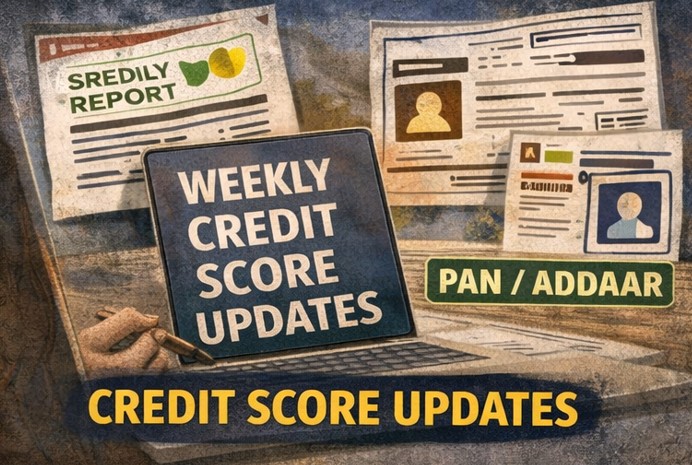
From January 1, 2026, changes in the credit reporting system will ensure more frequent updates to individual credit scores. Instead of periodic updates, credit information is expected to be refreshed on a weekly basis. This means borrowers who maintain disciplined repayment habits could see faster improvements in their credit profiles, while missed payments may impact eligibility more quickly.
Alongside this, revised lending rates introduced by banks and financial institutions are expected to influence home loans, personal loans, and auto loans. Depending on market conditions, borrowers may either benefit from reduced EMIs or face revised repayment schedules.
Stricter Banking and Compliance Norms
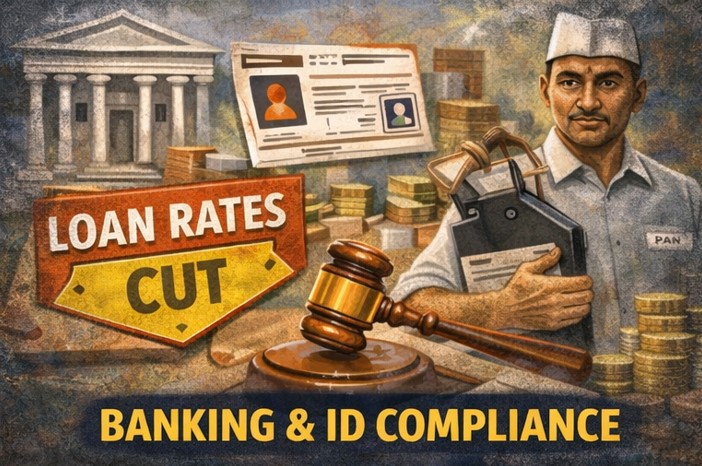
Banking compliance requirements will tighten further in 2026. Customers will need to ensure that essential identification and verification processes are fully completed to avoid disruptions in services. These measures are designed to strengthen transparency, curb financial misuse, and improve system-wide security across banks and digital platforms.
Digital Payments and Fraud Prevention Measures
With digital transactions becoming central to everyday life, new safeguards are set to be implemented across payment platforms. Enhanced verification protocols and fraud-monitoring systems aim to protect users from cybercrime and unauthorized transactions, making digital payments more secure but slightly more compliance-driven for users.

Impact on Salaries, Allowances, and Household Spending
Government employees and pensioners may see revisions in salaries and allowances in 2026, helping offset inflationary pressures. At the same time, changes in fuel, banking, and loan rules will collectively influence household spending patterns, with some expenses easing while others become more regulated.
What Consumers Should Do
Financial experts advise individuals to review their loan agreements, monitor credit scores regularly, and ensure banking documentation is up to date before the new rules take effect. Planning ahead can help households adapt smoothly and take advantage of cost-saving opportunities where available.
Outlook for 2026
The financial rule changes taking effect from January 1, 2026, reflect a broader shift toward transparency, digital efficiency, and consumer protection. While some adjustments may require greater compliance, others are expected to provide tangible relief to households. As these rules roll out, informed financial planning will be key to managing expenses and making the most of the evolving economic landscape.
Leave a Reply