
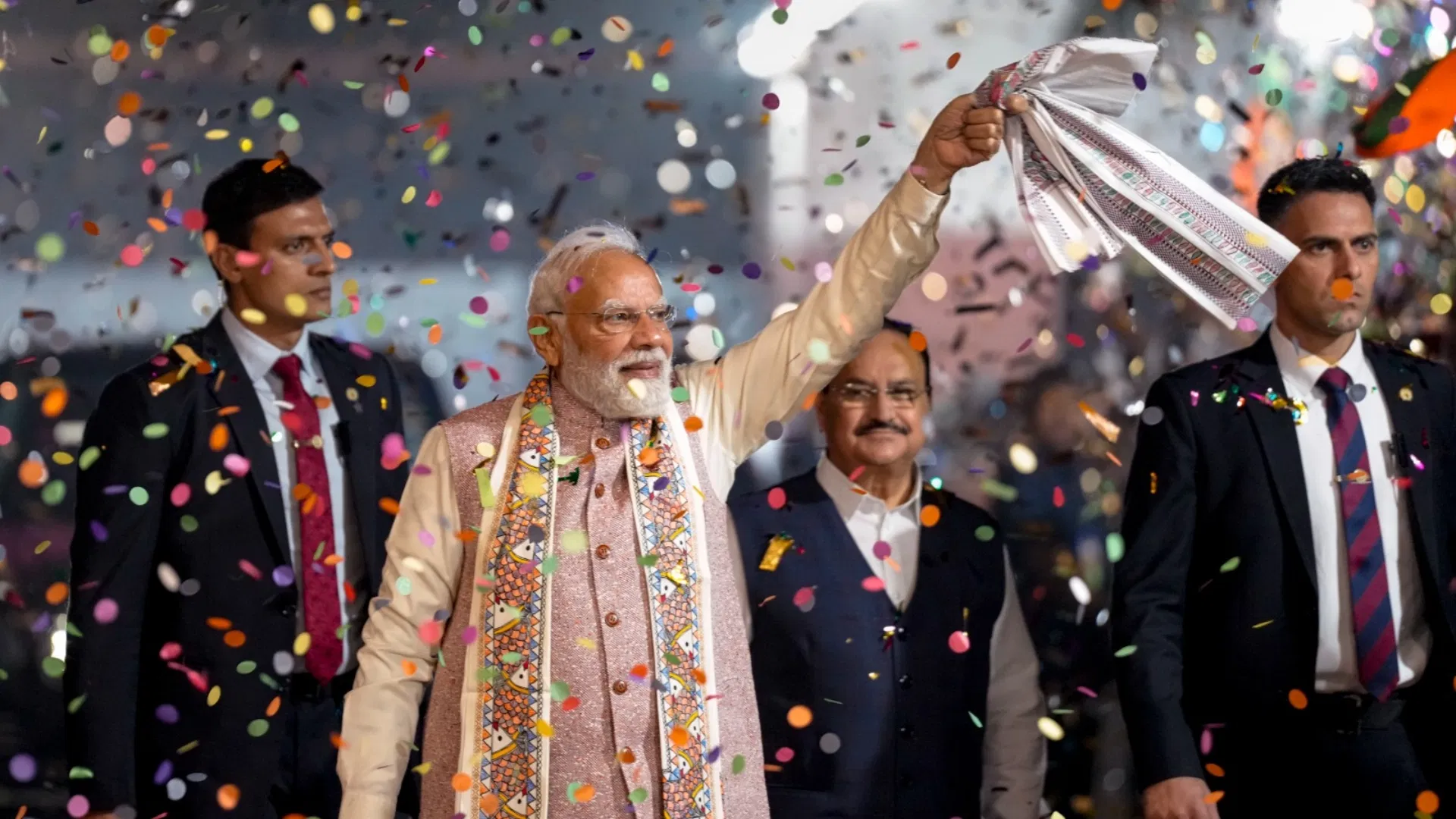
In one of the most decisive mandates in the state’s electoral history, the National Democratic Alliance (NDA) has swept the 2025 Bihar Assembly elections, winning 202 out of 243 seats. The landslide victory has reshaped Bihar’s political balance and reaffirmed the ruling coalition’s organisational strength, strategic cohesion, and ground-level penetration.
The results mark the NDA’s strongest performance since 2010, with all major allies significantly improving their tallies. The outcome has left the Mahagathbandhan severely weakened, sparking internal turmoil and allegations of “vote theft” by some opposition parties.
NDA’s Performance: Comprehensive Seat-Wise Strength
The NDA crossed the critical 200-seat threshold, asserting dominance across rural, semi-urban, and urban constituencies.
Final NDA Seat Count
- BJP: 89 seats
- JD(U): 85 seats
- Lok Janshakti Party (Ram Vilas): 19 seats
- Hindustani Awam Morcha (Secular): 5 seats
- Rashtriya Lok Morcha: 4 seats
The alliance’s strong performance reflects successful booth-level management, coordinated messaging, and widespread resonance of the NDA’s welfare schemes among women, youth, backward communities, and self-help groups.
Mahagathbandhan’s Underwhelming Showing
The Mahagathbandhan was unable to convert its campaign momentum into seats, with significant losses across traditional strongholds.
Opposition Seat Count
- RJD: 25 seats
- Congress: 6 seats
- CPI (ML)-Liberation: 2 seats
- CPI(M): 1 seat
- Indian Inclusive Party (IIP): 1 seat
- Bahujan Samaj Party (BSP): 1 seat
- AIMIM: 5 seats
The alliance’s fragmented messaging, organisational weaknesses, and limited appeal beyond existing vote banks contributed to its poor performance.
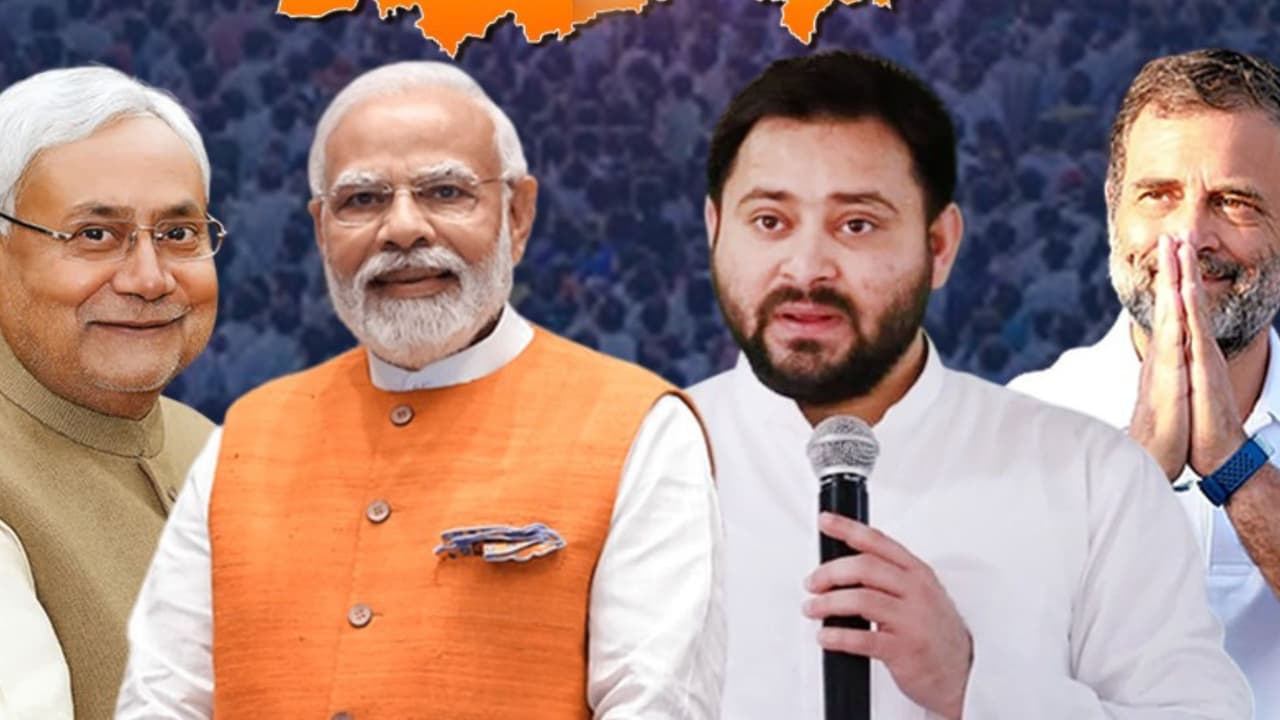
Key Winners Across Major Constituencies
While a complete constituency-by-constituency listing would be extensive, the following highlights capture some of the major and high-profile victories across the state:
Prominent Winners
- Nitish Kumar (JD(U)) – Strengthened his position as Chief Minister with his party’s strong performance.
- Chirag Paswan (LJP-RV) – Led his party to a powerful comeback, securing 19 seats and enhancing his stature within the NDA.
- Renu Devi (BJP) – Registered a significant win from Bettiah, marking her seventh electoral victory and reinforcing BJP’s hold in the region.
- Maithili Thakur (BJP) – The singer-turned-politician won the Alinagar seat, symbolising the party’s growing appeal among youth and first-time voters.
- Tejashwi Yadav (RJD) – Retained the Raghopur seat, but could not help his alliance secure a competitive tally.
Select Constituency-Level Highlights
- The NDA registered sweeping victories in regions such as Seemanchal, Mithilanchal, Magadh, and parts of Bhojpur.
- AIMIM strengthened its presence in Purnea, Kishanganj, and adjoining districts.
- The Congress registered isolated wins mainly in urban clusters and long-standing pockets of influence.
While not exhaustive, these highlights reflect statewide patterns in leadership appeal, caste equations, and local political dynamics.
Opposition Alleges ‘Vote Theft’
The Congress and some Mahagathbandhan partners have alleged large-scale irregularities, describing the outcome as a result of “vote chori.” Their claims primarily revolve around:
- Errors and deletions in electoral rolls
- Disenfranchisement of specific demographic groups
- Alleged lack of transparency in counting procedures
Election authorities have maintained that the process was strictly monitored and conducted as per established norms. Analysts argue that while minor discrepancies may occur, the magnitude of the NDA’s victory suggests broader voter support rather than manipulation.
Analysis: Why the NDA Won Big
1. Unified Coalition Strategy
The NDA’s coordinated seat-sharing, cohesive messaging, and disciplined campaign architecture allowed it to consolidate votes across regions.
2. Welfare-Oriented Governance
Policies focusing on women, youth employment, rural infrastructure, and health schemes played a decisive role in securing votes.
3. Lack of Opposition Cohesion
The Mahagathbandhan struggled with internal disagreements, inconsistent messaging, and weak grassroots mobilisation.
4. Ground-Level Mobilisation
The NDA effectively leveraged booth committees, party cadres, and local influencers to reach voters in remote pockets.
5. Fragmentation of Non-NDA Votes
Votes split among smaller parties prevented the Opposition from gaining momentum in tightly contested seats.
Political Implications and the Road Ahead
Stable Governance
With 202 seats, the NDA is well positioned to pursue long-term infrastructure, agriculture, and digital governance initiatives.
Intra-State Realignment
The result is expected to trigger realignment within regional parties, especially those that underperformed despite strong claims during campaigning.
National Impact
The verdict strengthens the NDA’s standing in the Hindi heartland and provides strategic advantages ahead of other upcoming state and national elections.
Opposition’s Challenge
The Mahagathbandhan faces an urgent need for structural reform, leadership recalibration, and ideological clarity to remain relevant in future contests.
Leave a Reply