

While sugar often takes the blame, the reality of Type 2 diabetes is far more complex. According to endocrinologists, excessive sugar intake is only part of the story — deeper and less visible factors such as chronic stress, irregular sleep, a sedentary lifestyle and hormonal or metabolic disorders are major contributors to developing the disease.
The deeper roots of diabetes
A leading endocrinologist explains that conventional wisdom which holds that sweets alone cause diabetes misses the mark: “Sugar isn’t the whole story. The real roots of diabetes lie in how we live, move, sleep, and even handle stress,” they say. While sweet food plays a role, the true mechanisms involve how your body processes insulin, how active you are, and how well you rest.
Insulin resistance
At the heart of many cases lies insulin resistance — a condition in which the body’s cells stop responding properly to insulin. This problem is often driven by excess weight, especially around the abdomen, minimal physical activity, and fat deposition in vital organs.
Genetics and hormonal factors
Family history and genetics matter. Though genes do not determine one’s fate, they “load the dice.” When someone is genetically predisposed and combine that with poor habits, the risk can multiply. Hormonal and metabolic disorders — such as polycystic ovary syndrome (PCOS), thyroid dysfunction and non-alcoholic fatty liver disease — further heighten the risk of diabetes.
Sedentary lifestyle
Long hours spent sitting — in front of screens or at desks — and minimal movement reduce muscle mass and lower the metabolic rate. Muscles are important “consumers” of glucose; weaker muscles or inactivity increase the chance of high blood sugar.

Sleep deprivation and stress
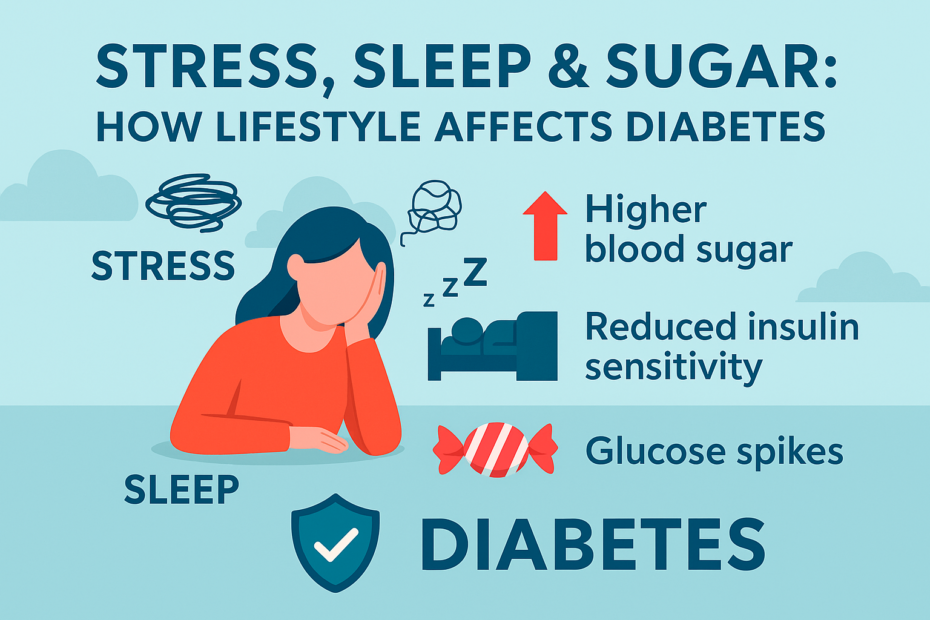
Perhaps one of the most under-appreciated influences is sleep and stress. Research shows that poor sleep quality or insufficient sleep can impair glucose metabolism and raise diabetes risk. Stress triggers the body’s “fight-or-flight” hormones — cortisol and adrenaline — which cause the liver to release extra glucose into the bloodstream, making blood-sugar control harder. Irregular sleep patterns, late bedtimes and chronic insomnia all contribute to insulin resistance and metabolic imbalance.
How lifestyle factors manifest
When these factors converge, they create a powerful cascade:
- Chronic stress elevates cortisol, pushing glucose into the bloodstream even when you haven’t eaten.
- Irregular sleep impairs hormonal cycles and worsens insulin sensitivity.
- Inactivity and excess fat — particularly visceral fat — raise risk of insulin resistance and type 2 diabetes.
- Hormonal disorders and metabolic imbalance remove the protective buffers the body might have had.
Put simply, diabetes is not a matter of a single bad habit but a constellation of inter-related factors.
Taking control: Practical guidance
Experts suggest a multifaceted approach to reducing diabetes risk:
- Regular exercise: Aim for at least 150 minutes a week of moderate-intensity activity — walking, cycling, or other muscle-engaging movements.
- Balanced diet: Focus on whole grains, lean proteins, colourful vegetables; minimise processed foods and added sugars.
- Good sleep hygiene: Prioritise 7–8 hours of sleep, maintain a consistent bedtime schedule, reduce screen time before bed and ensure a restful environment.
- Stress management: Incorporate relaxation, mindfulness, yoga or simple breathing exercises into daily life to lower cortisol and improve metabolic balance.
- Regular health checks: Monitor not just blood sugar but also blood pressure, cholesterol and waist circumference — early detection aids prevention.
Why this shift in understanding matters
Recognising that diabetes is more than “sugar overload” has broad implications:
- It shifts prevention from being about dieting alone to being about holistic well-being.
- It underscores the importance of mental health, sleep hygiene and movement as part of metabolic health.
- It helps reduce stigma: individuals often blame sweets alone, but the truth is complex and often involves social, occupational and lifestyle stressors.
Conclusion
As we mark global awareness events such as World Diabetes Day, it’s crucial to understand that managing or preventing diabetes demands more than avoiding sweets. It demands care for how we live — how we sleep, how we respond to stress, how much we move, and how we monitor our health. By focusing on the broader picture of well-being rather than single behaviours, individuals can better protect themselves from the silent, systemic forces that drive diabetes risk.
Leave a Reply