
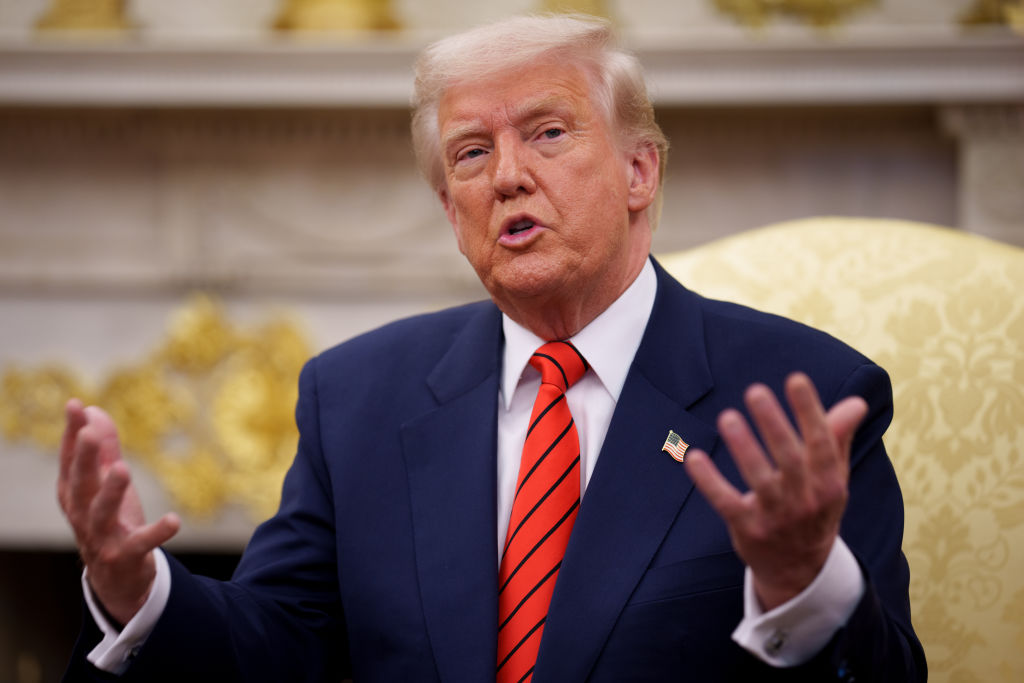
In a notable clarification of his administration’s stance on skilled immigration, U.S. President Donald Trump has acknowledged the importance of foreign-skilled workers under the H-1B visa programme. The President said that the United States “does not have certain talents” required in high-end industries, emphasising that foreign professionals continue to play a crucial role in sustaining the country’s technological and scientific competitiveness.
The remarks mark a significant nuance in Trump’s broader immigration approach, which has otherwise focused on tightening visa policies and restricting non-immigrant worker entries. His statement highlights the continuing reliance of American companies on global talent, particularly in the science, technology, engineering, and mathematics (STEM) sectors.
Background on Visa Restrictions
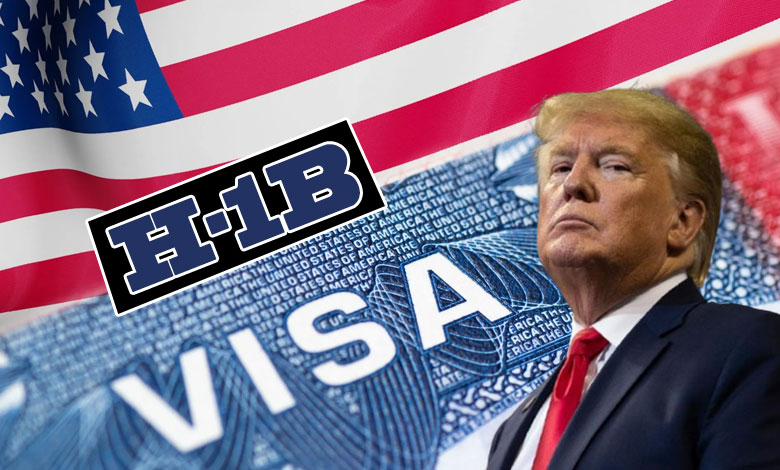
Earlier this year, the administration introduced a new policy imposing a one-time fee of $100,000 per H-1B visa petition, effective for a one-year period. The move was aimed at curbing what officials described as “excessive dependency” on foreign workers and preventing wage suppression among American employees. However, the measure drew criticism from several technology companies and industry leaders, who argued that the restrictions could hamper innovation and competitiveness.
President Trump’s latest comments appear to recognise this delicate balance. While reaffirming his administration’s commitment to prioritising American workers, he conceded that certain industries rely heavily on expertise that is not sufficiently available domestically.
Balancing Protectionism and Competitiveness
The President’s statement reflects an ongoing policy dilemma — protecting U.S. jobs while ensuring that American businesses maintain their global edge. By acknowledging the role of international professionals, the administration signals that it does not intend to eliminate the H-1B programme altogether but to regulate it more strictly to ensure fair use.
Under the new framework, companies are expected to demonstrate that H-1B applicants possess highly specialised skills unavailable within the U.S. labour market. The administration also aims to prioritise higher-wage and higher-skill categories, reducing cases where the visa programme might be used to replace domestic workers at lower costs.
Implications for Key Stakeholders
For U.S. employers and the technology sector:
Companies that depend on advanced engineering, data science, and research talent view the President’s remarks as a sign of cautious optimism. While visa restrictions remain in place, the recognition of ongoing skill shortages suggests that pathways for essential foreign talent may stay open under stricter compliance.
For foreign professionals, especially from India:
Indian nationals form the largest group of H-1B recipients each year. The President’s comments may reassure potential applicants that skilled immigration remains valued in the U.S. economy, though the process may now involve higher scrutiny and costs.
For domestic workers and labour advocates:
The administration maintains that the new visa framework is designed to prevent misuse and safeguard American jobs. Labour groups have largely supported measures that discourage underpayment or overreliance on foreign labour while urging continued transparency in the programme’s implementation.
The Bigger Picture
The President’s remarks underscore a broader reality: that innovation-driven economies rely heavily on cross-border collaboration and international expertise. The United States remains a hub for global research and development, and the H-1B visa system plays a vital role in attracting top talent.
However, competition for skilled professionals has intensified globally, with countries such as Canada, the United Kingdom, and Australia actively reforming their immigration systems to attract similar talent. Analysts believe that how the U.S. manages this balance between protectionism and openness will shape its technological leadership in the coming decade.
Looking Ahead
As the administration moves forward with its revised visa policies, key aspects to watch include:
- The extent of exemptions or prioritisation for highly skilled professionals.
- Industry feedback on the economic impact of increased visa costs.
- The response from Congress and potential legal challenges to the new fee structure.
- How these policies influence the flow of international students and skilled workers to the United States.
President Donald Trump has justified the continued need for H-1B visa workers, acknowledging that the United States lacks certain specialised skills in key industries. His statement suggests a more nuanced approach to immigration policy—maintaining stricter visa regulations while recognising the importance of foreign talent to the nation’s innovation and competitiveness.
Leave a Reply