
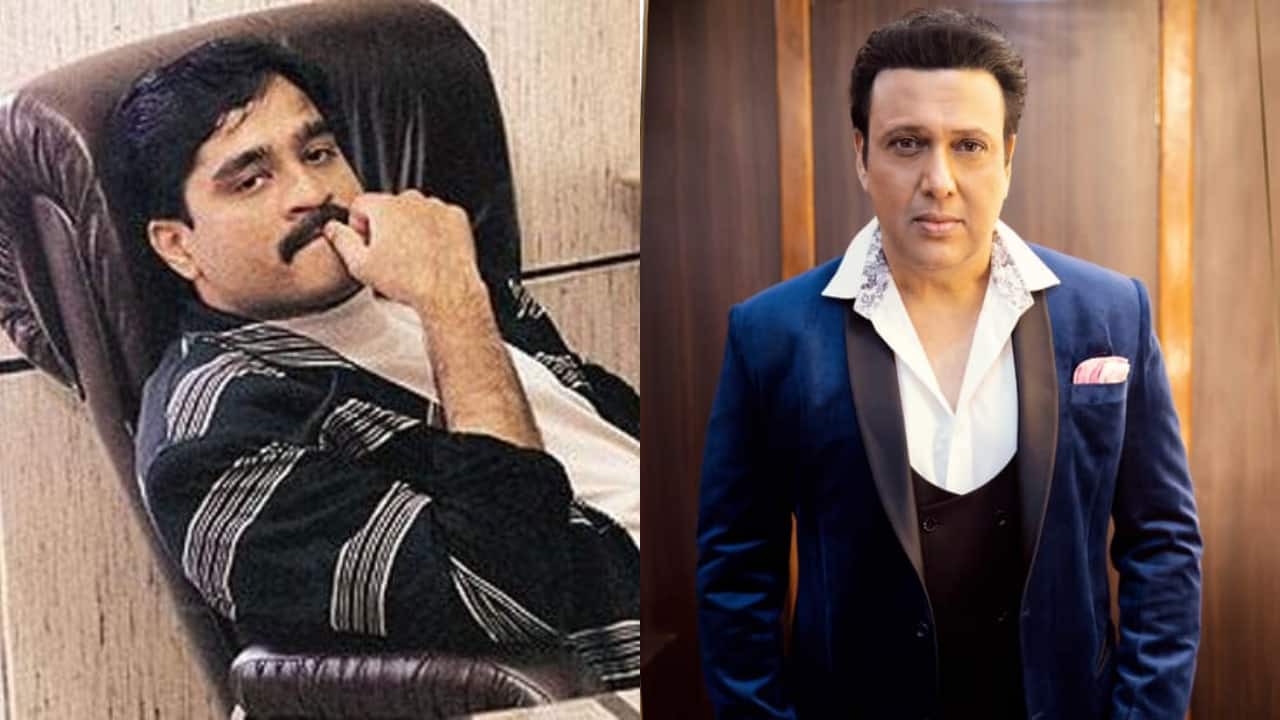
A startling revelation by former IPS officer D. Sivanandhan has cast fresh light on the extensive influence of underworld figures within the Bollywood film industry during the 1980s and 1990s. He disclosed that prominent Bollywood actors and musicians were coerced into performing at private underworld-run events — including the wedding of the daughter of notorious gangster Dawood Ibrahim.
Sivanandhan’s account places the incident in a context where refusal by industry personalities was not really an option. He described how a top Bollywood actor admitted to attending the event under culpable pressure, remarking, “Hum kya karein? Jaake naach ke aayein hai” (“What can we do? We went and danced”). This statement underscores the climate of fear and control that permeated the industry at the time.
The Wedding Show That Was Not Just a Celebration
According to the former police chief, a special flight carried scores of actors and musicians to a lavish venue for the wedding event of Dawood Ibrahim’s daughter. The guest list, he said, included around 80-odd entertainers who performed on an invitation they likely couldn’t refuse. The performance, he asserted, was less a cultural occasion and more a display of power and dominance by the underworld.
During that period, Dawood’s network lacked only the visibility of direct control — rather, its grip was exercised through financing, threats and strategic placement within Bollywood’s ecosystem. Filmmakers, producers and even senior stars were expected to align with this undercurrent, often without open acknowledgement.
How the Underworld Controlled the Film Industry
Sivanandhan’s recollections outline the various mechanisms of control that the underworld exercised over Bollywood:
- Film financing: Producers frequently lacked access to formal banking support and turned to high-interest loans facilitated by underworld associates. These came with conditions — including casting decisions and film themes favouring certain narratives.
- Performance exigencies: Stars and entertainers were obliged to perform at private events, luxury functions and gangster-organised shows. Failure to comply carried real risks of retaliation or isolation from the industry.
- Influence on content: Movies depicting the underworld were sometimes financed by the very gang networks they purported to critique. As a result, gangster-friendly narratives found their way into mainstream cinema, blurring the line between art and underworld propaganda.
The wedding performance revelation is emblematic of a system in which industry figures were complicit or coerced participants in a larger scheme of control.
Impact on Celebrities and Industry Culture
The admissions by Sivanandhan provide a first-hand account of how stars could find themselves trapped in a cycle of obligation, fear and compliance. The phrase “hum kya karein?” highlights the perceived helplessness of many artists who found themselves caught between fame and threat.
Industry insiders say that the legacy of that era endures — even if direct gangster funding has receded, the culture of informal pressure and appointment of performers to high-risk events continues to echo. Many artists of today’s generation remain unaware of the system that once held sway, but for veterans it remains a lived memory.
Law-Enforcement and the Shift in Power
Sivanandhan credits dedicated police operations and targeted enforcement actions in later years for significantly reducing the underworld’s direct influence in film industry financing and event-culture. He noted that as policing and banking regulation tightened, the era in which gang chiefs could directly dictate who danced and who financed film projects began to fade.
However, he also warned that the lessons remain relevant: the nexus of money, entertainment and organised crime still lurks in shadow. He urged ongoing vigilance, robust financial oversight and industry transparency to prevent any resurgence of such coercive practices.
What This Means for Bollywood Going Forward
The disclosure has triggered renewed discussion around institutional safeguards within the film industry. Observers argue that transparency in event financing, clear regulation of private shows and better protection for artists are needed to prevent repetition of the past.
For the Bollywood community, the revelations represent both a moment of reckoning and an opportunity — to recognise the industry’s own past vulnerabilities and commit to stronger ethical frameworks. The notion that performers could be summoned to entertain under duress strikes at the heart of artistic freedom and industry integrity.
Leave a Reply