
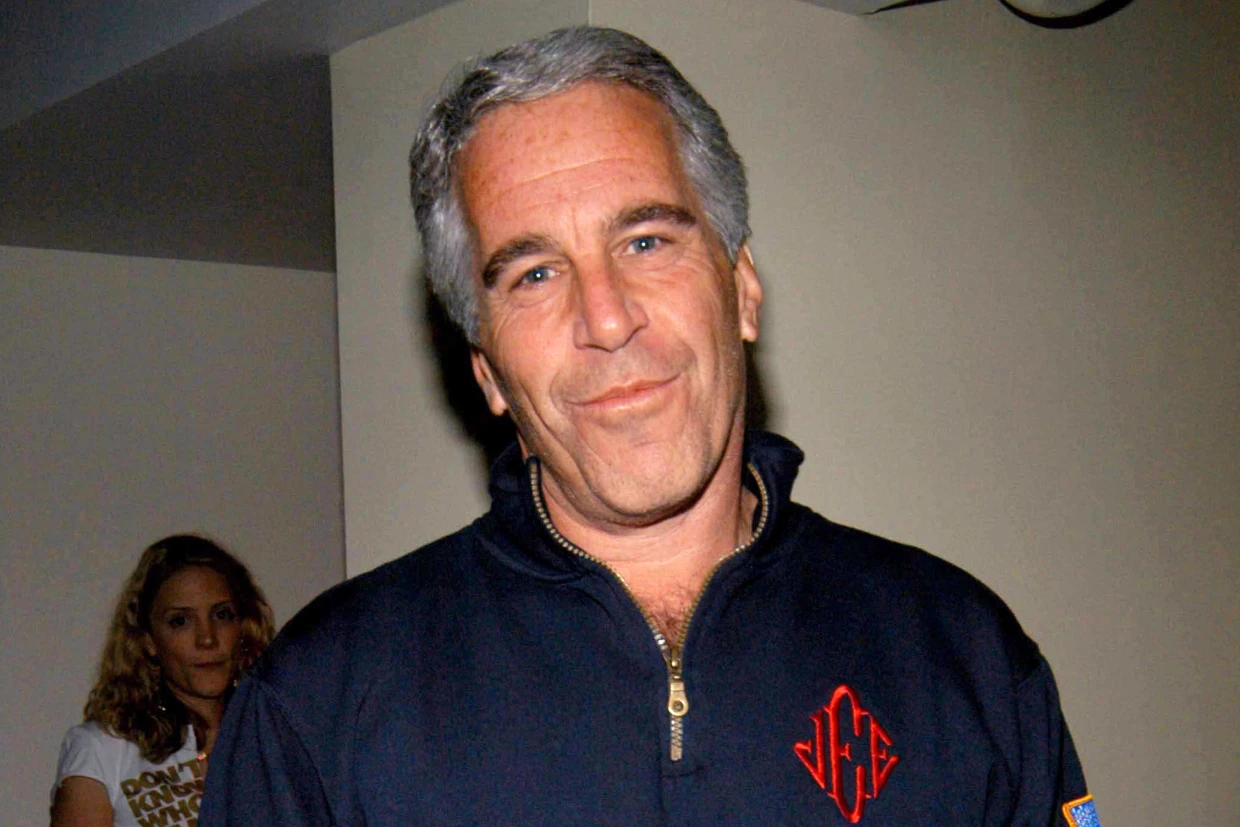
Newly unsealed court documents have revealed shocking details about the vast financial empire built by convicted sex offender Jeffrey Epstein, exposing a network of transactions worth over $1 billion processed through major financial institutions. The records, released as part of ongoing litigation, paint a disturbing picture of how Epstein managed to sustain his operations through elite financial connections and complex offshore accounts for nearly two decades.
The disclosures, stemming from filings related to civil actions in the United States, provide unprecedented insight into Epstein’s dealings with global banks, wealthy clients, and influential business figures. Despite his 2008 conviction for sex crimes, Epstein continued to enjoy access to high-level financial services well into the following decade, raising questions about oversight and accountability within the banking industry.
Billions Moved Through a Web of Accounts
According to the unsealed materials, over 4,700 transactions linked to Epstein’s accounts were flagged as suspicious by internal compliance systems. These included large cash withdrawals, offshore wire transfers, and payments to known associates, as well as international transactions routed through Russian and Caribbean banks.
The documents reveal that several compliance officers raised repeated concerns about Epstein’s banking activity, citing reputational and legal risks. However, the relationship reportedly continued for years, supported by powerful intermediaries and internal discussions emphasizing Epstein’s connections to “high-value clients.”
Investigators found that Epstein’s accounts were used to transfer funds between multiple shell corporations, foundations, and private trusts — a structure designed to obscure ownership and purpose. Financial experts now believe this setup may have been used to facilitate payments related to trafficking operations, settlements, and property acquisitions in the U.S. Virgin Islands and beyond.

Elite Ties and Institutional Blind Spots
Epstein’s name has long been synonymous with power, privilege, and predation. The newly revealed files show that his financial network extended far beyond personal wealth, implicating an intricate ecosystem of investment managers, hedge funds, and private bankers who continued to engage with him despite his criminal history.
The documents include communications between bank executives acknowledging “reputational concerns” but simultaneously referring to Epstein as a “high-value client” whose connections brought lucrative business opportunities. These included introductions to tech founders, hedge fund managers, and foreign dignitaries — all potential clients for private banking services.
Critics argue that the tolerance of Epstein’s business activities within elite banking circles reflects a systemic failure of due diligence, where financial institutions prioritized profit over ethics. Compliance experts suggest that the sheer scale of his financial activity — exceeding $1 billion in movement — would have been impossible without institutional complicity or negligence.
Delayed Action Despite Warning Signs
Even after Epstein’s 2008 conviction for procuring minors for prostitution, internal reports show that banks continued processing his transactions. It was only years later — amid renewed public scrutiny and investigative pressure — that these accounts were closed and internal reviews initiated.
The filings also indicate that while Suspicious Activity Reports (SARs) were filed with federal regulators, enforcement action was limited or delayed. Legal analysts suggest that the absence of strong intervention reflects both regulatory gaps and the influence Epstein wielded through his high-profile network.
A Web of Global Financial Influence
The court records highlight Epstein’s international reach, with financial flows linked to accounts in Europe, the Caribbean, and Russia. Some transfers were directed to or from financial institutions later scrutinized for their connections to money laundering networks.
This global footprint suggests Epstein operated less as an individual investor and more as the center of a sprawling financial syndicate. Analysts note that the intricate use of offshore accounts and trusts mirrors tactics used in major financial crime cases, further complicating efforts to trace the origin and destination of funds.

Repercussions for the Financial World
The unsealed documents have reignited calls for greater accountability in private banking, particularly in how institutions handle clients with criminal or controversial backgrounds. Legal experts argue that the Epstein revelations expose deep structural flaws in anti-money-laundering frameworks and client verification protocols.
Banks are now under pressure to demonstrate how such a client remained active in global financial systems despite multiple red flags. The case has also revived discussions about the responsibility of financial intermediaries — lawyers, accountants, and fund managers — who may have knowingly or unknowingly facilitated Epstein’s financial maneuvers.
Unanswered Questions and Ongoing Investigations
While Epstein’s death in 2019 ended criminal proceedings against him personally, civil cases against his estate and associated institutions continue. Survivors of his trafficking ring and advocacy groups have demanded full transparency on where Epstein’s money originated and how it was used.
Authorities are reportedly reviewing whether portions of his wealth were derived from coercive or illegal activities, including extortion and financial exploitation of associates. The recent document release could serve as a blueprint for future legal actions against entities or individuals linked to his financial operations.
The unsealing of these court records sheds new light on the financial machinery that enabled Jeffrey Epstein’s crimes, revealing how money, power, and influence shielded him for years. His billion-dollar financial network demonstrates not only the extent of his operations but also the troubling ease with which systemic safeguards were bypassed.
The revelations serve as a stark reminder that unchecked privilege in the financial world can perpetuate exploitation and abuse. As investigations continue, the question remains whether institutions that facilitated Epstein’s wealth will finally be held to account — and whether the lessons learned will bring lasting reform to the global banking system.
Leave a Reply