
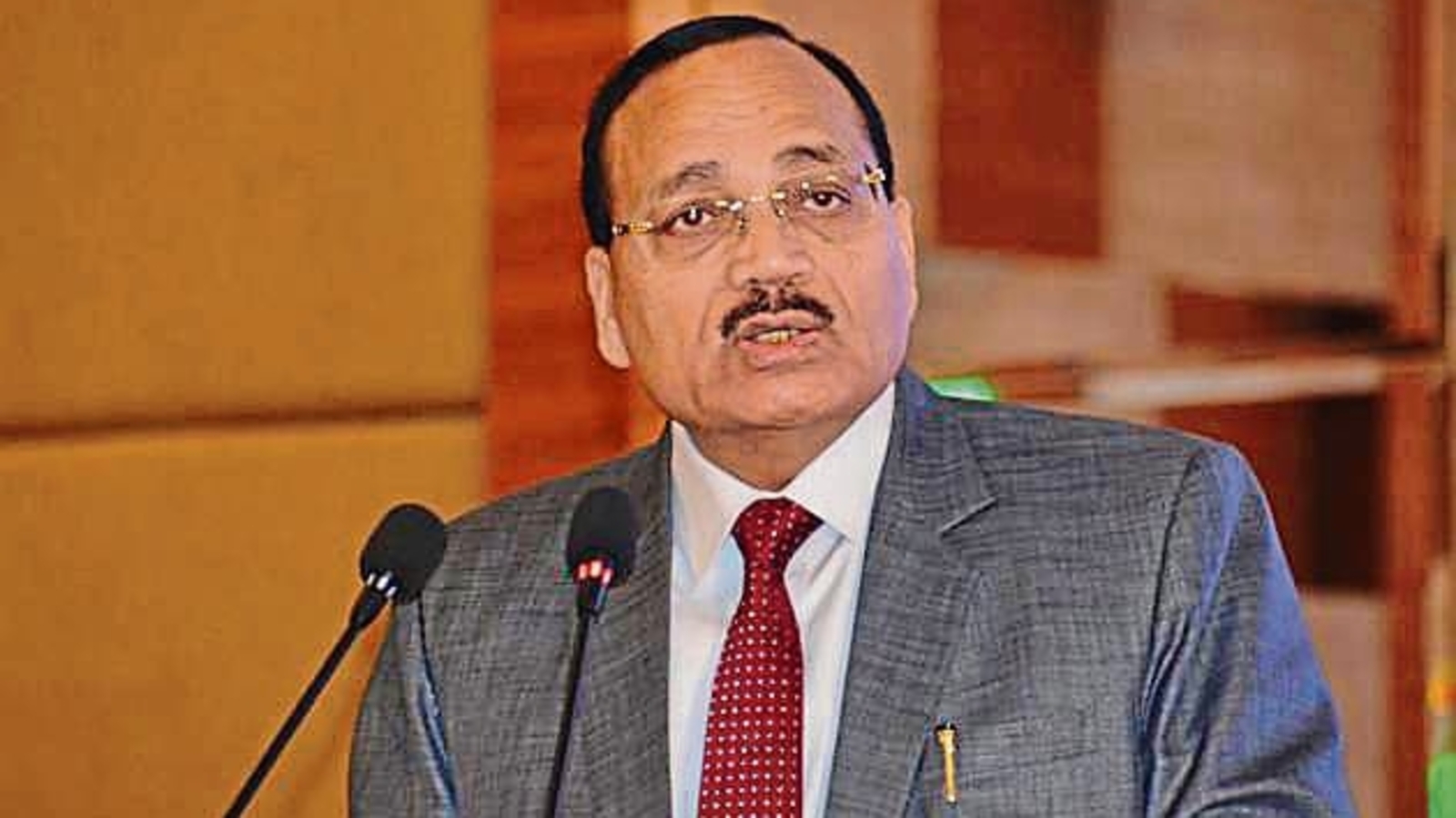
The Union Law Ministry has officially confirmed that Justice Surya Kant will assume charge as the 53rd Chief Justice of India (CJI) on November 24, 2025, following the retirement of Justice B. R. Gavai on November 23. The appointment was made in accordance with the established judicial tradition, where the outgoing Chief Justice recommends the senior-most judge of the Supreme Court for the position.
Justice Kant’s tenure as CJI is expected to continue until February 9, 2027, giving him over a year in office to lead the Supreme Court and oversee several key judicial reforms.
A Journey from Haryana to India’s Highest Court
Born on February 10, 1962, in Hisar, Haryana, Justice Surya Kant’s journey in the legal profession is marked by hard work and integrity. He completed his education in law at Maharshi Dayanand University, Rohtak, and began practising at the Punjab and Haryana High Court. Known for his clear reasoning and advocacy, he was appointed as Advocate General of Haryana before being elevated to the Punjab and Haryana High Court as a judge in 2004.
In October 2018, he became the Chief Justice of the Himachal Pradesh High Court, and less than a year later, in May 2019, he was elevated to the Supreme Court of India.
Judicial Contributions and Notable Judgments
Throughout his judicial career, Justice Surya Kant has been recognized for his balanced judgments and commitment to social justice. He has delivered significant rulings related to constitutional interpretation, governance transparency, environmental protection, and civil liberties.
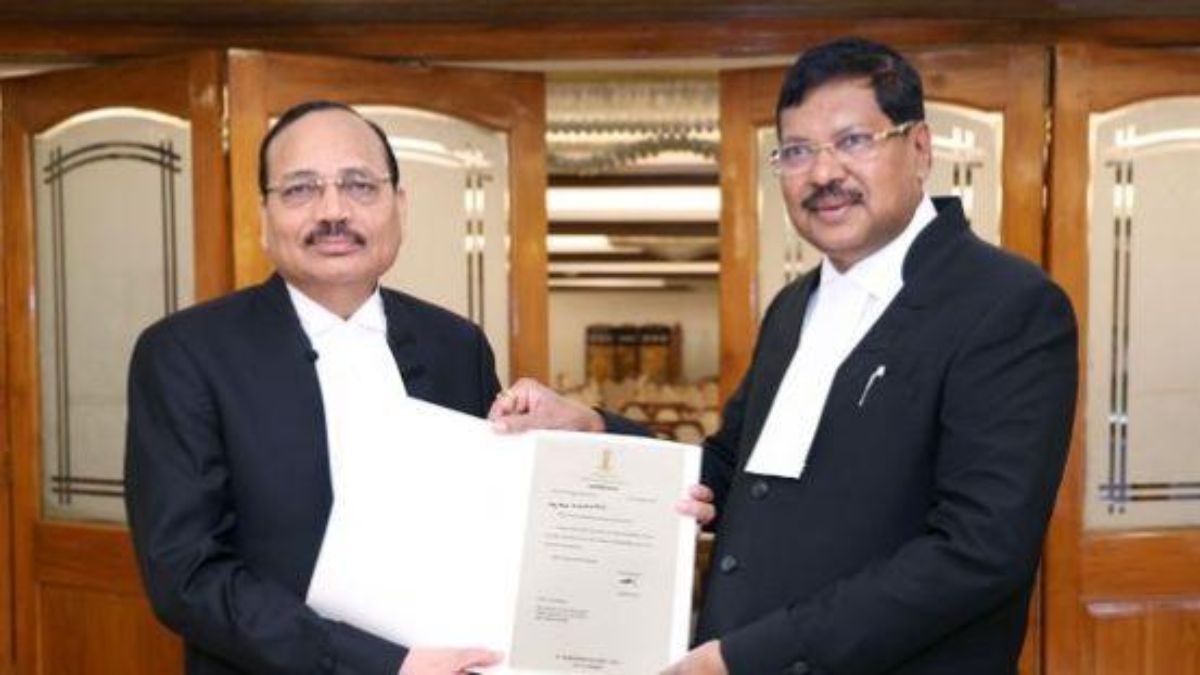
Colleagues and legal scholars describe him as a judge who values both judicial independence and administrative efficiency. His decisions often reflect a nuanced understanding of India’s social realities and a deep respect for constitutional morality.
Challenges Before the New Chief Justice
Justice Surya Kant’s elevation comes at a time when the Supreme Court faces numerous challenges — from mounting case backlogs to the need for judicial reforms and technological modernization. As the head of the Indian judiciary, he will oversee several crucial initiatives, including digitization of court records, faster disposal of pending cases, and efforts to enhance access to justice in remote areas.
He will also be responsible for maintaining judicial independence amid increasing scrutiny of the judiciary’s relationship with the legislature and executive.
Legal experts believe that Justice Kant’s administrative experience, coupled with his reputation for fairness, positions him well to strengthen public confidence in the judiciary and streamline its functioning.
Smooth Transition Upholding Judicial Tradition
Justice B. R. Gavai’s formal recommendation of Justice Surya Kant follows the time-honoured “seniority convention”, ensuring an orderly transition of leadership in the apex court. The process underscores the judiciary’s commitment to institutional continuity and respect for precedent.
The Supreme Court will organize a ceremonial oath-taking event on November 24, to be administered by the President of India at Rashtrapati Bhavan. Senior judges, legal luminaries, and constitutional dignitaries are expected to attend the ceremony.
Outlook and Expectations
As India’s 53rd Chief Justice, Justice Surya Kant’s leadership is expected to focus on judicial accountability, access to justice, and strengthening the rule of law. His tenure is likely to emphasize the importance of efficiency, inclusion, and the use of technology in court proceedings.
The legal fraternity anticipates that his stewardship will further reinforce the credibility and resilience of India’s judicial system — one of the pillars of the world’s largest democracy.
Justice Surya Kant will take oath as the 53rd Chief Justice of India on November 24, succeeding Justice B. R. Gavai. Known for his integrity and progressive rulings, Justice Kant’s elevation marks a key moment for the Indian judiciary, with expectations of reform, innovation, and renewed commitment to justice.
Leave a Reply