
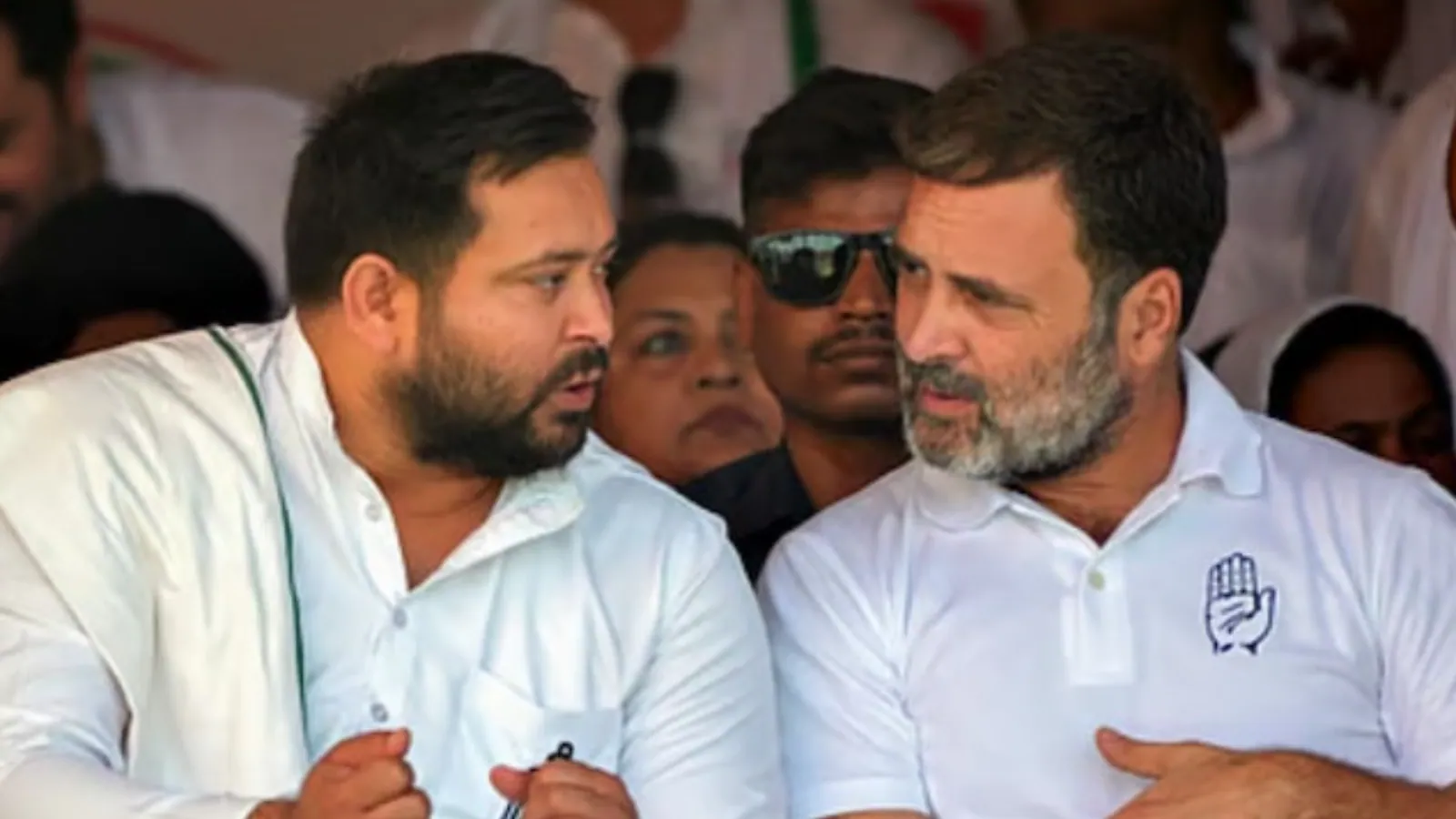
As Bihar gears up for the upcoming Assembly elections, the opposition alliance — comprising the Rashtriya Janata Dal (RJD), the Indian National Congress (INC), and smaller partners — is facing visible cracks over unresolved seat-sharing talks and leadership disagreements. The growing friction between the RJD and Congress has sparked concerns about the alliance’s unity and its ability to challenge the ruling coalition effectively.
Seat-Sharing Dispute
The primary source of tension lies in the allocation of assembly seats between the two main partners. According to alliance insiders, the RJD has offered the Congress around 58 seats, while the Congress has been pressing for at least 65, citing its national presence and voter base in select regions. The deadlock has delayed the announcement of candidates and campaign coordination, causing anxiety among party cadres.
While the RJD, as the dominant force in Bihar’s opposition bloc, is unwilling to concede more seats, the Congress leadership insists that a fair distribution is necessary for the alliance to appear balanced and credible. The impasse has led to multiple rounds of closed-door meetings and rushed visits by senior leaders to Patna, but no final agreement has been reached.
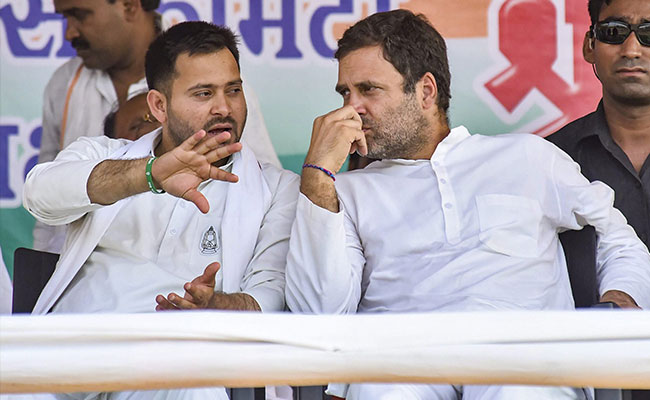
Leadership and Internal Friction
Beyond seat numbers, a deeper fault line has emerged over leadership and campaign strategy. The RJD has projected Tejashwi Yadav as the natural chief ministerial face of the opposition alliance, while the Congress has refrained from officially endorsing him. This hesitation has reportedly caused unease within the RJD camp, which views unified leadership as essential to the alliance’s electoral messaging.
Tensions have further intensified with reports of “friendly contests” — cases where both the RJD and Congress may field their own candidates in the same constituency. This overlap, political analysts warn, risks splitting opposition votes and handing an advantage to the ruling parties.
Political Implications
Observers believe the internal rift could severely weaken the opposition’s prospects in Bihar, where unity and coordination are key to countering well-organised ruling alliances. Delays in finalising seat-sharing also hinder campaign logistics, symbol allocation, and grassroots mobilisation, leaving local workers uncertain about leadership direction.
Despite growing speculation about a breakdown, leaders from both sides publicly claim that discussions are “progressing positively” and that a resolution will emerge soon. However, with nomination deadlines approaching, the alliance faces mounting pressure to demonstrate cohesion before the campaign begins in earnest.

Strategic Calculations and Stakes
The RJD, which emerged as the largest opposition party in the 2020 Assembly elections, is determined to retain its dominant role within the bloc. For the Congress, the Bihar polls are crucial for re-establishing its relevance in the state’s political landscape. The party’s previous performance — winning 19 seats out of 70 contested — has raised questions within the alliance about its bargaining power.
The stakes are particularly high as Bihar remains a key battleground for the INDIA opposition alliance nationally. Analysts suggest that prolonged infighting between RJD and Congress could undermine the broader anti-incumbency narrative and weaken the opposition’s momentum ahead of voting.
Outlook
As deadlines draw closer, the coming days will be critical in determining whether the alliance can repair its internal rift and present a united front. Failure to do so could jeopardise its chances against a well-prepared ruling coalition.
With political temperatures rising, the RJD–Congress equation in Bihar has become a defining test of opposition unity — one that could shape not just state politics, but also the trajectory of national alliances in the months to come.
Leave a Reply