
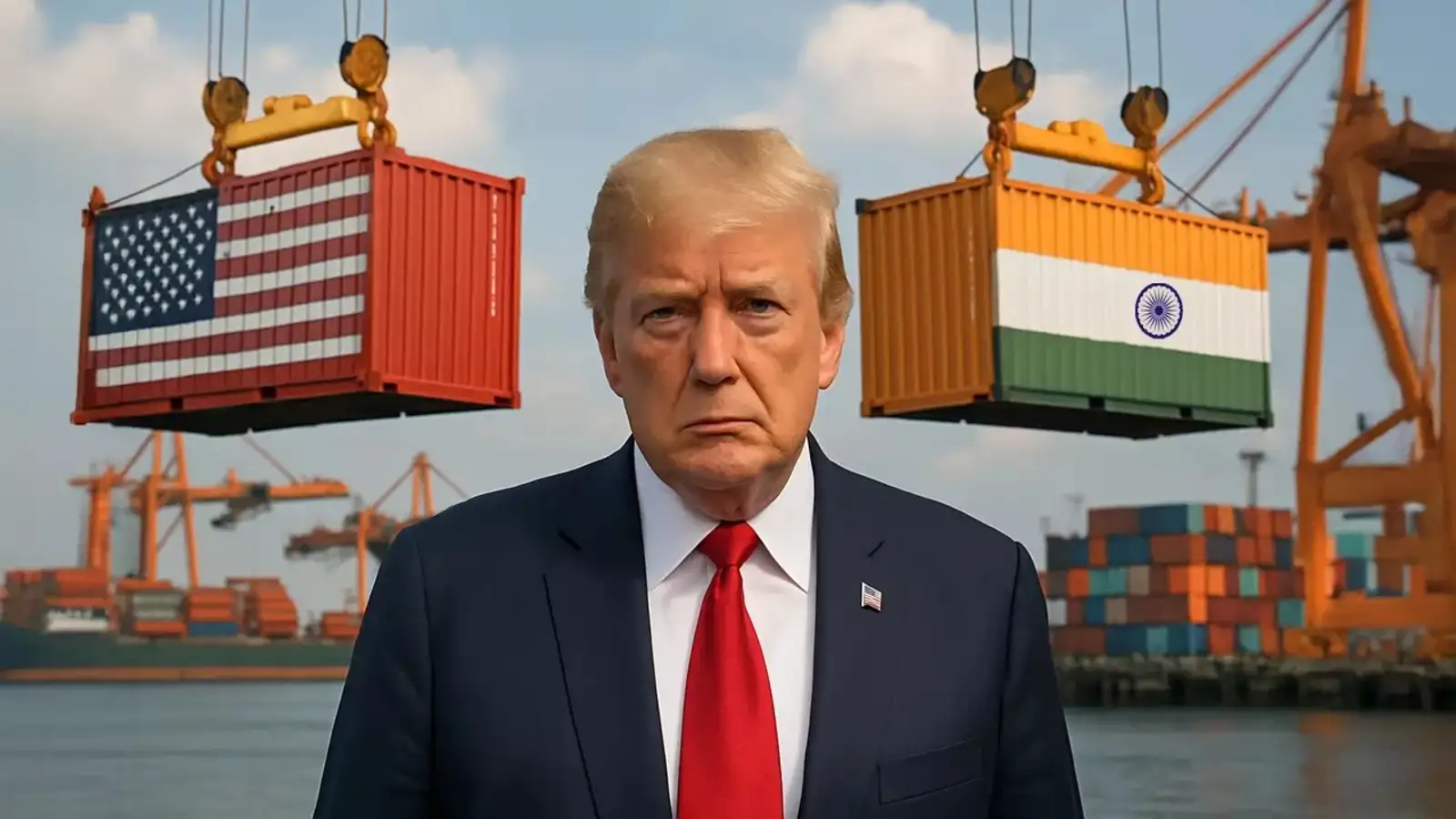
In a significant geopolitical statement, U.S. President Donald Trump has warned that India will continue to face “massive tariffs” on exports to the United States if it does not halt its oil imports from Russia. Trump claimed that Prime Minister Narendra Modi had assured him that India would refrain from purchasing Russian crude, though New Delhi has firmly denied any such recent communication.
During an interaction aboard Air Force One, Trump stated that he had spoken with the Indian Prime Minister about the matter. “I spoke with Prime Minister Modi, and he said he’s not going to be doing the Russian oil thing,” Trump remarked. When informed that India had not confirmed any such discussion, he responded, “If they say that, they’ll continue to pay massive tariffs — and they don’t want that.”
India’s Position on Russian Oil
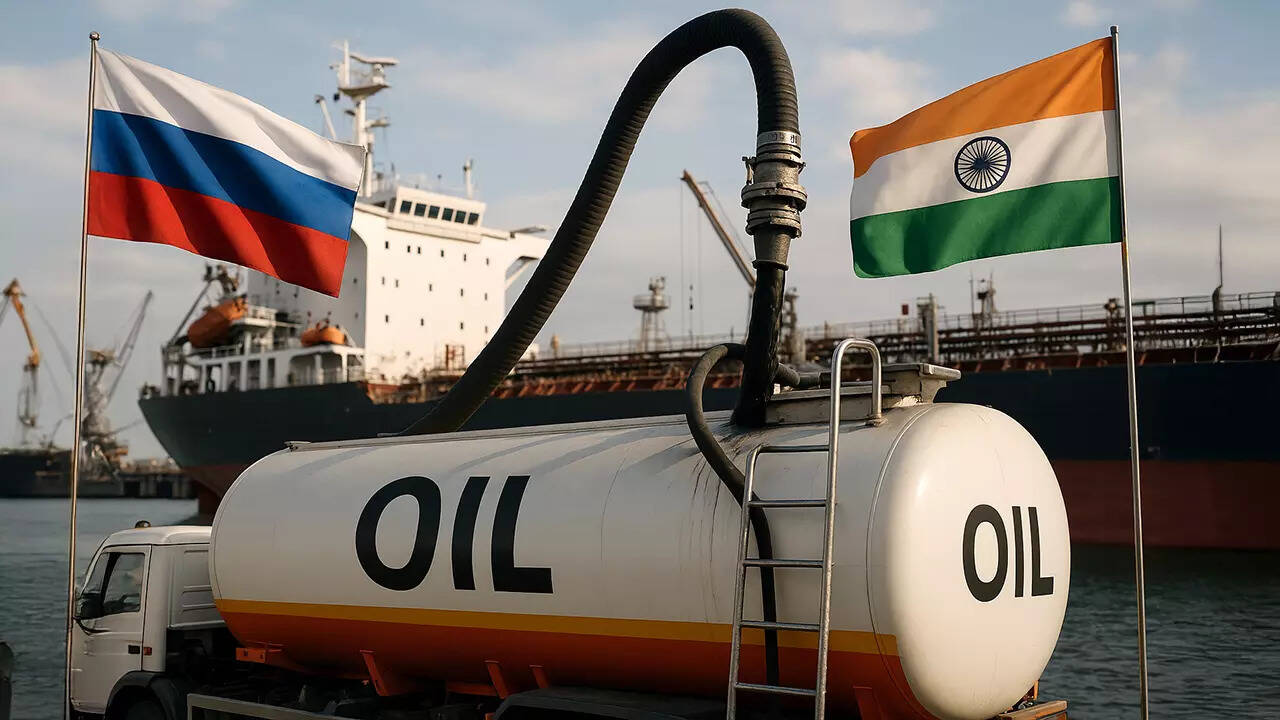
India has consistently maintained that its energy purchases are guided by national interests and the need to secure affordable supplies for its population. New Delhi has reiterated that its oil imports are made based on market conditions, price advantages, and energy security considerations. Officials clarified that India’s oil procurement decisions are independent and do not target or violate any international sanctions.
Over the past two years, India has emerged as one of the top importers of Russian crude, benefiting from discounted rates offered by Moscow in the aftermath of Western sanctions related to the Ukraine conflict. However, Washington has expressed concern that such trade indirectly strengthens Russia’s financial position.
Rising Trade Tensions
Trump’s remarks mark a renewed phase of pressure on New Delhi amid already complex U.S.–India trade dynamics. The tariffs currently in place affect several major Indian export sectors, including textiles, pharmaceuticals, and leather goods. Industry experts warn that any further escalation could lead to significant losses for Indian exporters who rely heavily on the American market.
Trade analysts point out that the situation underscores a difficult balancing act for India — maintaining strategic autonomy in its foreign policy while safeguarding its vital economic interests. If the United States chooses to intensify its tariff regime, India could explore diplomatic avenues for relief or seek alternative export destinations to mitigate the economic fallout.

Broader Global Implications
Trump’s comments are being closely watched by global observers, as they could influence broader energy and trade realignments. A potential reduction in India’s Russian oil imports might alter global crude trade flows and pricing structures. On the other hand, if India maintains its current course, it could face heightened economic pressure from the United States, possibly complicating bilateral relations.
Despite these tensions, Indian officials remain confident that diplomatic engagement and economic pragmatism will help navigate the situation. The government has reiterated that its decisions will continue to prioritize the nation’s energy security and long-term development goals.
Leave a Reply