
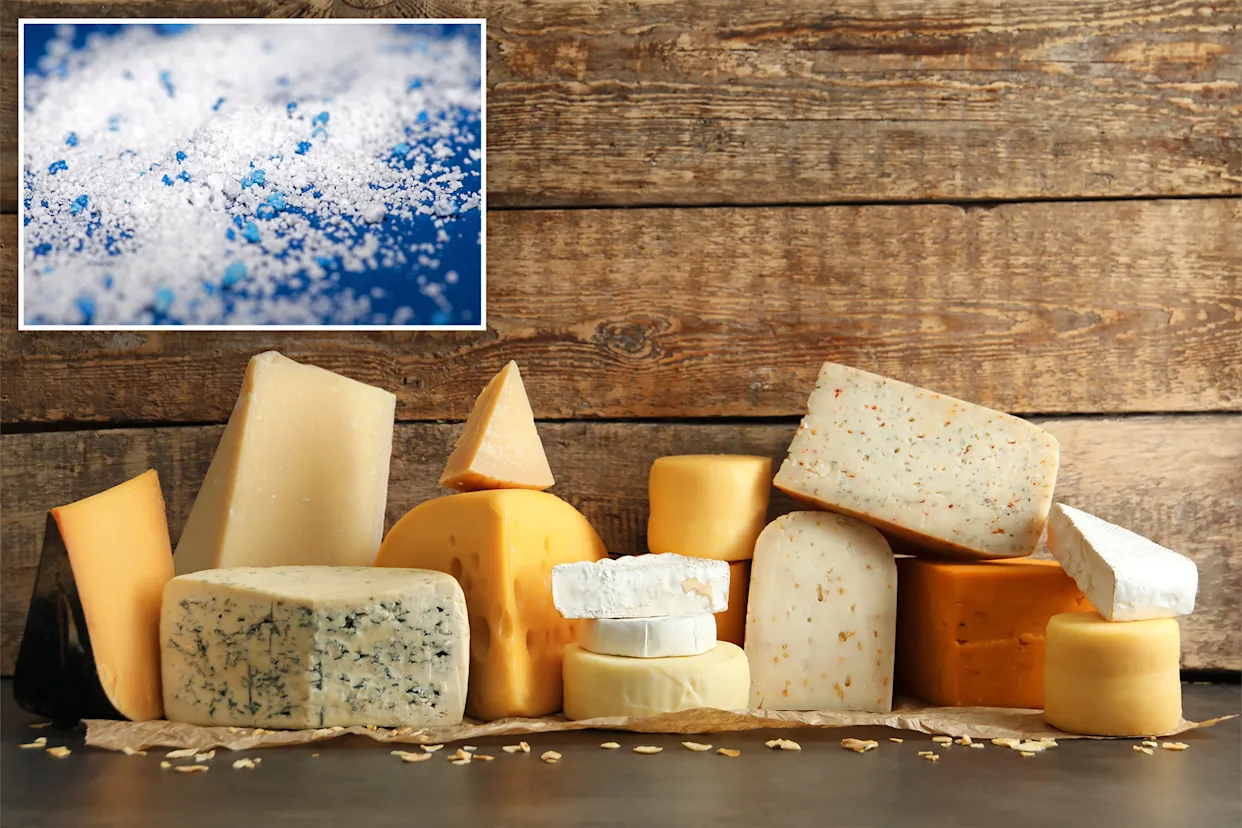
A new international study has raised serious concerns about food safety after finding microplastics in a majority of dairy products, including milk and cheese. The research reveals that plastic particles — commonly used in packaging and processing — are making their way into everyday foods, potentially posing long-term health risks.
Study Findings
The study, conducted by European researchers, examined 28 samples of dairy products, including retail milk, fresh cheese, and ripened cheese. Shockingly, 26 out of the 28 samples contained microplastics. Ripened cheeses were found to have the highest contamination levels, with nearly 1,857 plastic particles per kilogram, while fresh cheeses contained about 1,280 particles per kilogram. Even milk, often considered a pure product, showed around 350 microplastic particles per kilogram.
The types of plastic most frequently detected were polyethylene terephthalate (PET), polyethylene (PE), and polypropylene (PP) — all materials commonly used in plastic packaging and food-processing equipment.
How Microplastics Enter Dairy Products
Experts suggest that microplastics could enter dairy products through multiple routes. These include contamination during processing, migration from plastic packaging, and environmental exposure on dairy farms.
- Processing equipment such as pipes, filters, and gloves used in production may shed plastic fragments.
- Packaging materials could leach microplastics into food during long storage periods.
- Environmental sources — including contaminated feed, water, and air — might introduce microplastics even before milk reaches the processing plant.
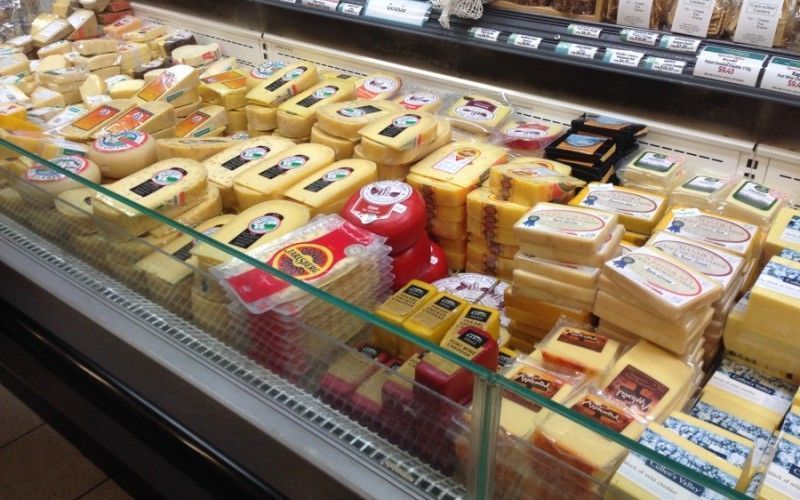
Ripened cheese, which undergoes longer processing and storage, was found to have the highest concentration, likely due to prolonged exposure to packaging and handling materials.
Health Concerns
While scientists are still studying the exact impact of microplastics on human health, early findings suggest potential risks. Exposure to these particles may cause inflammation, oxidative stress, hormonal imbalance, and other cellular damage over time.
Dr. Maria Westerbos from the Plastic Soup Foundation, a leading environmental group, noted that microplastics can enter the bloodstream and organs, possibly leading to long-term health complications. “These invisible particles can act as carriers for toxic chemicals, making their impact even more dangerous,” she warned.
Implications for India
India, one of the largest dairy producers in the world, could also face similar challenges if immediate measures are not taken. Experts believe that heavy reliance on plastic packaging and industrial-scale processing may increase contamination risks.
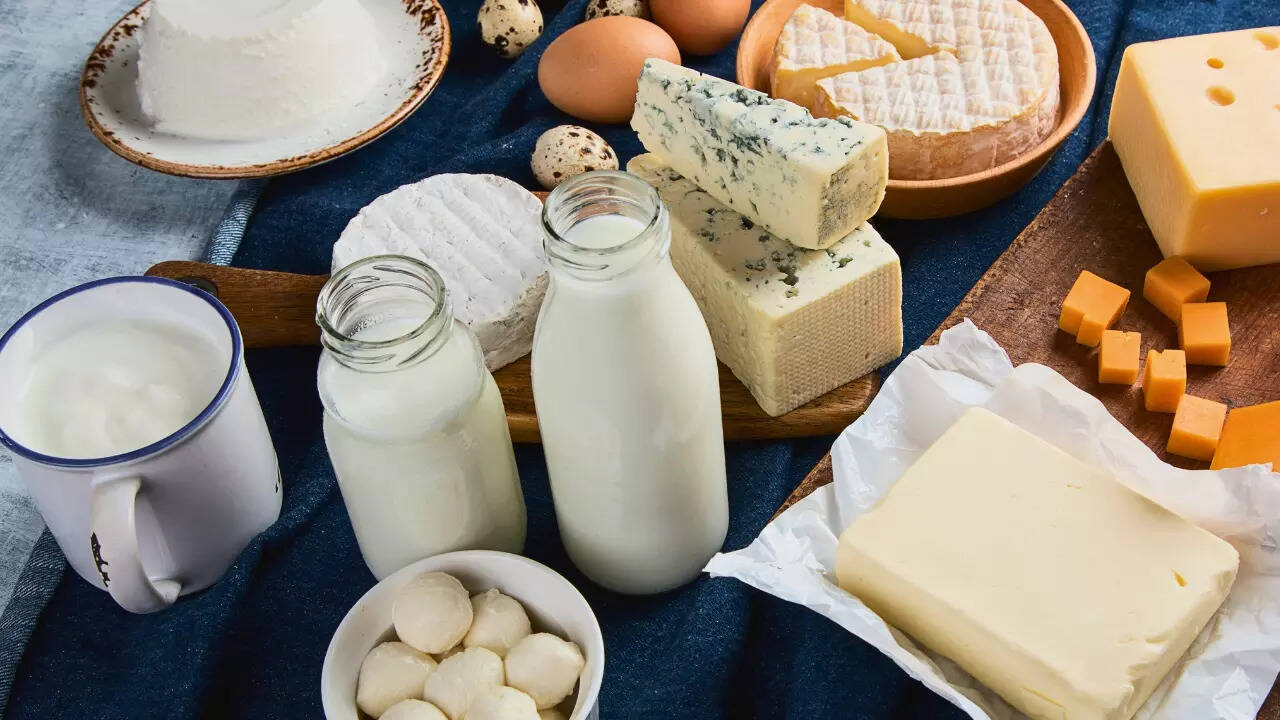
Consumers are advised to:
- Opt for fresh, locally sourced dairy products with minimal packaging.
- Avoid over-processed or long-aged cheeses.
- Store dairy in glass or metal containers whenever possible.
Meanwhile, food regulators in India are being urged to review packaging standards, processing equipment, and hygiene practices across the dairy sector to prevent contamination.
The Way Forward
The study has sparked a call for comprehensive monitoring and stricter regulations on plastic use in the food industry. With global dairy consumption continuing to rise, experts stress that ensuring purity and safety in milk and cheese should become a top priority for both producers and policymakers.
Leave a Reply