

A sweeping new study, analysing data from over 9 million adults in South Korea and several thousand in the United States, has drawn a startling conclusion: more than 99 percent of heart attacks, strokes, and cardiovascular failures occur in individuals who had at least one of four key modifiable risk factors before the event. The research, published in a leading cardiology journal, challenges the notion that these catastrophic events strike “out of the blue,” and reinforces the critical importance of early detection and intervention.
The Risk Factors That Shape Cardiovascular Outcomes
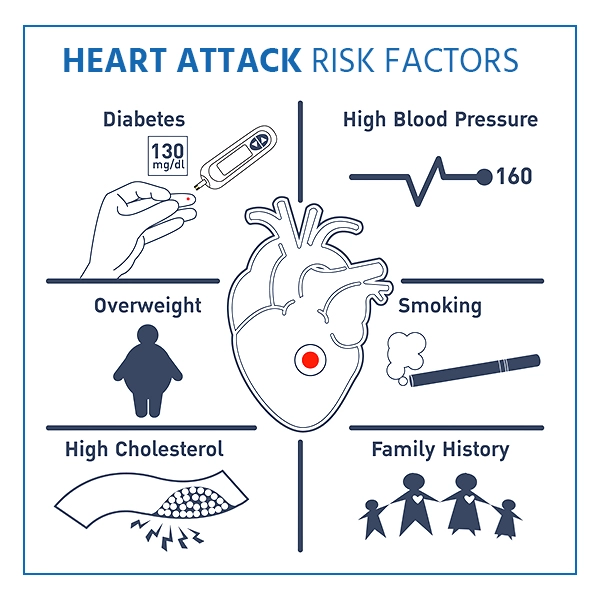
Researchers identified the following four major risk factors as present well before nearly all serious cardiovascular events:
- Elevated blood pressure (hypertension or pre-hypertension)
- High cholesterol or dyslipidemia
- Elevated blood sugar / diabetes or prediabetes
- Tobacco use (current or past)

These factors, often silent for years, contribute cumulatively to vascular damage, plaque formation, and impaired heart function. The study found that the vast majority of those who suffered heart attacks, strokes, or heart failure had at least one—but commonly two or more—of these risk factors above “optimal” thresholds long before their first adverse event.
Notably, hypertension emerged as the most prevalent of them: over 93 percent of affected individuals had nonoptimal blood pressure levels prior to their event. Even among women under 60, often regarded as a lower-risk demographic, more than 95 percent of participants had at least one nonoptimal risk factor in place before disease onset.
“Nonoptimal” vs “Clinical” — A Crucial Distinction
A key contribution of the study is reinforcing that risk levels below classic diagnostic thresholds (for example, blood pressure of 120–129 mm Hg or cholesterol moderately elevated) still constitute nonoptimal states that raise long-term risk. The authors caution that waiting for a clinical diagnosis may miss an opportunity to intervene earlier.
In explaining their reasoning, cardiologists involved noted that many earlier studies may have underestimated risk by focusing only on overt disease or well-above-threshold levels. By contrast, this research tracked individuals over long periods, capturing gradual progression from moderate to pathological levels.
Implications for Prevention and Policy
The findings carry urgent implications across several domains:
- Screening and Monitoring: Regular evaluation of blood pressure, cholesterol, glucose, and smoking habits should be standard even for ostensibly healthy people.
- Lifestyle-Based Interventions: Dietary measures, physical activity, weight management, and smoking cessation become more critical than ever.
- Early Medical Management: In many cases, modest elevation in risk factors may justify preventive strategies (such as statins, antihypertensives) before full-blown disease manifests.
- Public Health Campaigns: Educating people about the invisible nature of cardiovascular risk can motivate proactive care and demand for better health infrastructure.
Why This Matters
This study is a clarion call: heart attacks, strokes, and heart failures are rarely spontaneous. They are the culmination of damage accumulated over years. By illuminating the near-universal presence of these four risk factors, the research emphasizes that prevention is not speculative—it is foundational.
In countries like India, where cardiovascular disease is a dominant cause of death, the message is especially potent. Many individuals may believe they are safe if they have not yet been diagnosed. But this study suggests that the seeds of harm were likely sown long before.
Leave a Reply