

Each year, the Nobel Peace Prize recognizes individuals or organizations deemed to have made the outstanding contribution to peace. What few know, however, is the elaborate and highly confidential process that turns nominations into laureates. Below is a detailed look at how the world’s most talked-about peace award is selected—step by step, who participates, and what the rules and constraints are.
1. Who Can Nominate
Not everyone can submit a nomination. The Nobel Foundation’s statutes restrict this to a defined set of qualified nominators, including:
- Members of national governments and parliaments
- Heads of state
- Members of international courts (such as ICJ)
- Professors in fields like law, social sciences, philosophy, theology, and history
- University rectors and directors
- Directors of peace research institutes or foreign policy institutes
- Former Nobel Peace Prize laureates
- Members, past or present, of the Norwegian Nobel Committee or advisers to it
Nominees cannot nominate themselves, and nominations must be made by those eligible persons.
2. Timing and Confidentiality
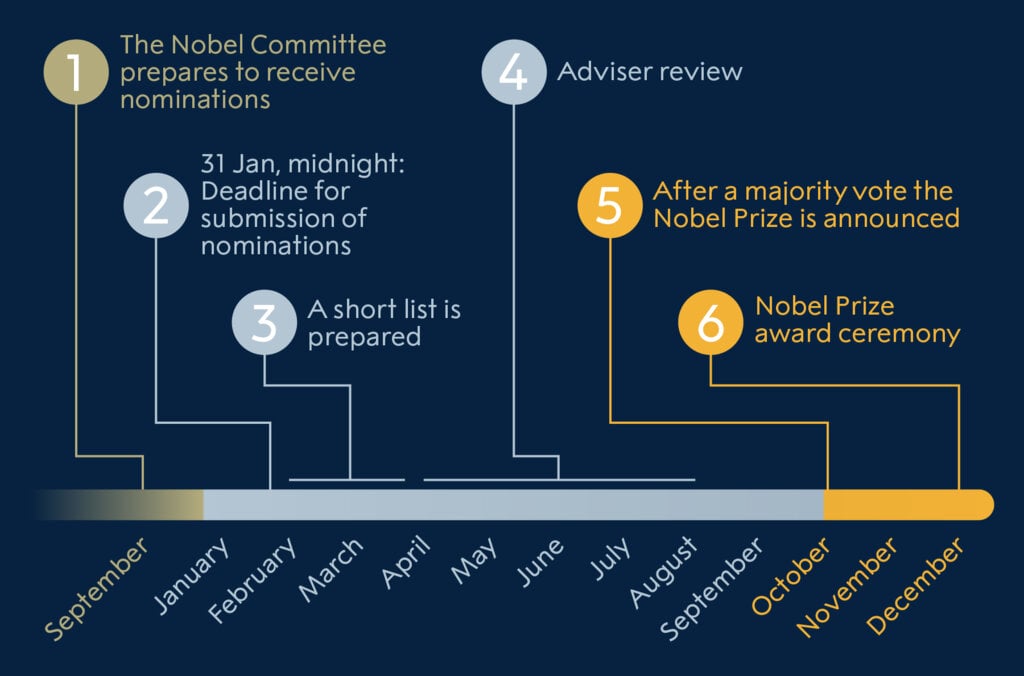
The nomination window opens in September and closes on January 31 of the award year. Nominations received after this deadline are considered for the following year.
Once nominations are submitted, they remain confidential for 50 years. The Nobel Committee does not reveal the names of nominators or nominees until half a century has passed.
3. Review and Shortlisting
In the months after nominations close, the Norwegian Nobel Committee—a five-member body appointed by the Norwegian Parliament—begins the rigorous process of evaluation. Alongside the committee, a network of permanent advisers and international subject experts examine the nominations.
- Initial assessment: The committee screens all submissions for compliance and merit
- Expert reports: Advisers create detailed reports on promising candidates
- Deliberations and narrowing: Through repeated meetings (often monthly), the committee narrows the candidate list, sometimes revisiting or reconsidering earlier names
By late summer, the shortlist is typically narrowed to a handful of contenders.
4. Final Decision
The committee meets in late September or early October to decide the laureate(s). Decisions are made by vote—ideally unanimous, but sometimes by majority if consensus is elusive. Once the decision is made, it is final and not open to appeal.
5. Announcement & Ceremony
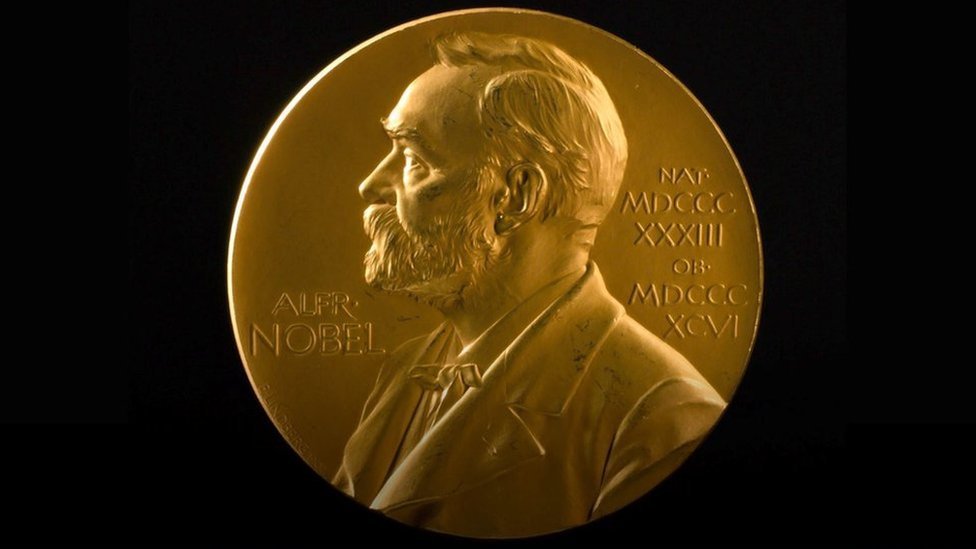
The Nobel Peace Prize laureates are announced on the first Friday of October. The award ceremony follows on December 10 in Oslo, Norway. Laureates receive a gold medal, diploma, and a monetary award—the exact amount changing over time.
6. Special Rules & Safeguards
- No posthumous awards: Generally, only living individuals or active organizations are eligible.
- Secrecy rules: All nomination records, internal reports, contenders, deliberations—everything—is sealed for 50 years.
- Statutory interpretation: The committee must act according to Alfred Nobel’s will, which mandates that the prize be given “to the person who has done the most or the best work for fraternity between nations, for the abolition or reduction of standing armies, and for peace congresses.”
Leave a Reply