
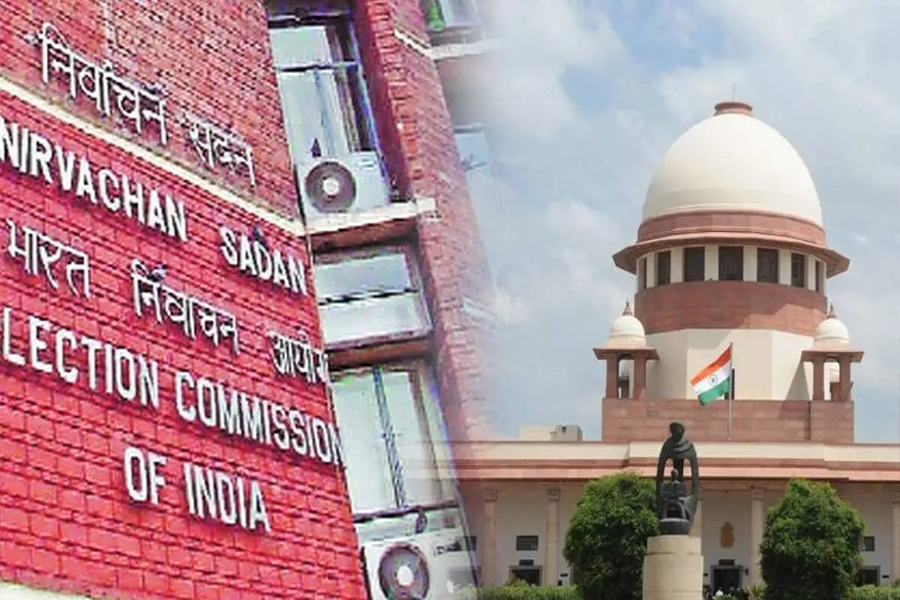
During ongoing hearings at the State Information Commission (SIR), the Election Commission of India (ECI) issued a strong rebuke toward political parties and certain enforcement agencies, charging that their priority often lies in “setting the narrative” ahead of elections rather than ensuring fair processes. According to ECI representatives, such narrative engineering undermines democratic integrity and diverts attention from legal and procedural compliance.
At the hearing, the Commission emphasized its role as the guardian of electoral fairness. It argued that too often, political actors use media statements, leaks, and aggressive messaging to shape perceptions—regardless of factual accuracy—and thereby influence the electorate before official campaigning even begins. The ECI expressed concern that agencies aligned with parties may collude in amplifying these narratives or in delaying or misdirecting investigations to suit political ends.
Officials underscored that, for the Election Commission, the primary focus must be on enabling free, fair, transparent elections—not engaging in public relations battles. They cautioned that when agencies become tools of partisan storytelling, oversight and enforcement lose credibility.
At the SIR hearing, petitioners had requested access to communications and decisions made by the ECI during critical periods of election scheduling and model code enforcement. The ECI objected to divulging certain records, arguing they were internal deliberations aimed at upholding neutrality.
The debate over disclosure and transparency was intense. While SIR panelists pressed for more openness from the ECI, the Commission sought to balance that with the need to protect strategic processes from misuse.
Observers note that these proceedings come at a politically charged moment. Several states are gearing up for assembly or local elections, making election narratives pivotal. In this charged environment, the ECI’s assertion that integrity is being overshadowed by narrative tactics may signal deeper institutional frustration.
Both political parties and administrative agencies are likely to respond to these critical remarks. The hearing is expected to conclude in the coming days with orders on what internal ECI documents will be disclosed and the extent of external oversight permissible during sensitive phases.
Leave a Reply