
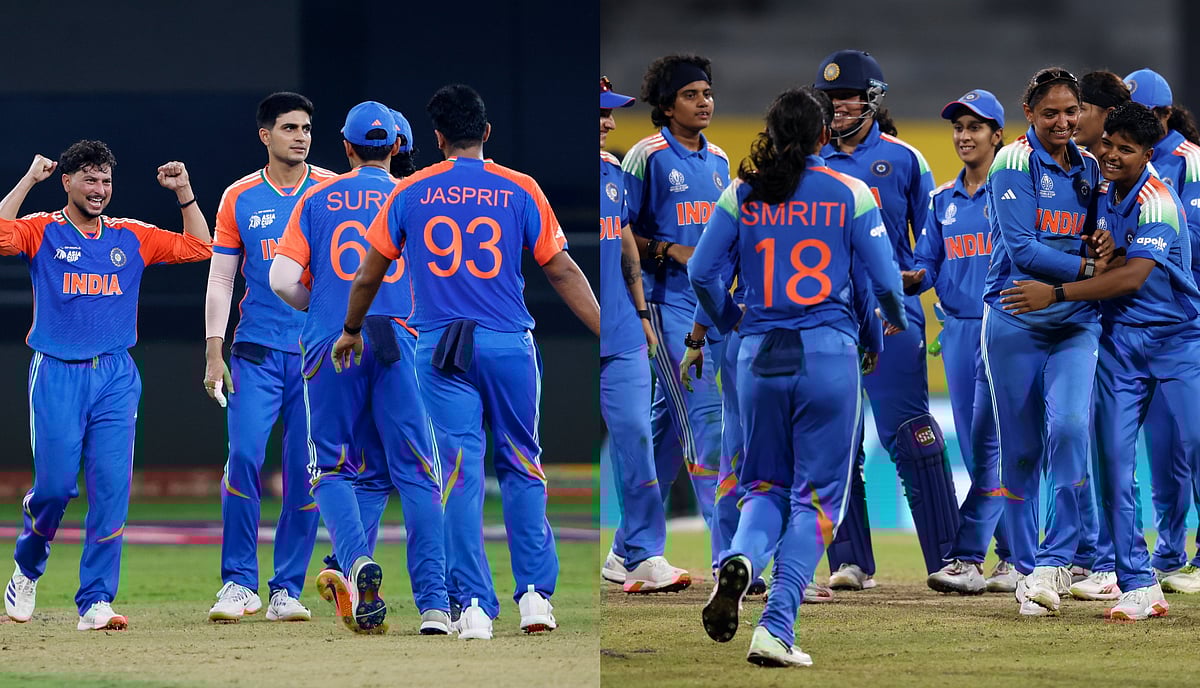
In a robust judgment delivered today, the Delhi High Court dismissed a public interest litigation (PIL) seeking to prevent public broadcasters from referring to the Board of Control for Cricket in India (BCCI) squad as “Team India” or the “Indian National Team.” The court characterized the petition as an unnecessary legal invocation and affirmed that the term reflects customary usage rather than a statutory breach.
The petition was filed by Advocate Reepak Kansal, who contended that BCCI, being a private entity under the Tamil Nadu Societies Registration Act rather than a governmental or constitutional body, should not be allowed to use national identity markers. Kansal argued that public broadcasters, such as Doordarshan and All India Radio (operated by Prasar Bharati), violate the Emblems and Names (Prevention of Improper Use) Act, 1950, and the Flag Code of India, 2002, by projecting the BCCI team as the national team and displaying national symbols during telecasts.
A division bench led by Chief Justice D.K. Upadhyay and Justice Tushar Rao Gedela was unequivocal in its response. The bench asked whether the petitioner was implying that the BCCI team did not represent India, given that the team competes internationally under India’s flag. The judges remarked that identifying the squad as “Team India” is widely accepted in the global sports domain and does not equate to improper appropriation of national identity. They further questioned the legal basis for objecting to private entities using national symbols, noting that private individuals are not prohibited from displaying the national flag under Section 3 of the Emblems Act. The court criticized the PIL as a “sheer wastage of judicial time” and urged petitioners to bring more substantive matters before the bench.
In dismissing the plea, the court observed that even athletes representing India in the Olympics or Commonwealth Games are not selected directly by government departments, yet they bear the national identity on international platforms. The judges further pointed out that intervention by the government in sporting affairs has at times attracted criticism from bodies like the International Olympic Committee, which favors autonomy of sports federations.
The ruling effectively upholds the status quo: public broadcasters and the BCCI may continue to reference the team as representing India and use national symbols during coverage. The judgment also reiterates the need for PILs to focus on issues of public importance, rather than on challenges to accepted conventions in cultural, sports, or social spheres.
Leave a Reply