
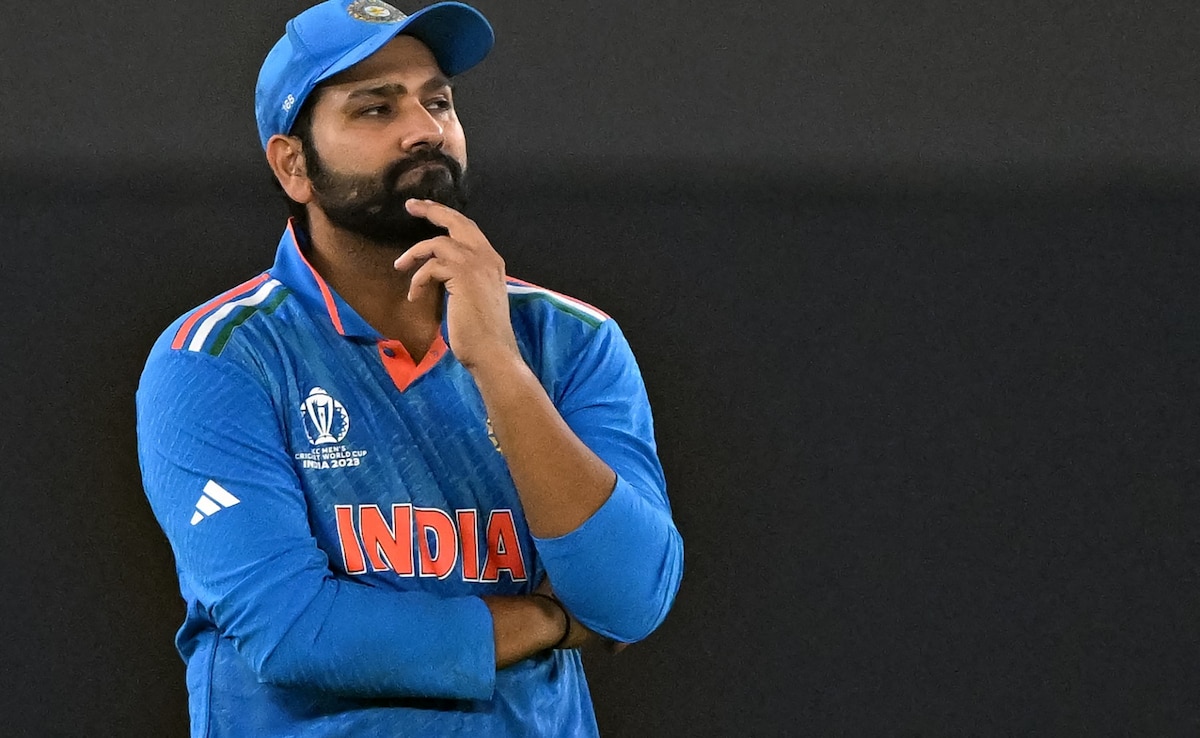
In the wake of the Board of Control for Cricket in India (BCCI) relieving Rohit Sharma of the ODI captaincy ahead of the Australia series, sharp criticism has surfaced from former players and pundits, who see the move as a bold statement—one many interpret as a harsh message to a celebrated leader.
Former India cricketer Manoj Tiwary was among the most vocal. He described Rohit’s removal as a “clear sign of disrespect,” pointing to the many milestones and successes the cricketer achieved for Team India. Tiwary questioned the justification, asking whether results alone warranted stripping a captain of his role, especially one who delivered consistently. He also hinted that internal dynamics—possibly control over narratives—may have influenced the decision. This strong reaction underscores how deeply Rohit’s legacy is felt within the cricket fraternity.
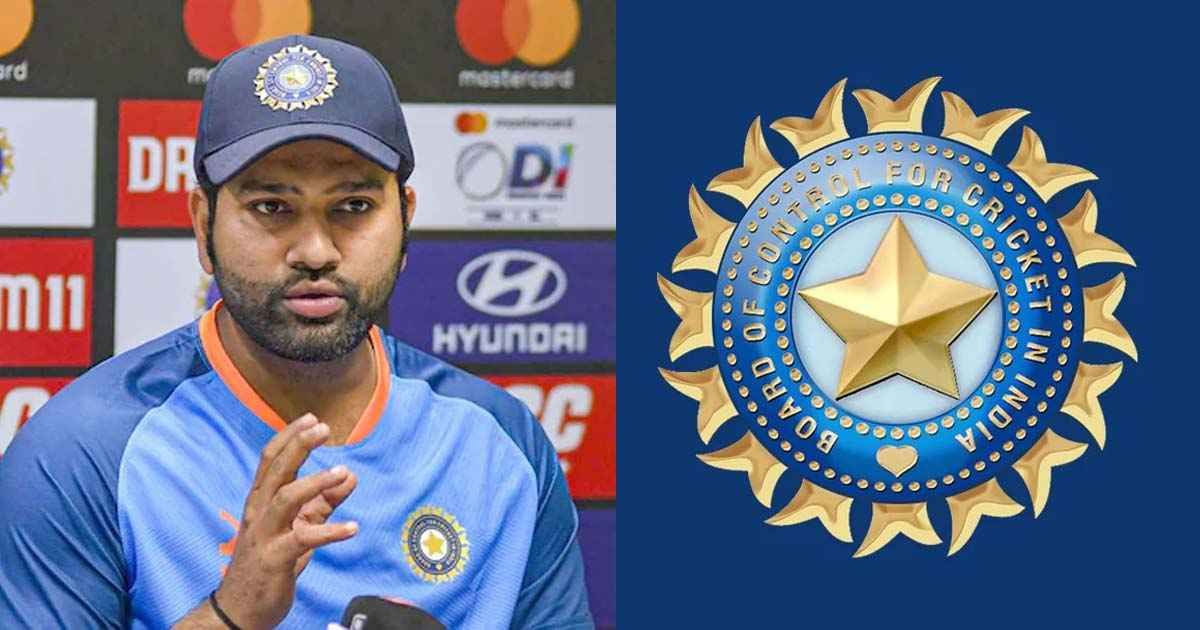
Critics argue that BCCI’s move sends multiple signals. First, it underscores that even legends of the game must remain subordinate to board strategy. Second, by announcing the change so close to the Australia tour, selectors leave little runway for transition or emotional closure. In many eyes, the timing amplifies the perceived slight.
Supporters of the decision, however, assert that the change is part of strategic planning. With Shubman Gill assuming the ODI role in addition to his Test captaincy, the board appears to be consolidating leadership roles for clarity and continuity. Some endorse the notion that Rohit and Virat Kohli were already being phased out of formal captaincy duties, and the ODI change was a logical, if uncomfortable, step in that direction.
Whether one reads the shift as professional cold strategy or as a regrettable oversight of Rohit’s contributions, it is clear the message sent by the BCCI is loud and provocative. The cricketing world is watching not just the results in Australia, but how Rohit responds, how Gill leads, and how the board manages transitions in an emotionally charged leadership change.
Leave a Reply