
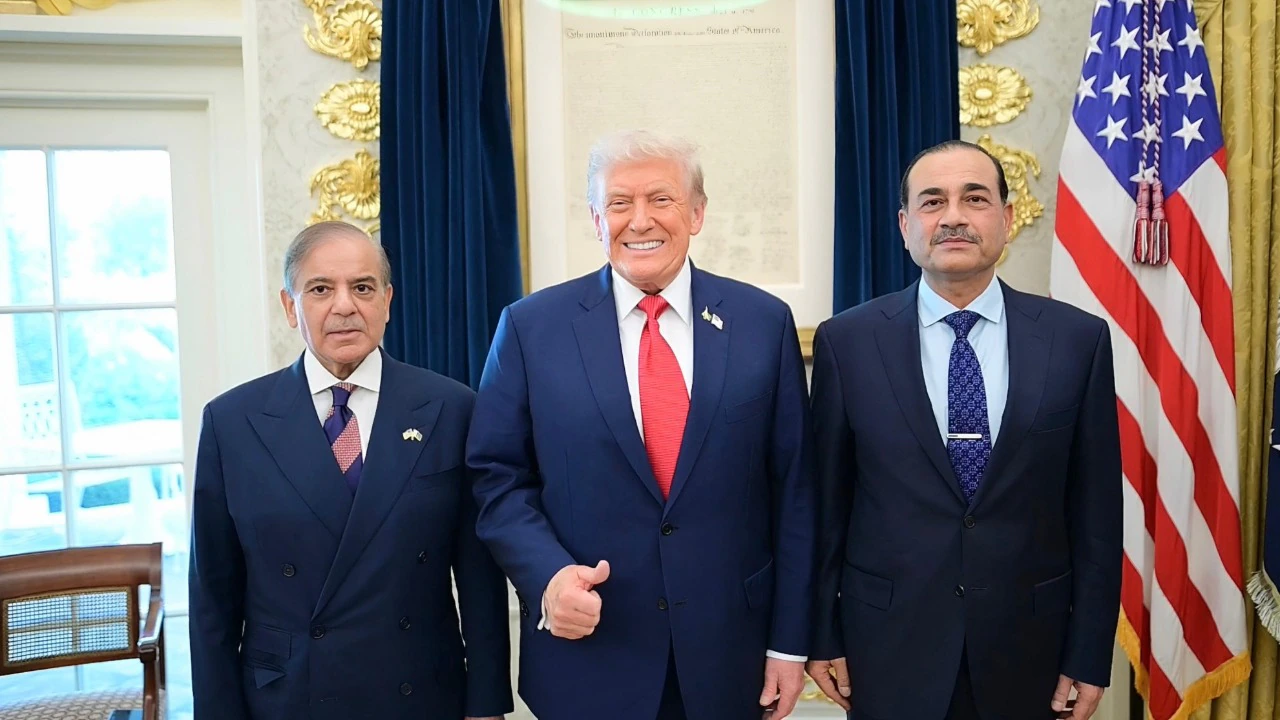
Just days after Pakistan’s Prime Minister Shehbaz Sharif and Army Chief Field Marshal Asim Munir met with former U.S. President Donald Trump, advisers to Pakistan’s military have reportedly floated a bold plan: partner with the U.S. to develop and operate a new port on the Arabian Sea. The proposal—centered on the coastal town of Pasni in Balochistan—is aimed at bolstering economic ties, counterbalancing Chinese influence, and leveraging Pakistan’s mineral resources for strategic advantage.
The Pasni Port Proposal
According to multiple reports, the plan envisions American investors designing, building, and managing a deep-sea terminal at Pasni. The terminal would serve as a strategic gateway for Pakistan’s critical minerals in western provinces. To complement the port, a proposed rail corridor would link it to mineral-rich areas, enabling efficient transportation of raw materials.
Importantly, sources say the blueprint explicitly rules out granting access for U.S. military bases. The focus is framed as a commercial and diplomatic venture rather than a security foothold.
The estimated cost of the project is around USD 1.2 billion, with funding expected to be a joint effort between Pakistani state agencies, development finance institutions, and American stakeholders. The offer was reportedly shared with U.S. officials ahead of the Munir-Trump meeting, and some of the details were discussed with Munir himself before the White House visit.
Strategic and Geopolitical Implications
This proposal marks a significant shift in Pakistan’s foreign policy calculus—one that seeks to rebalance its alignment and open a corridor with the U.S. beyond military and security cooperation. Key motivations include:
- Diversifying partnerships: Long reliant on Chinese investment—especially in the China–Pakistan Economic Corridor (CPEC)—Pakistan may see fresh U.S. engagement as a hedge against overdependence.
- Resource leverage: The western provinces of Pakistan are known to host deposits of copper, antimony, and other minerals. Creating a port linked to these resources could generate export potential and economic growth.
- Regional influence: Pasni’s location—relatively close to Iranian and Central Asian coastlines—gives it strategic value. Paired with Gwadar (China’s flagship project in Pakistan), it could offer a dual-port posture that tempers Chinese dominance in maritime infrastructure.
- U.S. interest in access: For the U.S., involvement in Pasni might offer a presence in South Asia while staying within the bounds of economic cooperation (without directly establishing military installations).
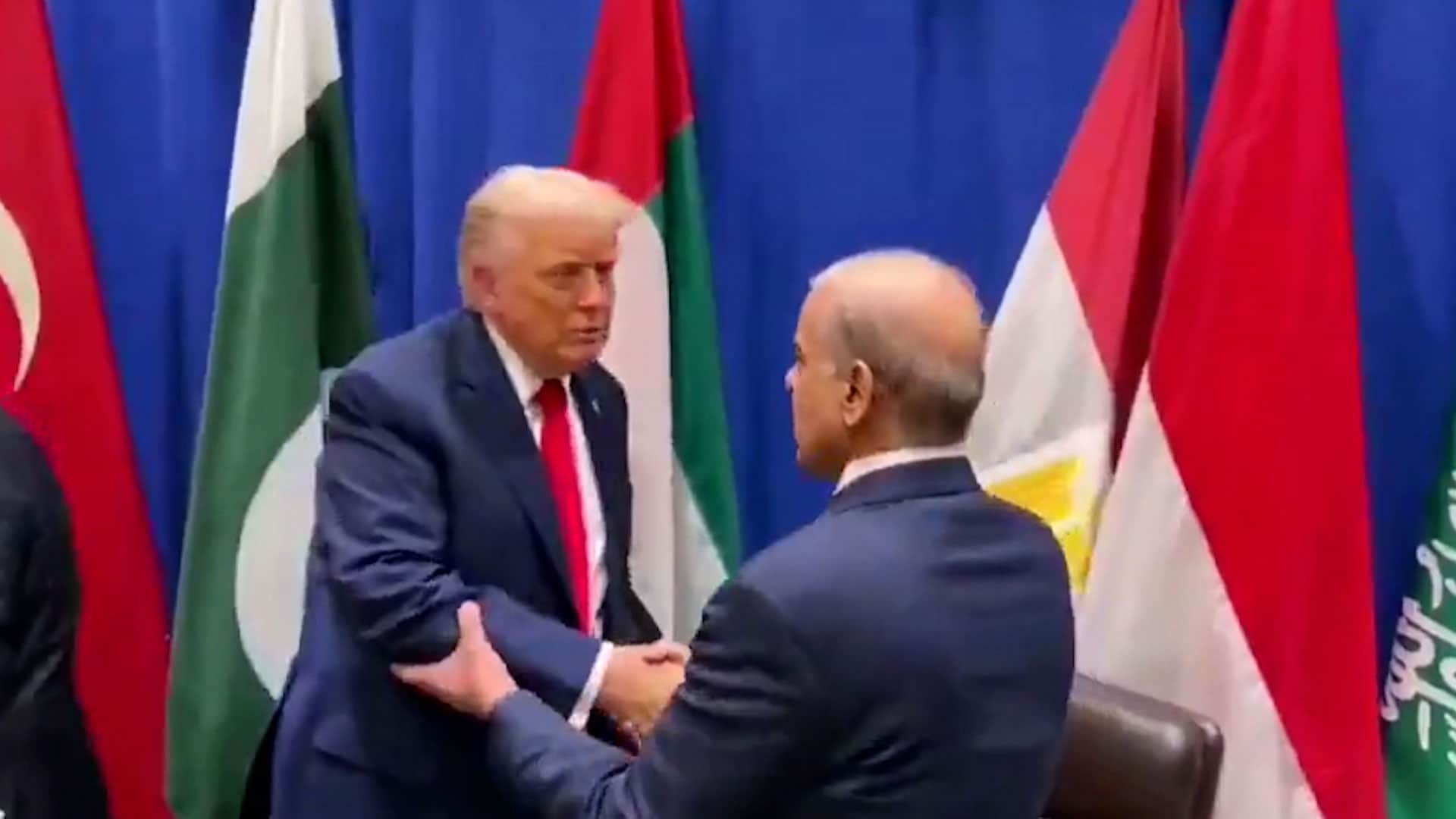
However, the proposal is described in reports as unofficial and exploratory. Whether it will translate into formal policy depends on U.S. receptivity, regional pushback, and internal Pakistani agreement.
Challenges and Risks
Numerous hurdles stand in the path of realization:
- Political consensus: The proposal originated from military advisers; civilian government, provincial authorities, and parliament would need alignment.
- National sovereignty concerns: In Pakistan’s political climate, any foreign role in strategic infrastructure triggers debates over sovereignty and control.
- Chinese strategic implications: China’s existing investment in Gwadar under CPEC gives it deep stakes in maritime infrastructure. A competing port may strain Pakistan-China ties.
- Financing and return on investment: Mineral extraction, port traffic, and railway viability must justify capital expenditure and attract credible investors.
- Security and instability: Balochistan faces security challenges and insurgency. Ensuring safe construction, operation, and supply routes would be critical.
- Regional reaction: India and Iran, as nearby actors, may closely monitor Pasni’s development. Iran’s development of Chabahar port, for instance, could face direct competition.
What Comes Next
- Pakistani authorities may formally submit the port proposal to U.S. agencies for feasibility evaluation.
- Diplomatic channels and back-channel consultations will likely test whether the U.S. is willing to align economically without deepening security entanglements.
- Chinese responses may include renegotiation or expansion of Gwadar, or efforts to ensure Pasni’s development does not diminish China’s role.
- Domestic Pakistani debates may intensify, especially in Balochistan, about control, benefits, and local inclusion in the project.
- Media and analysts will watch for public statements from the U.S. State Department, Pentagon, and Pakistani leadership to confirm or deny the plan.
In summary, the Pasni port proposal represents a high-stakes gambit by Pakistan to reshape its strategic orientation—shifting from security dependency toward economic diplomacy. Whether this blueprint materializes will depend on diplomatic resolve, regional balance, and institutional governance.
Leave a Reply