
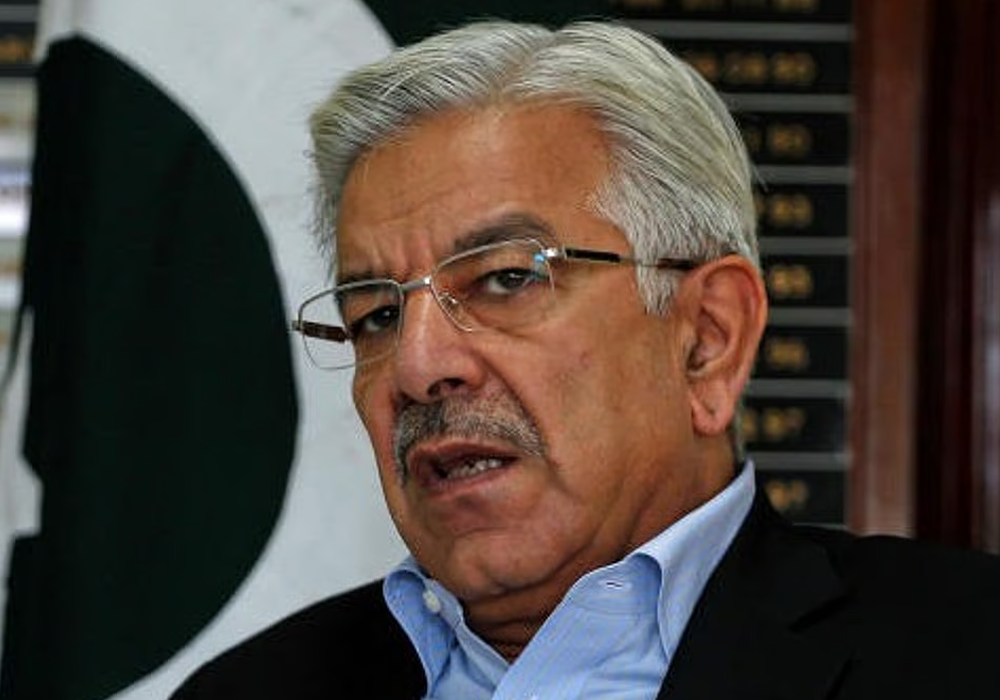
In a rare and candid admission, Pakistan’s Defence Minister Khawaja Asif has acknowledged that the country functions under a hybrid political system where power is shared between the civilian government and the military establishment. His remarks have once again brought the spotlight on the powerful role of the army in Pakistan’s governance structure.
Admission of Power Sharing
Speaking in an interview with journalist Mehdi Hasan, Asif explained that the civilian government and the army do not function independently when it comes to decision-making. Instead, both sides operate through a system of “consensus.” According to him, major national policies and key governance issues are decided jointly, with neither side taking unilateral action.
When asked directly whether Army Chief General Asim Munir held more influence than the elected leadership, Asif rejected the suggestion of outright dominance. However, he conceded that decisions are rarely taken without the military’s involvement. “We agree to disagree, but eventually decisions are made by consensus,” he remarked.
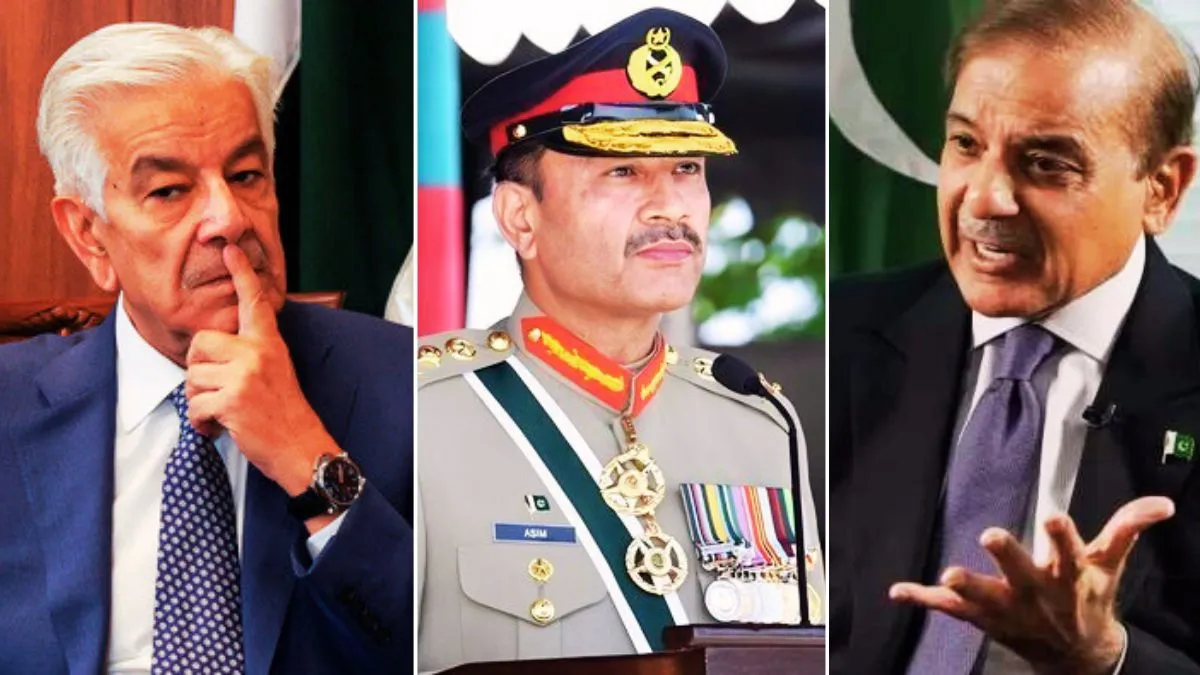
Defending the Hybrid Model
While admitting that Pakistan’s governance framework is not fully democratic, Asif defended the existing arrangement. He argued that under the current political and economic climate, this model was “delivering” and helping the country navigate instability. He described it as a practical necessity for Pakistan, even if it falls short of democratic ideals.
He further added that the hybrid arrangement was not unique to Pakistan. According to Asif, several countries across the world have seen state institutions and security establishments exert influence over elected governments in different ways.
Political and Historical Context
The acknowledgement is significant given Pakistan’s history, where the military has either directly ruled the country through coups or exercised strong control over elected governments from behind the scenes. Critics often argue that the army continues to be the most influential power centre in Islamabad, overshadowing democratic institutions.
Pakistan has witnessed repeated cycles of military interventions, from General Ayub Khan’s coup in the 1950s to General Pervez Musharraf’s takeover in 1999. Even during civilian rule, governments have often been accused of functioning under military pressure or influence. Asif’s candid remarks appear to validate long-standing claims by opposition leaders, political observers and democracy advocates.
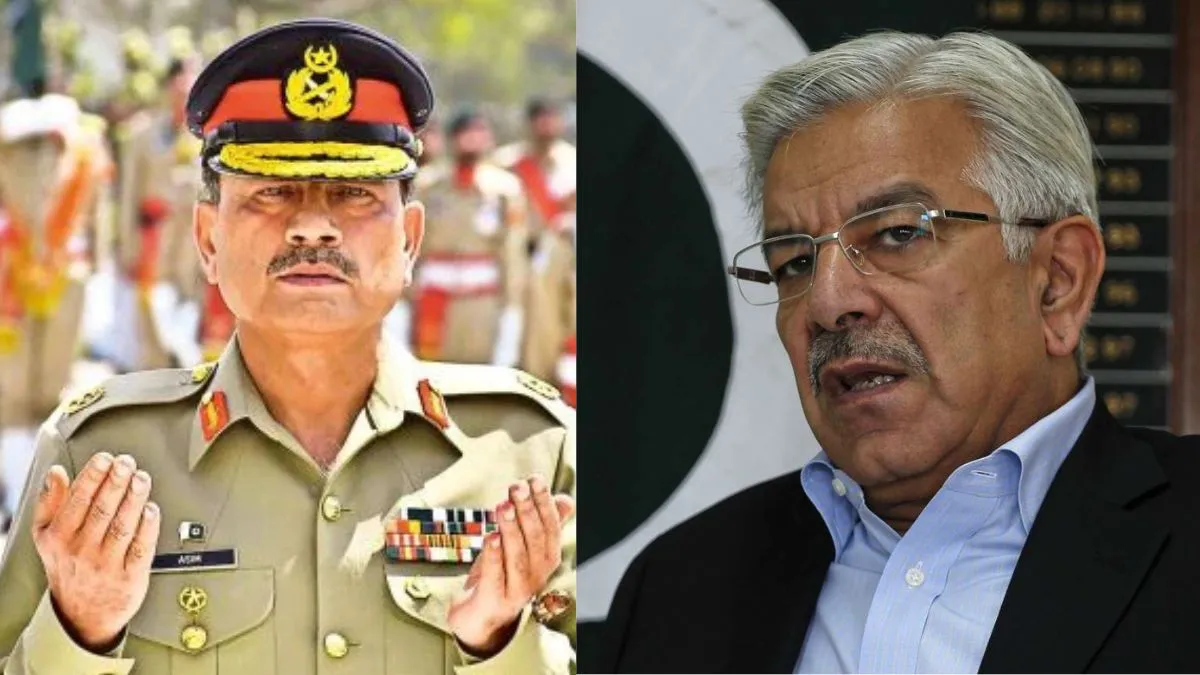
Implications of the Statement
The Defence Minister’s statement is likely to spark fresh political debate inside Pakistan. Supporters of the current government may argue that power sharing ensures stability, while critics are expected to highlight it as proof of weak democratic institutions and limited civilian authority.
Internationally, the admission may also strengthen the perception of Pakistan as a state where elected governments do not enjoy complete autonomy, with the military playing a decisive role in shaping foreign policy, security priorities and even domestic governance.
Democracy vs. Reality
Khawaja Asif’s comments underline the complex reality of Pakistan’s governance system. While the country continues to hold regular elections and maintain civilian governments, the military’s role remains deeply entrenched. The minister’s open acknowledgment of a hybrid model reflects both the political constraints of the civilian leadership and the enduring power of the armed forces.
For India and other neighbours, these developments are closely watched, as Pakistan’s internal political balance directly influences its foreign policy decisions, including its approach towards cross-border relations and security issues in the region.
Leave a Reply