
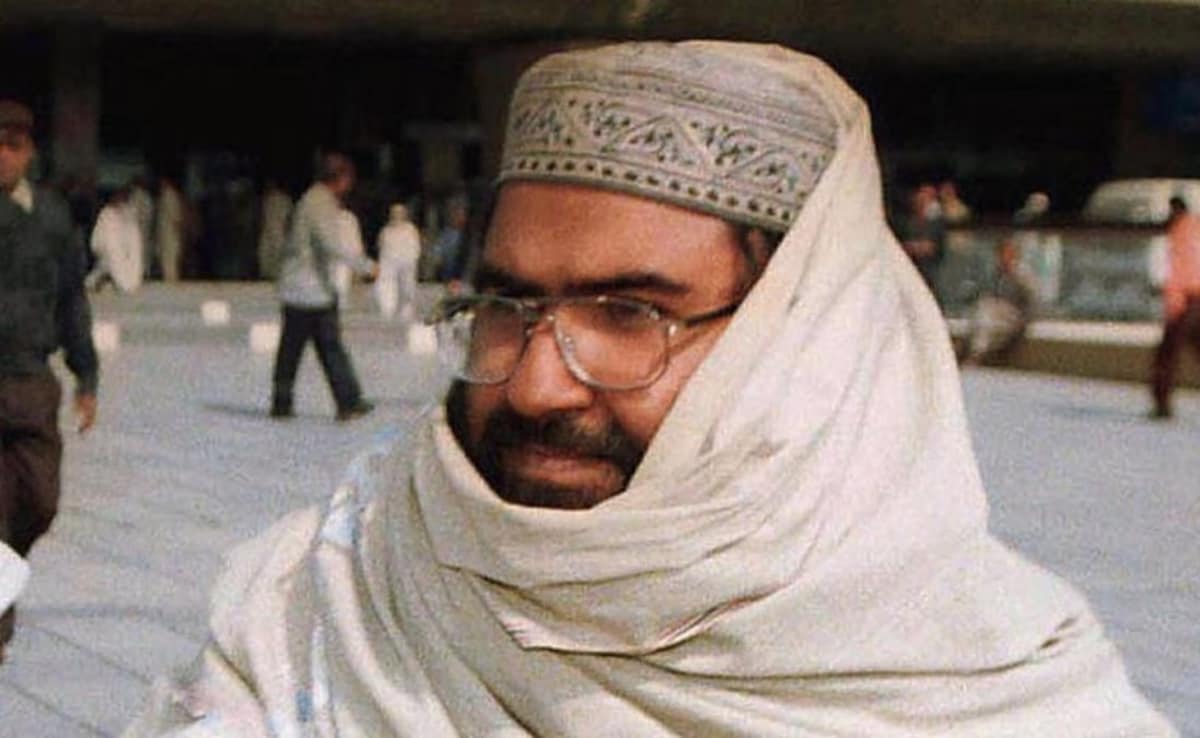
In a major revelation, a senior commander of Jaish-e-Mohammed (JeM) has admitted that Maulana Masood Azhar, the founder of the banned terror outfit, was the key architect behind the 2001 Parliament attack in New Delhi and the 2008 Mumbai 26/11 attacks. This admission has reinforced India’s long-standing allegations that Azhar, sheltered in Pakistan, has been at the centre of several deadly terror plots targeting India.
According to the disclosure, Masood Azhar, who was released from Indian custody in December 1999 after the hijacking of Indian Airlines flight IC-814, returned to Pakistan and reorganized JeM with new vigour. Once back, he reportedly used Balakot in Pakistan as a major operational hub to plan and direct large-scale terror strikes on Indian soil.
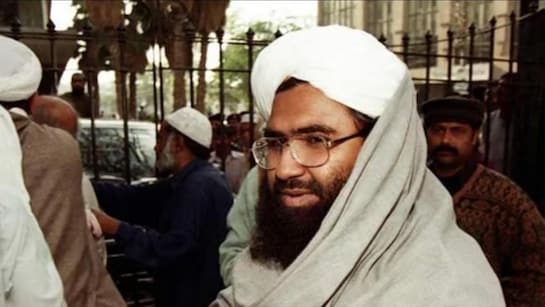
The commander revealed that Azhar’s leadership earned him the title “Amir-ul-Mujahideen” within militant ranks. He allegedly played a direct role in planning and supervising attacks that shook India, including the assault on the Indian Parliament in December 2001, which left the nation on the brink of war, and the 26/11 Mumbai terror strikes in November 2008, which claimed over 170 lives and injured hundreds.
The disclosure also shed light on the aftermath of “Operation Sindoor,” India’s retaliatory campaign launched following the Pahalgam terror attack that killed 26 civilians. During this operation, Indian forces targeted Bahawalpur—considered Azhar’s stronghold and JeM’s headquarters—as well as Muridke. The commander claimed that Azhar’s family suffered losses during the Bahawalpur strikes, highlighting the deep impact of India’s counter-terror measures.
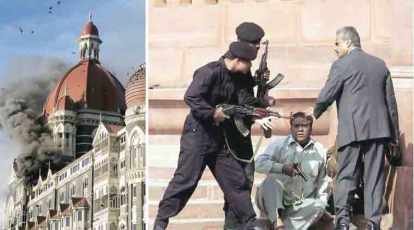
This confession carries strong implications for Pakistan, which has repeatedly denied providing safe havens to terrorist groups. The acknowledgment from within JeM challenges Islamabad’s stance and is likely to heighten global pressure on the country to take decisive action against terror networks operating from its soil.
For India, the statement not only validates intelligence assessments made over the years but also strengthens its case in international forums about Pakistan-based terror outfits being directly involved in cross-border terrorism.
Masood Azhar, already designated as a global terrorist by the United Nations, remains one of the most wanted men in India. His direct link to two of the most high-profile terror attacks in India’s history—confirmed by his own organization—marks a significant moment in the global fight against terrorism.
Leave a Reply