
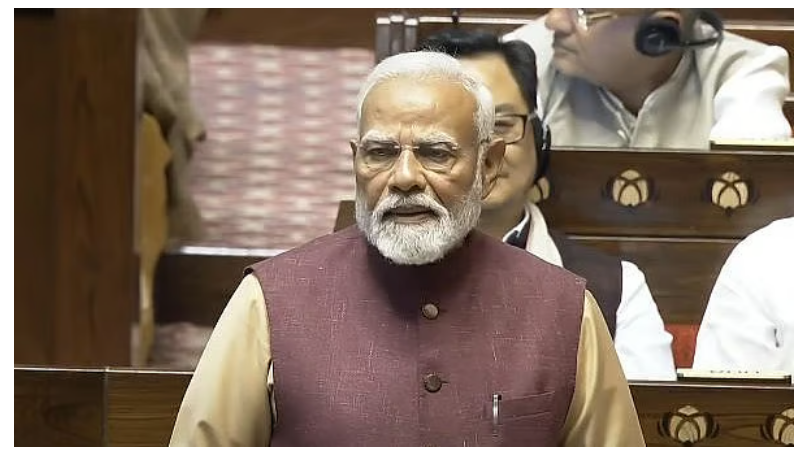
Prime Minister Narendra Modi will not deliver India’s address at the General Debate of the 80th United Nations General Assembly (UNGA) session later this month. According to a revised provisional list of speakers released on Friday, External Affairs Minister S Jaishankar will represent India and speak on September 27.
The 80th UNGA session opens on September 9, with the high-level General Debate scheduled from September 23 to 29. Brazil will deliver the first speech as per tradition, followed by US President Donald Trump, who will make his first UNGA address since beginning his second term.
Initially, Modi was scheduled to speak on September 26, according to an earlier provisional list issued in July. However, the latest update confirmed the change. On September 26, leaders of Israel, China, Pakistan and Bangladesh are slated to deliver their addresses. Modi had earlier visited the US in February for a bilateral meeting with Trump, even as Washington imposed tariffs of up to 50 per cent on Indian imports, including a 25 per cent levy on New Delhi’s purchases of Russian oil.
This year’s UNGA session takes place against the backdrop of two major global crises — the Israel-Hamas war and the ongoing Russia-Ukraine conflict. The official theme is “Better together: 80 years and more for peace, development and human rights.” The session will open with a commemorative meeting on September 22 to mark the 80th anniversary of the United Nations.
The week will also feature several high-level events, including a meeting on the 30th anniversary of the Beijing Declaration and Platform for Action on gender equality, a Climate Summit on September 24, and discussions on noncommunicable diseases, mental health, global youth action, AI governance, and nuclear disarmament. The plight of Rohingya Muslims and other minorities in Myanmar will also be on the agenda.
Widely regarded as the “busiest diplomatic season” at the UN headquarters, the high-level UNGA week will once again provide a platform for world leaders to outline their priorities on peace, security, development and multilateral cooperation.
Leave a Reply