
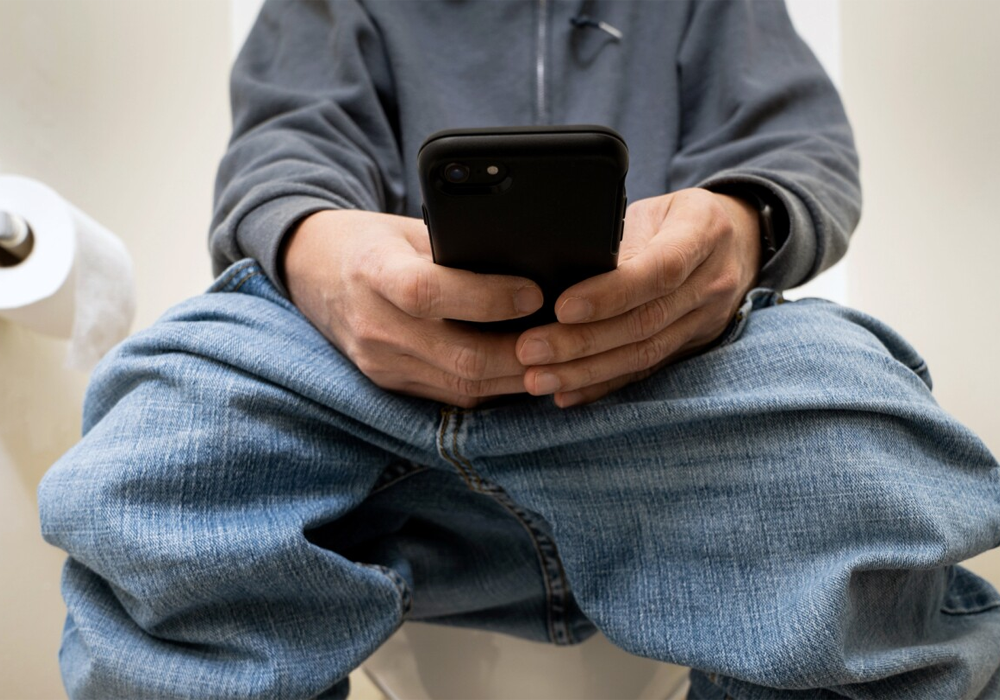
In the age of digital convenience, smartphones have become constant companions—even in the bathroom. However, emerging research suggests that this modern habit may come with an unexpected health cost. A new study published in the journal PLOS ONE reveals a strong correlation between smartphone use during bowel movements and an increased incidence of hemorrhoids among adults.
Research Overview
Researchers from Beth Israel Deaconess Medical Center in Boston conducted an observational study involving 125 adult participants, all undergoing routine screening colonoscopies. The aim was to explore behavioral factors contributing to the development of hemorrhoids, a condition affecting a significant proportion of the global population but often trivialized or misunderstood.
Of the participants, 66% reported using smartphones while on the toilet, with many spending more than five minutes per visit. These prolonged bathroom sessions were found to be directly associated with a 46% higher likelihood of developing hemorrhoids, independent of other known risk factors.
Key Findings
- Prevalence of Toilet Smartphone Use:
Smartphone use during defecation was widespread, especially among younger and middle-aged adults. Over half admitted to scrolling or reading on their phones during bathroom time. - Time Spent on the Toilet:
A significant difference in duration was observed between users and non-users. 37.3% of phone users spent more than five minutes per session, compared to only 7.1% of non-users. - Hemorrhoid Risk Increased by 46%:
After adjusting for age, sex, BMI, diet, fiber intake, physical activity, and straining habits, the data revealed a statistically significant association between smartphone use and the presence of hemorrhoids. - No Strong Correlation with Straining Alone:
Interestingly, the study challenged the traditional assumption that straining is the main cause of hemorrhoids. Instead, prolonged time seated on a toilet, often due to smartphone use, was identified as a more critical risk factor.
Physiological Explanation
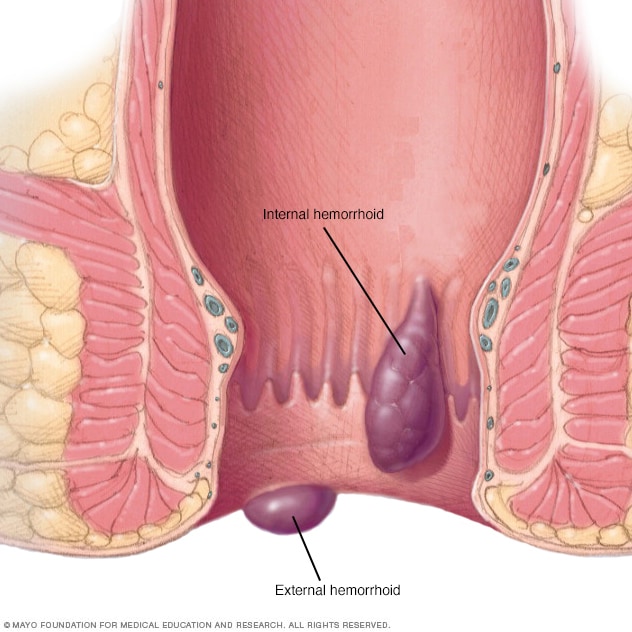
The anatomical position when sitting on a Western-style toilet places the pelvic floor in a semi-relaxed but unsupported state. When individuals sit for extended periods—especially while distracted—they increase venous pressure in the rectal and anal regions, leading to engorgement of the hemorrhoidal plexus.
This contributes to the development of internal and external hemorrhoids, characterized by swelling, discomfort, bleeding, and in some cases, prolapse.
Expert Recommendations
Medical professionals suggest that preventing hemorrhoids may require behavioral changes as much as dietary or medical interventions. Based on the study’s conclusions, the following practices are advised:
- Limit toilet time to under 5 minutes.
- Avoid bringing smartphones or reading material to the bathroom.
- Adopt a high-fiber diet and drink adequate water to promote smooth bowel movements.
- Use a footstool or squatty potty to improve anorectal angle and reduce strain.
- Seek medical advice if symptoms of hemorrhoids persist or worsen.
Study Limitations & Future Research
The authors acknowledge that the study’s cross-sectional design prevents it from establishing direct causality. More longitudinal studies are needed to conclusively determine how behavioral factors like smartphone use affect gastrointestinal health over time.
Nonetheless, the findings add to a growing body of evidence on how modern digital habits may contribute to physical ailments previously thought unrelated to lifestyle technology.
While smartphones have transformed many aspects of daily life, their presence in the bathroom may be contributing to a hidden public health issue. This study provides a compelling case for re-evaluating bathroom behavior, especially among individuals prone to hemorrhoids or gastrointestinal discomfort.
Taking a step back from screens—even for a few minutes—may not only be beneficial for mental clarity but also crucial for your digestive health.
Leave a Reply