
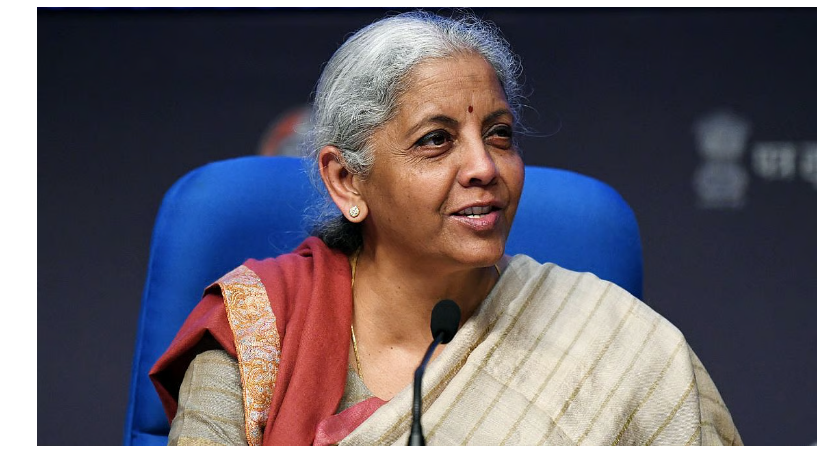
Union Finance Minister Nirmala Sitharaman on Friday said that the recent GST rate cut will help boost domestic growth and counter the adverse impact of the US’s 50% tariff hike on Indian exports. Speaking in an interview, she stressed that India will continue to buy Russian oil based on economic considerations, as crude oil remains the costliest item in the country’s import bill.
The GST rate cuts on various goods and services will come into effect from September 22. Sitharaman said the government’s main focus will be to ensure that the benefits of the reduced rates are passed on to consumers. “We have a lot of work post-22nd September. It is a big vigilance exercise and we are confident the benefits will reach the common man,” she said.
The Finance Minister added that MPs and industry stakeholders will play an active role in monitoring the implementation of price reductions. She reiterated that India’s oil purchase decisions are driven by price and logistics, noting, “Since oil is a big-ticket foreign exchange-related item and the costliest item in India’s import bill, we will undoubtedly be buying Russian oil.”
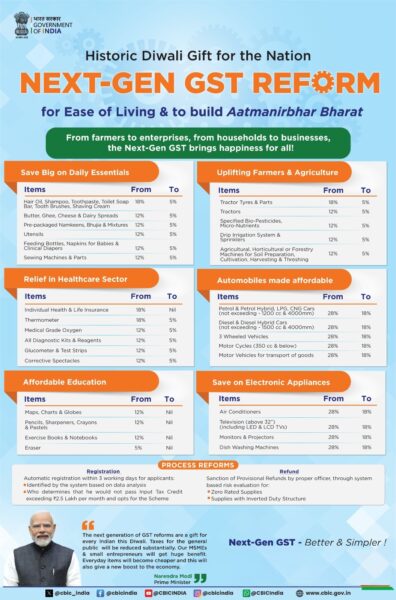
On the impact of US tariffs, Sitharaman highlighted that increased domestic demand, spurred by GST 2.0 reforms, would balance out the slowdown in exports. She also mentioned that the government would roll out support measures for sectors directly affected by the tariff hike.
Under GST 2.0, the system has been simplified to two slabs of 5% and 18%, replacing the earlier 12% and 28% brackets. Luxury and sin goods, such as pan masala, tobacco, aerated drinks, high-end cars, yachts, and private aircraft, will continue to attract a 40% tax. The revamp also brings simplified registration, faster refunds, reduced compliance costs, and better clarity for businesses and states.
Sitharaman noted that Prime Minister Narendra Modi had suggested revamping the GST framework eight months ago with a strong focus on easing burdens for the middle class and businesses. She described GST 2.0 as a system designed to minimise disputes and ensure transparency for all stakeholders.
Leave a Reply