
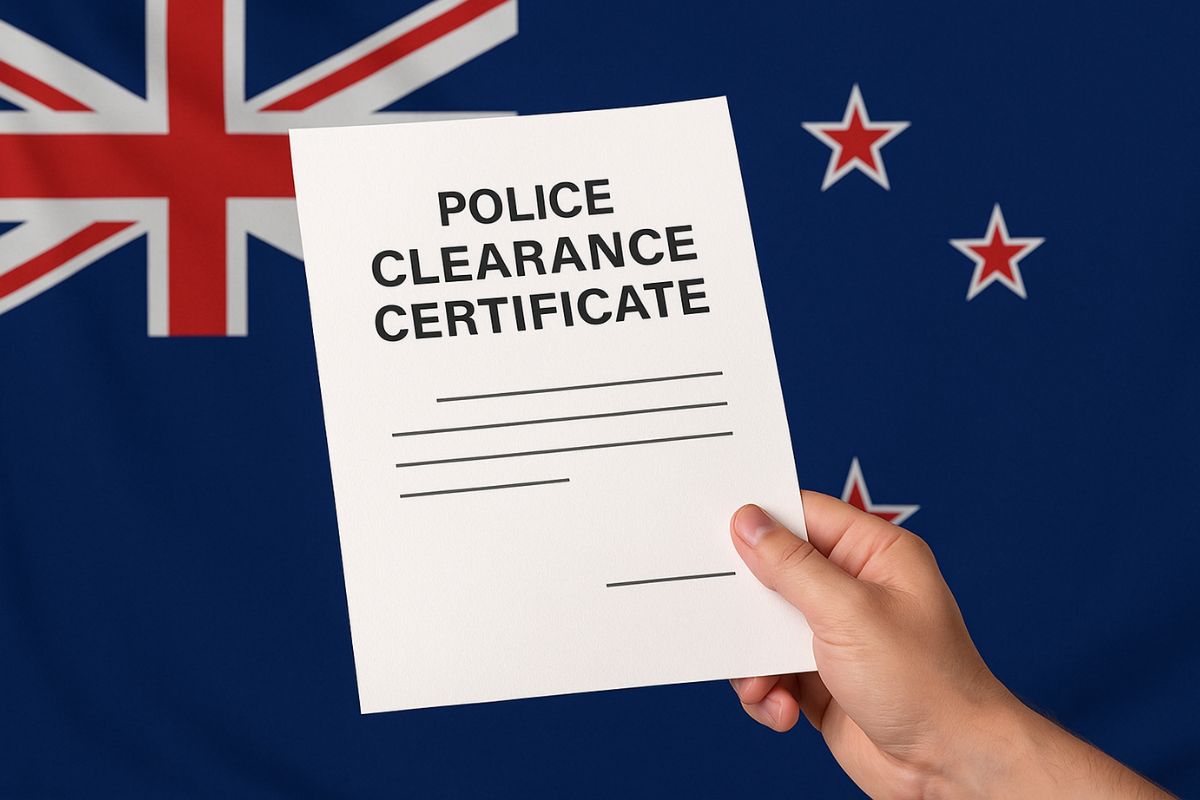
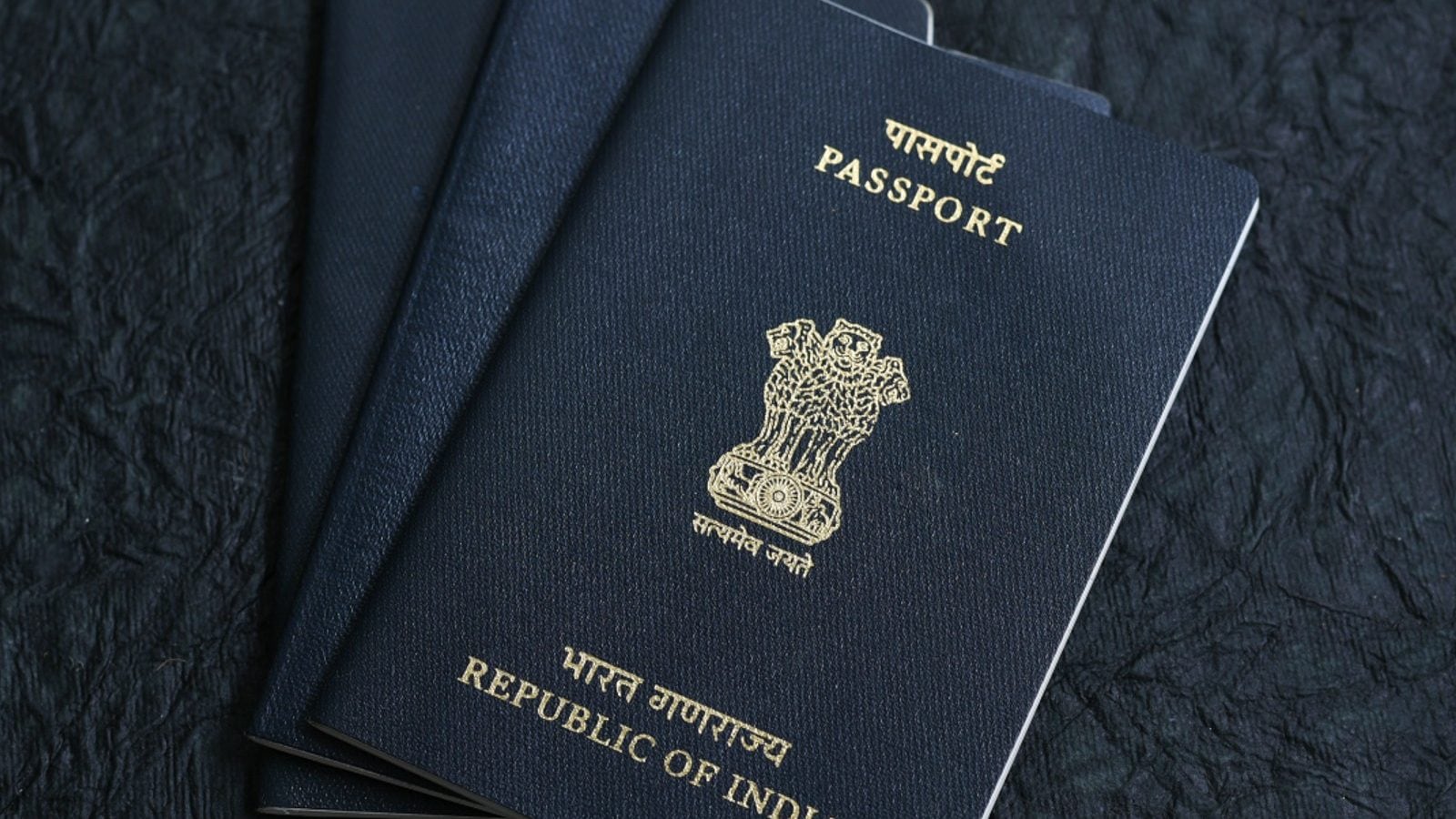
In a significant policy update, Immigration New Zealand (INZ) has announced that from December 1, 2025, Indian nationals residing in India who apply for visas will be required to submit police clearance certificates (PCCs) issued only by Regional Passport Offices (RPOs) under the Ministry of External Affairs (MEA), Government of India.
The move eliminates the acceptance of certificates previously issued by local police stations, district superintendent offices, or deputy commissioner offices. According to INZ, this shift is intended to standardize documentation, strengthen verification processes, and reduce delays in background checks for Indian applicants.
Why the Change?
Officials explained that the earlier system created inconsistencies. PCCs issued by different local authorities across India varied in format, content, and verification procedures. Immigration officers often faced difficulties cross-checking authenticity, leading to procedural delays.
“Police clearance is a cornerstone of New Zealand’s visa evaluation process. By restricting acceptance to RPO-issued certificates, we are ensuring greater uniformity, credibility, and speed in processing Indian applications,” an INZ spokesperson said in a statement.
New Rules at a Glance
- Issuing Authority: Certificates must come exclusively from Regional Passport Offices (RPOs) under MEA.
- Validity Period: PCCs must be issued within six months of submission.
- Language Requirement: If a certificate is not in English, it must be accompanied by an official English translation.
- Fingerprinting: Some RPOs may request fingerprints as part of the issuance process.
- Existing Certificates: Applicants who have already submitted a valid PCC (generally under one year old) may not need to reapply, though immigration officers reserve the right to demand an updated certificate.
Who Will Be Affected?
The new requirement applies only to Indian citizens living in India. Indians living abroad, as well as foreign nationals who have resided in India, remain subject to different background verification procedures.
Immigration experts suggest that applicants preparing for student, work, or residency visas should apply for PCCs well in advance at their nearest RPO, considering the potential rise in demand once the rule comes into force.
Industry and Applicant Reaction
Visa consultants in India have described the policy as “strict but practical.” According to them, obtaining PCCs from local police stations was often quicker but came with inconsistencies in format and acceptance. By consolidating issuance under the passport offices, they say, both applicants and immigration authorities will gain clarity.
However, some also warn of possible processing bottlenecks at RPOs due to the volume of requests. India issues tens of thousands of police clearances annually for overseas education, employment, and migration purposes.
“While this move makes sense for document verification, the government must ensure that passport offices are equipped to handle the surge in demand, especially in metro cities like Delhi, Mumbai, and Bengaluru where visa applications are very high,” said a senior immigration consultant based in New Delhi.
Diplomatic Context
The decision also reflects the growing scrutiny of immigration systems worldwide, with host countries tightening due diligence for applicants. New Zealand, in particular, has seen a surge in visa applications from Indian students and workers in recent years, making India one of its top source countries for skilled migration and international education.
By aligning its background verification standards with India’s MEA, New Zealand is attempting to build a direct and reliable channel for security checks—something already being practiced by several Western nations.
What Applicants Should Do Now
- Apply for PCCs only through the RPOs of the MEA, either online or via Passport Seva Kendras.
- Ensure the certificate is less than six months old when submitting to INZ.
- Prepare translations if the certificate is not in English.
- Expect potential longer wait times for issuance as demand rises toward the implementation date.
With this policy, New Zealand has sent a clear message: immigration documentation must be uniform, credible, and verifiable at source. While Indian applicants may face additional administrative steps, the change is expected to streamline visa processing, reduce fraud risk, and enhance the overall transparency of the system.
As December 1 approaches, Indian visa aspirants are being urged to plan early and obtain their police clearances through the proper channels to avoid last-minute hurdles.
Leave a Reply