
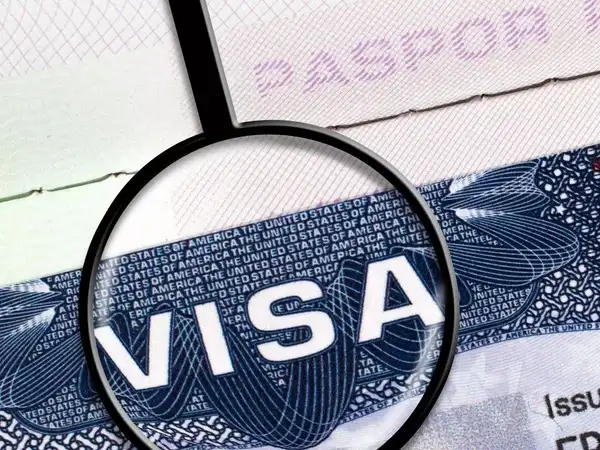
The Trump administration has proposed stricter F-1 visa regulations that could limit the stay of international students in the United States to a maximum of four years. Under the current “duration of status” system, students can remain in the US as long as they maintain enrollment.
The new proposal would replace this flexible system with fixed-term visas, generally capped at four years, with extensions requiring additional approval. This change could significantly impact students pursuing longer programs or planning post-study employment.
Indian students, who often fund their master’s degrees independently, rely heavily on post-study work opportunities such as Optional Practical Training (OPT) and H-1B visas. OPT allows graduates to work in the US for up to 12 months, with STEM graduates eligible for a 24-month extension.
Many Indian students transition from OPT to an H-1B visa via employer sponsorship. The introduction of a four-year cap could constrain these opportunities, creating uncertainty for Indian students’ long-term academic and career plans.
In contrast, Chinese students, another large segment of international students in the US, are less dependent on OPT and H-1B visas. Many return home after completing studies or pursue funded PhD and STEM research programs supported by assistantships that cover tuition and living expenses.
Additionally, undergraduate Chinese students often attend top-ranked programs, ensuring strong career prospects in tier-1 cities like Beijing, Shanghai, and Shenzhen, which reduces the immediate impact of visa restrictions.
Recent months have also seen a shift in Indian students’ study preferences, with growing numbers choosing destinations such as Germany, the UK, Australia, and New Zealand over the US. This trend is especially noticeable among students pursuing non-STEM courses, where the primary benefit of a US education is linked to post-study employment.
While STEM programs remain attractive, visa policy changes and uncertainties around OPT are already affecting admissions cycles.
The proposed rules aim to reduce student visa overstays by replacing the flexible model with fixed-term visas. Students seeking to remain beyond four years would need to apply for extensions, adding administrative complexity and potentially affecting program completion, internships, or job placements.
The changes are expected to impact not only students but also exchange workers and foreign journalists, reflecting a broader shift in US immigration policy under the Trump administration.
Leave a Reply