
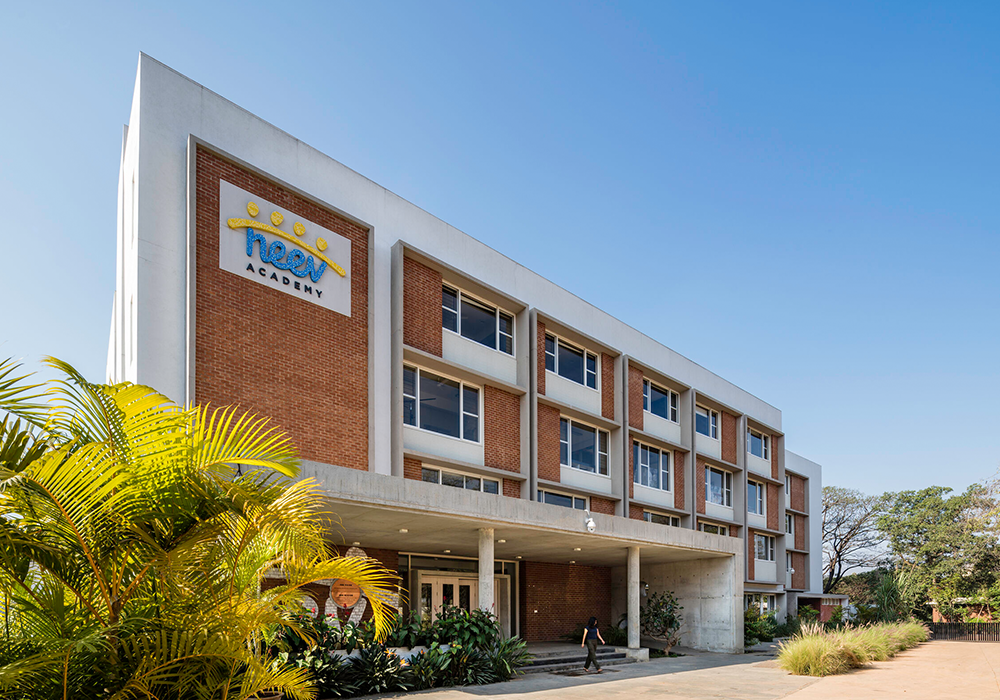
The rising cost of education in Bengaluru has triggered a heated public debate after a viral social media post revealed that even a well-earning IT couple found themselves unable to afford private school fees for their child. The incident has fueled wider conversations about whether quality education in India’s tech capital is becoming a privilege only for the wealthy.
The discussion gained traction after a social media user shared details about annual fee structures in prominent Bengaluru schools, with some institutions reportedly demanding between ₹3.5 lakh to ₹7 lakh per year, excluding additional charges for extracurriculars, transport, and facilities.
Fee Breakdown That Sparked Outrage
The fee document, shared on X (formerly Twitter) by user Hardik Pandya, reveals the following charges for the upcoming academic year:

What shocked many was the testimony of a dual-income IT couple—considered financially secure by most standards—who admitted that despite their combined earnings, the school’s admission costs were beyond their reach. The revelation resonated with thousands of parents across the city, many of whom voiced similar struggles.
“Education is turning into a luxury rather than a necessity,” one parent commented, while others compared fee structures to international private schools. Several pointed out that such costs rival tuition at reputed foreign universities.
The issue has sparked widespread online criticism. Many users questioned how middle-class families could sustain such expenses without compromising on other essential needs like housing, healthcare, and savings.
Educational activists have long warned about the commercialisation of private schooling in metro cities like Bengaluru, where brand value and lavish infrastructure often dictate fee structures. With a lack of strict regulation on private school fee hikes, parents are left with limited choices, especially when government schools face challenges of infrastructure and quality.

Experts argue that the trend reflects a widening inequality in access to education. “The education sector in Bengaluru has shifted from being about learning to being about lifestyle,” said an education policy analyst. “Parents are not just paying for academics, but for prestige, peer network, and luxury amenities.”
The debate has also reignited calls for stronger fee-regulation policies in Karnataka. Several states, including Maharashtra and Gujarat, have introduced legislation to cap private school fee hikes, but enforcement remains weak.
For now, the conversation on social media continues, with parents sharing personal struggles, memes, and suggestions on alternative schooling options such as homeschooling or international online education platforms.
The question that remains is whether Bengaluru’s middle-class families can continue to afford what was once considered the most basic investment for a child’s future: education.
Public Response: Shock, Outrage, and Debate
The fee announcement prompted wide-ranging reactions across social media:
- Financial planner D. Muthukrishnan wrote, “This is unaffordable even for an IT couple earning Rs 50 lakh pretax per annum with two school-going children.”Critics emphasized that education is a basic right, not a privilege of the wealthy.
- Others defended the pricing as reflective of a free-market environment. “For a premier institution, ₹60,000 a month seems reasonable,” one user remarked.
- Several comments compared the fees with international benchmarks—like the American International School in Chennai, which reportedly charges up to ₹27 lakh annually.
Broader Implications and Expert Concerns
The episode has brought longstanding issues into sharp relief: rising costs of private education, widening inequality, and insufficient regulatory oversight. One highlighted concern is how fee hikes are making quality education unattainable even for high-income families. Parents and experts are now urging authorities for greater fee regulation, transparency, and caps to make education equitable.
Leave a Reply