
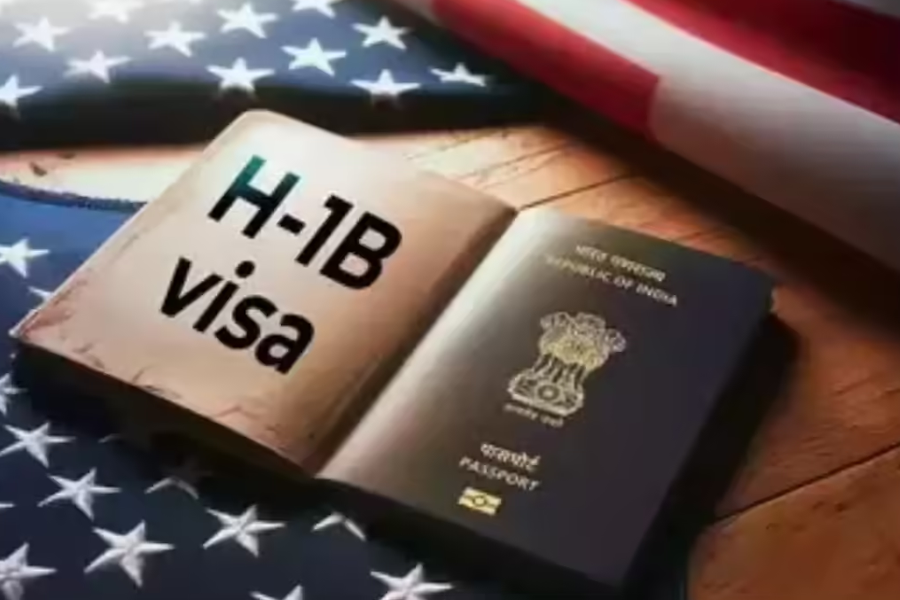
A recent survey conducted on Blind, an anonymous community app for professionals, has revealed growing uncertainty among Indian H-1B and L-1 visa holders in the United States. When asked where they would go if they lost their jobs and had to leave the US, 45% said they would return to India, while 26% would consider relocating to another country. The remaining 29% were undecided, highlighting a significant shift in sentiment among Indian tech professionals in the US.
Several key concerns are keeping many from returning to India despite losing their jobs. The most common reasons include fears of significant pay cuts (25%), lower quality of life (24%), difficulty adjusting culturally or with family (13%), and fewer job opportunities in India (10%). These worries suggest that, even if forced to return, many would do so reluctantly.
When asked if they would still opt for a US work visa given the chance again, only 35% said yes, while 38% said no and 27% remained unsure, suggesting a deepening doubt about the long-term value of American work immigration.
These views are rooted in personal experiences: 35% of respondents said they or someone they knew had been forced to leave the US after a job loss, often under the threat of deportation. Alarmingly, one in six respondents reported receiving a Notice to Appear (NTA) — a formal notice initiating deportation — within weeks of termination, despite the standard 60-day grace period meant to help H-1B holders find new employment or adjust their visa status. Immigration lawyers are now advising affected individuals to leave the US as soon as possible after job loss to avoid the risk of a permanent ban.
Adding to the debate, Donald Trump recently called on American companies to “stop hiring in India,” drawing mixed reactions. According to the same Blind survey, 63% of US-based professionals believed the move could help their companies, while 69% of India-based professionals felt it would hurt their firms.
Meanwhile, new policy changes may further impact the attractiveness of US work and education opportunities for Indians. On August 8, 2025, the US Office of Information and Regulatory Affairs (OMB) approved a proposal titled “Weighted Selection Process for Registrants and Petitioners Seeking to File Cap-Subject H-1B Petitions”. The proposal is now under review by USCIS and open for public comment.
Legal experts expect the proposed rule to be similar to a Trump-era policy from 2021 that aimed to replace the H-1B lottery with a wage-based selection process. If enacted, the new system would prioritize higher-paying jobs and disadvantage entry-level applicants, such as recent graduates, who would have “next-to-no chance” of selection under the new rule, according to attorney Joel Yanovich of the Murthy Law Firm.
Currently, the H-1B program grants 85,000 visas annually, including 20,000 for those with a US master’s degree or higher. The existing system uses a random lottery if applications exceed the cap, which is common, especially among tech companies.
The combination of stricter visa selection, Trump’s nationalist rhetoric, and increased enforcement activity is leading many Indian professionals to reconsider their future in the US, potentially reshaping the global mobility of talent in the coming years.
Leave a Reply