
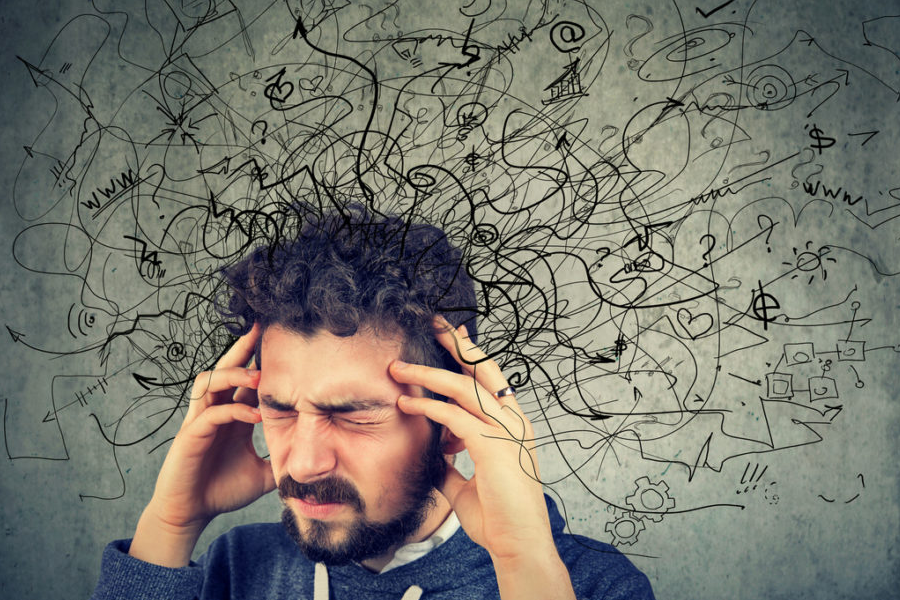
People with heightened sensitivity to their surroundings may be more susceptible to mental health challenges like anxiety and depression, according to a recent study conducted by researchers at Queen Mary University of London. Sensitivity, in this context, is described as an individual’s elevated ability to notice and react to subtle environmental cues such as bright lights, mood shifts, and minor changes in their surroundings.
The study, published in the journal Clinical Psychological Science, analyzed data from 33 previous studies and found a significant positive correlation between high sensitivity and mental health conditions. Lead researcher Tom Falkenstein, a psychotherapist and doctoral candidate, noted that those identified as highly sensitive were more likely to experience not only depression and anxiety but also conditions such as post-traumatic stress disorder (PTSD), agoraphobia, and avoidant personality disorder.

According to Falkenstein, about 31% of the general population can be classified as highly sensitive. Interestingly, this group may also benefit more from specific psychological treatments than less sensitive individuals. Approaches such as applied relaxation and mindfulness have shown promise in helping sensitive individuals manage their mental health and reduce the likelihood of relapse.
The research team emphasizes the importance of recognizing sensitivity as a distinct personality trait within clinical settings. By doing so, mental health professionals can better tailor diagnostic and treatment strategies to suit each patient’s emotional and cognitive makeup. This personalized approach could lead to more effective mental health outcomes and an overall better quality of care for sensitive individuals.
Leave a Reply