
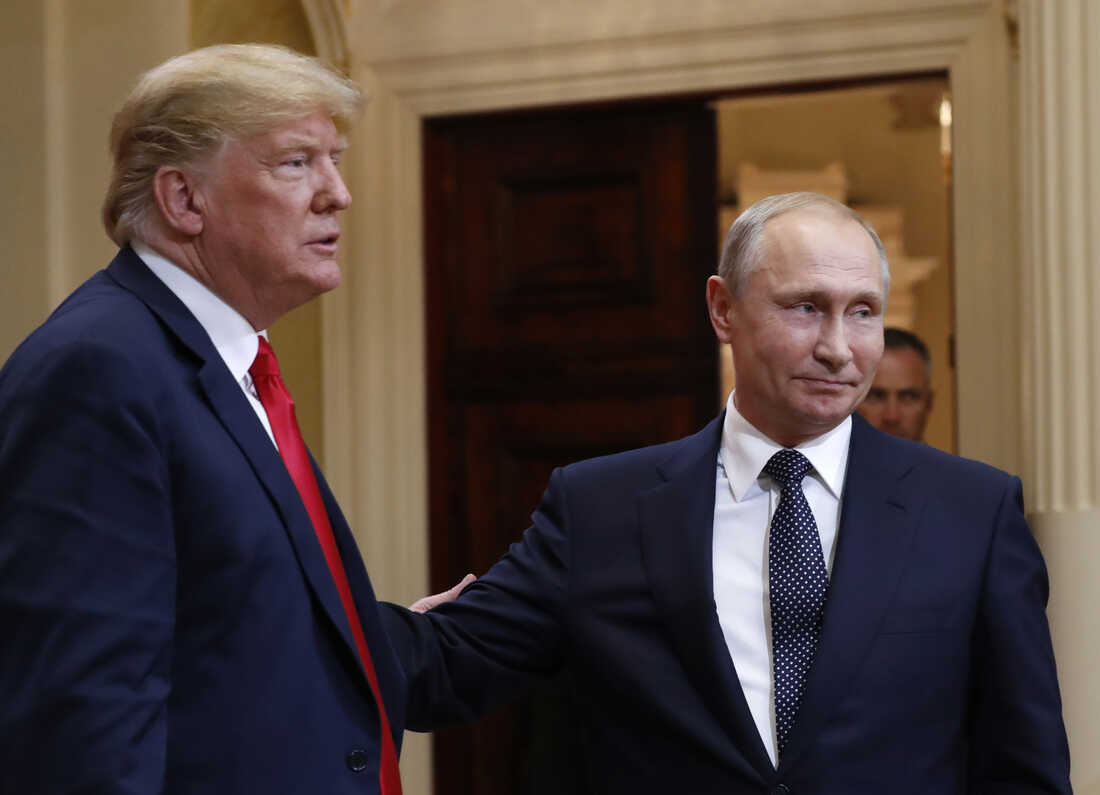
The much-anticipated Alaska summit between US President Donald Trump and Russian President Vladimir Putin concluded without a clear breakthrough, leaving India in a difficult position. Hopes for a positive outcome that could have averted an additional 25% US tariff on Indian exports were dashed, as the two leaders failed to resolve their differences over the Ukraine conflict.
Despite warm diplomatic exchanges, Trump and Putin could not reach an agreement on key issues. At a joint press conference, Putin hinted at an emerging “agreement,” while Trump mentioned “considerable progress” but admitted there was no final deal. “There are just a very few sticking points left,” Trump said, adding that one major issue remains unresolved without naming it. He assured that Ukrainian and European leaders would be briefed on the talks, while Putin expressed optimism that US allies would not undermine any understandings reached.
Putin emphasized improving US-Russia ties, referencing their historic cooperation during World War II and highlighting the potential for strategic and commercial engagement. Trump, who has heavily invested political capital in building ties with Moscow, faces strong resistance within his administration and from European allies who fear rewarding Russian aggression.
For India, the summit’s failure carries significant consequences. Washington has tied punitive tariffs to its Ukraine strategy, targeting nations still buying Russian oil. Since 2022, India has emerged as a major purchaser of discounted Russian crude, a move that bolstered its energy security but invited Western criticism. The US argues that curbing India’s imports will cut Moscow’s revenue stream and push it toward compromise in Ukraine.
On the eve of the summit, US Treasury Secretary Scott Bessent warned of additional tariffs if no deal was reached and urged European nations to join Washington in sanctioning countries trading with Russia. A bill under consideration in Congress could allow tariffs as high as 500% on states sustaining Russia’s war economy.
With no clarity emerging from Alaska, the Modi government faces a tough decision: how much political and economic cost India is willing to bear to maintain its Russian oil connection. The geopolitical consequences of India’s energy strategy now loom larger than ever.
Leave a Reply