
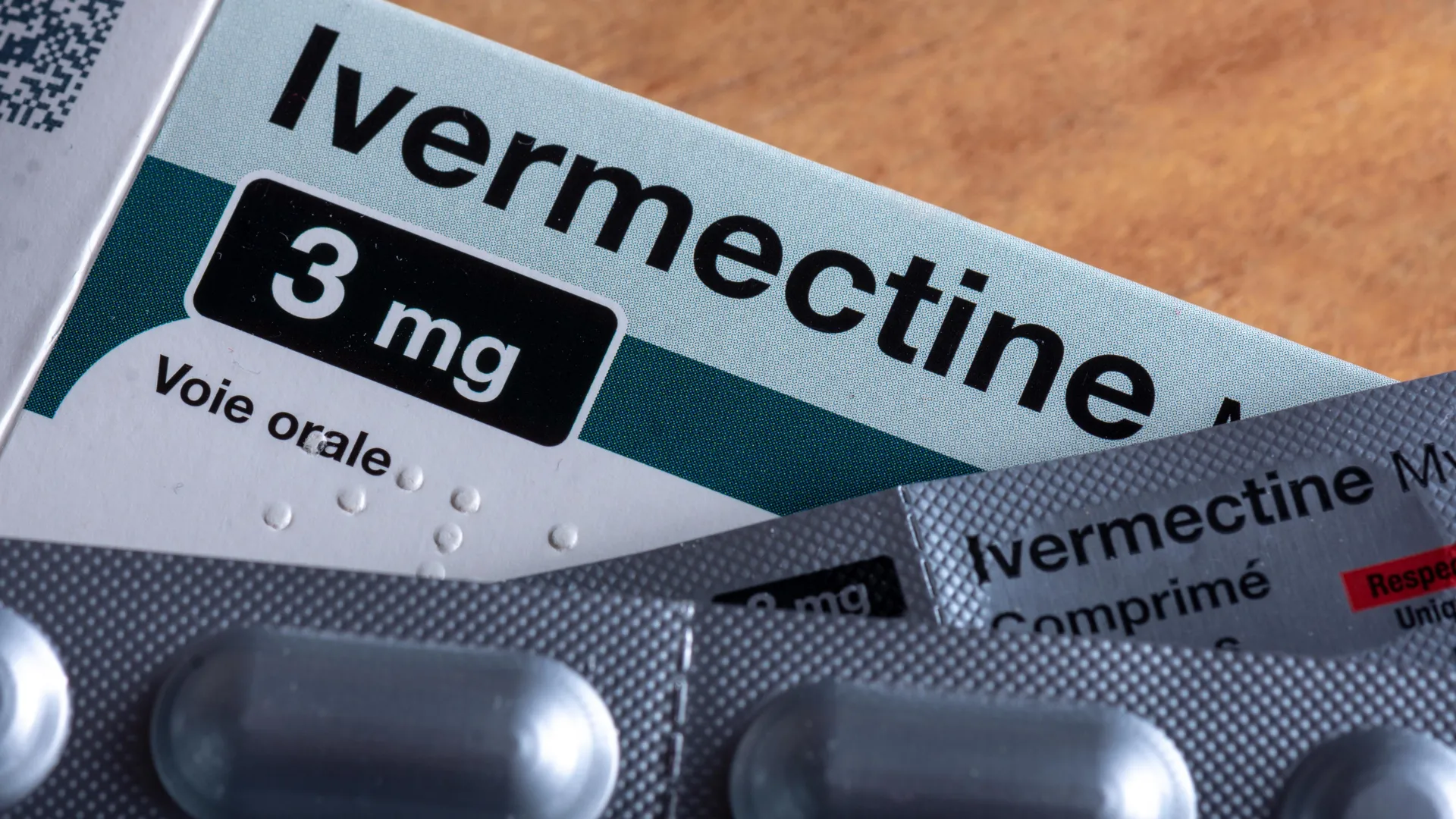
A large-scale clinical study has found that ivermectin, a drug long used to treat parasitic diseases like river blindness and scabies, can significantly reduce malaria transmission when given to entire communities. According to results from the BOHEMIA trial, the mass drug administration (MDA) of ivermectin led to a 26% reduction in new malaria infections, even when used alongside traditional mosquito control measures like insecticidal bed nets.
The study was led by the Barcelona Institute for Global Health (ISGlobal) in collaboration with Manhiça Health Research Centre (CISM) and the KEMRI-Wellcome Trust Research Programme, with funding from Unitaid. Results have been published in the prestigious New England Journal of Medicine.
Malaria remains a major public health challenge globally, with 263 million cases and nearly 600,000 deaths reported in 2023. Resistance to conventional methods such as long-lasting insecticidal nets (LLINs) and indoor residual spraying (IRS) has made it increasingly difficult to control the disease. Mosquitoes have adapted their biting behavior to outdoor environments and hours when bed nets are less effective, calling for innovative solutions.
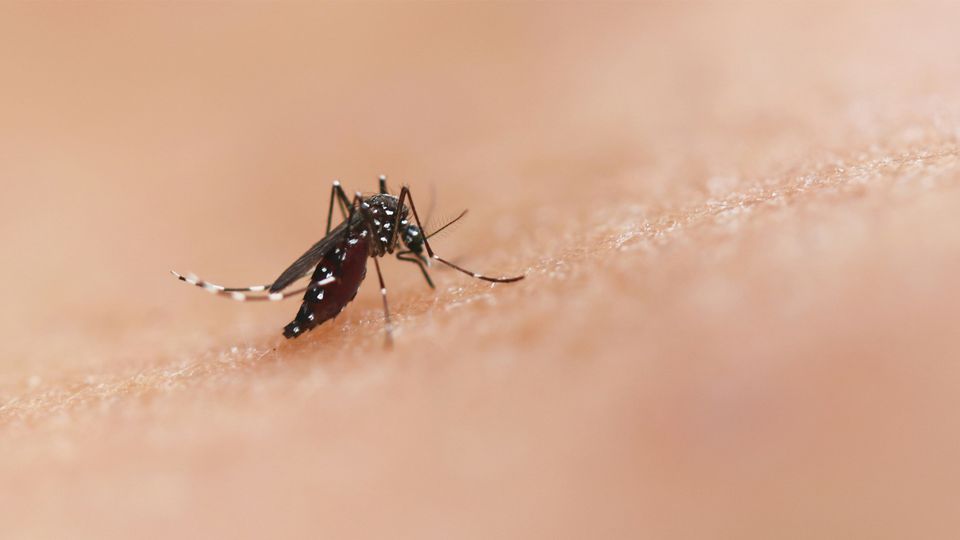
Ivermectin, when ingested, renders human blood toxic to mosquitoes that feed on treated individuals. This mechanism helps reduce mosquito populations and disrupts the transmission of malaria. In the BOHEMIA trial, two MDA trials were conducted: one in Kwale County, Kenya, and the other in Mopeia District, Mozambique—two areas with a high burden of malaria.
In Kenya, the intervention targeted children aged 5 to 15, while in Mozambique, it focused on children under five. In Kwale County, children who received a single monthly dose of ivermectin (400 mcg/kg) for three months during the rainy season experienced a 26% decrease in malaria infection rates compared to those who received albendazole, the control drug used in the study.
The trial enrolled over 20,000 participants and administered more than 56,000 doses, demonstrating not only effectiveness but also a strong safety profile. There were no severe adverse reactions, and only minor, short-term side effects were observed, similar to those seen in other ivermectin campaigns for neglected tropical diseases.
Carlos Chaccour, co-principal investigator of the BOHEMIA project and now a researcher at the Navarra Centre for International Development, expressed optimism: “Ivermectin has shown great promise in reducing malaria transmission and could complement existing control measures. With continued research, it could become a valuable tool in the global fight against malaria and even help achieve elimination goals.”
The findings align with the World Health Organization’s criteria for introducing new vector control tools. WHO’s Vector Control Advisory Group has reviewed the study and recommended further research. National health authorities in the trial regions have also been briefed on the outcomes as they explore potential integration of ivermectin into their malaria control programs.
Experts believe that ivermectin could play a crucial role in regions where mosquito resistance to insecticides is becoming a serious threat. Lead entomologist Marta Maia from the University of Oxford emphasized that ivermectin MDA could serve as a complementary vector control strategy, especially where traditional approaches are faltering.
This research marks a pivotal moment in global malaria strategy, offering a safe, scalable, and innovative intervention that could dramatically reshape how the disease is controlled—especially in Africa, where the burden is heaviest.
Leave a Reply