
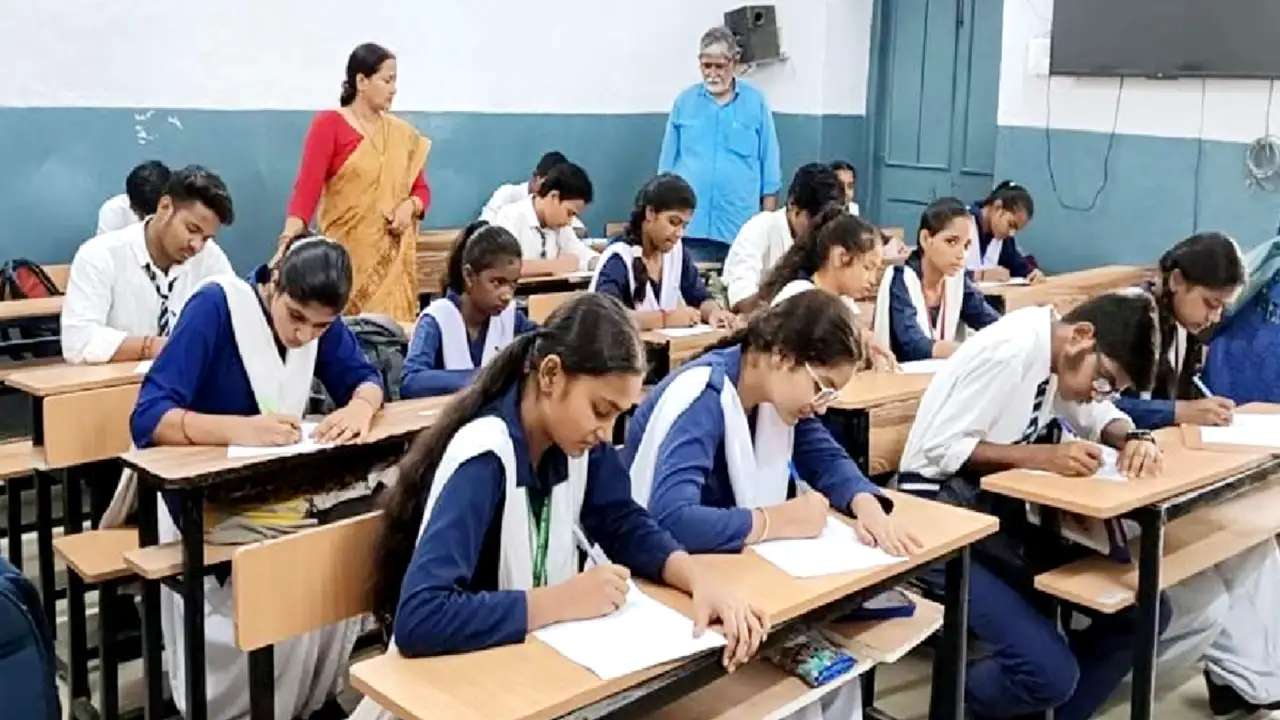
The recent disruption and cancellation of Staff Selection Commission (SSC) exams throughout India have led to significant allegations of corporate interference. What started as confusion regarding logistics has now evolved, with reports indicating that the turmoil was not accidental but intentional.
Sources from within the examination system and center administrators have implicated Tata Consultancy Services (TCS), the previous technology partner for SSC exams. A formal complaint lodged by the head of a prominent exam center claims that TCS officials coerced staff into creating obstacles on the day of the exam.
The complaint states that TCS personnel allegedly directed certain centers to open late, postponed the entry of candidates, and in some instances, advised the centers to remain closed. The intention, as suggested by the complaint, was to instigate widespread disruption and undermine the decentralized examination model recently introduced by the government.
SHIFT IN CONTROL
The government had opted to revamp the centralized exam system, dismantling long-standing vendor monopolies and permitting regional execution of tests. TCS, which had overseen the SSC exams for many years, lost its exclusive contract as a result.
The new system was designed to enhance transparency, expedite processing, and improve oversight. However, the recent disorder, which included reports of missing invigilators, malfunctioning systems, and poor communication, has raised concerns about its implementation.
Nevertheless, internal reports and complaints now assert that the disruptions were not merely due to initial challenges in the new system, but rather due to interference from parties who would be adversely affected by the reforms.
WHAT THE COMPLAINT SAYS
The formal complaint currently under review contains the following allegations:
- Exam staff were instructed to delay or deny entry to candidates.
- Certain centers were advised to either underperform or cease operations entirely.
- Efforts were made to persuade other centers to follow suit.
A senior administrator involved in the situation stated, “The directives originated from individuals identifying themselves as former service partners. They demanded that we create disruption, and when we resisted, they resorted to threats.”
BROADER CONCERNS OVER CORPORATE INFLUENCE
The disruption of the SSC exam is not the first instance where corporate conduct has come under scrutiny. The Tata Group has faced criticism in the past for its response to a passenger assault incident on an Air India flight, where its delayed reaction attracted public backlash.
Although these events are not directly related, some observers feel they highlight a broader issue: the values historically associated with the Tata name, particularly during Ratan Tata’s leadership, are not being maintained with the same level of integrity.
Ratan Tata was recognized for his personal engagement during crises, visiting affected families, and prioritizing ethics over profits. The disparity with recent occurrences has not gone unnoticed. Following the exam disruption, the government has assumed complete control over all forthcoming SSC examinations. It has established additional oversight teams, refined protocols, and initiated a formal investigation into the allegations against TCS.
A senior official from the Department of Personnel and Training (DoPT) remarked, “We are addressing these allegations with the highest level of seriousness. If substantiated, legal repercussions will ensue. Our immediate focus is to ensure that the examination process proceeds without any further interruptions.
PUBLIC TRUST AT STAKE
For countless students taking SSC exams annually, these disruptions represent more than mere administrative errors; they impact careers, livelihoods, and families. The exams are frequently regarded as a pathway to stability for individuals hailing from small towns and humble backgrounds. The recent events have undermined that trust. As investigations proceed, many are now posing more profound inquiries.
How can the government guarantee accountability in public contracts? What safeguards should be in place when large corporations manage public services? And how can future examination processes be protected from sabotage?
As the SSC progresses with reforms, these inquiries will remain pivotal in the discussion regarding corporate involvement in public governance. However, the solutions will necessitate more than just a modification of contracts; they may call for a fundamental reevaluation of accountability in the era of privatized public services.
Leave a Reply