
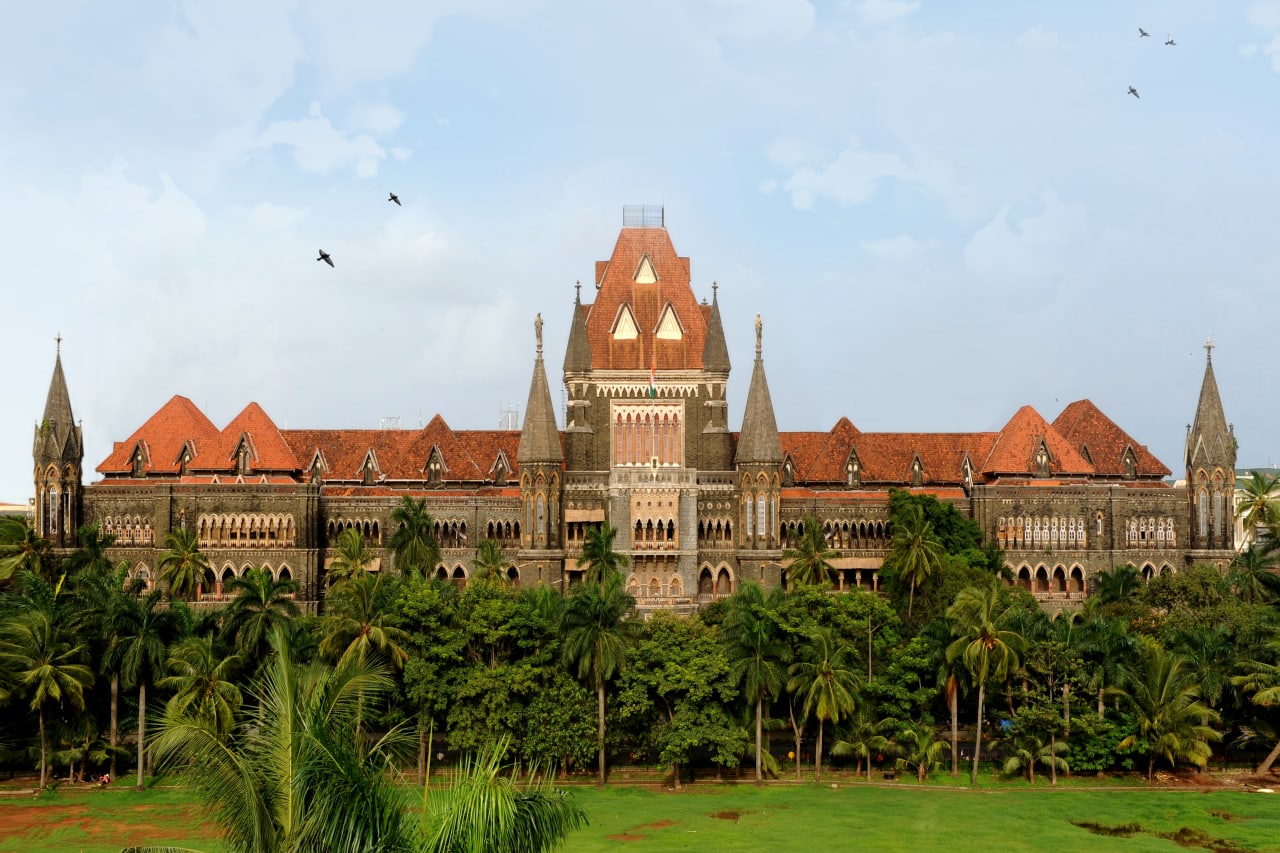
On Thursday, the Bombay High Court rejected a petition that challenged the constitutional validity of various provisions of the strict anti-terror legislation, the Unlawful Activities (Prevention) Act (UAPA).
The division bench, consisting of Justice A.S. Gadkari and Justice Neela Gokhale, upheld the law’s constitutionality, stating that the petition did not succeed in its challenge.
The petition was submitted by Anil Baburao Baile, who received a notice in 2020 related to the Elgaar Parishad case and argued that both the anti-terror law and the now-repealed sedition law were unconstitutional.
Following the notice, Baile approached the Supreme Court to contest the validity of the UAPA. In February, the Supreme Court instructed the High Courts to address petitions questioning various provisions of the anti-terror law.
Additional Solicitor General and attorneys Sandesh Patil and Chintan Shah, representing the anti-terror central agency NIA, opposed the petition, asserting that Baile was merely listed as a witness in the chargesheet and that a challenge to the UAPA’s provisions would only be valid if the petitioner had been adversely affected by them.
“Therefore, without a legitimate cause of action, the current petition questioning the constitutional validity is presented before this Hon’ble Court,” responded the NIA’s counsel.
“A cause of action will only emerge when the provisions of the UAPA Act, once enforced, lead to civil or criminal repercussions for the petitioner. It is a well-established principle that a Writ Court will not address a Constitutional issue in isolation,” the NIA’s counsel further elaborated.
Leave a Reply